
The Algorithm Did Not Bury Your Video, You Just Handed It to One Judge Instead of Seven

You posted a video you were proud of. You waited. The number crawled to 300 views and stopped. And your first instinct was the one everyone has: the algorithm hates me. The algorithm buried it. The algorithm is broken. That story feels good because it takes the outcome out of your hands. But it is the wrong story, and believing it is costing you more than you think. The truth is simpler and a lot more useful. You did not get buried. You submitted your work to a single judge, on a single platform, on a single day, and that one judge said no. Then you walked away as if the verdict was final.
It was not final. It was one opinion. There were six other rooms you could have walked that same video into, each with a different judge, a different crowd, and a different set of rules for what wins. You just never opened those doors. If you are tired of letting one platform decide whether your work gets seen, Multipost Digital can put every video you make in front of every judge at once.
Here is what most creators never internalize. A view is not a measure of your video's quality. A view is a measure of one recommendation system's guess about how a specific slice of its users will react at a specific moment. Change the system, change the users, change the moment, and the same file gets a completely different verdict. So when you let a single platform's response stand in for the worth of your content, you are handing enormous power to a machine that was never trying to be fair to you in the first place.
One Verdict Is Not a Trial
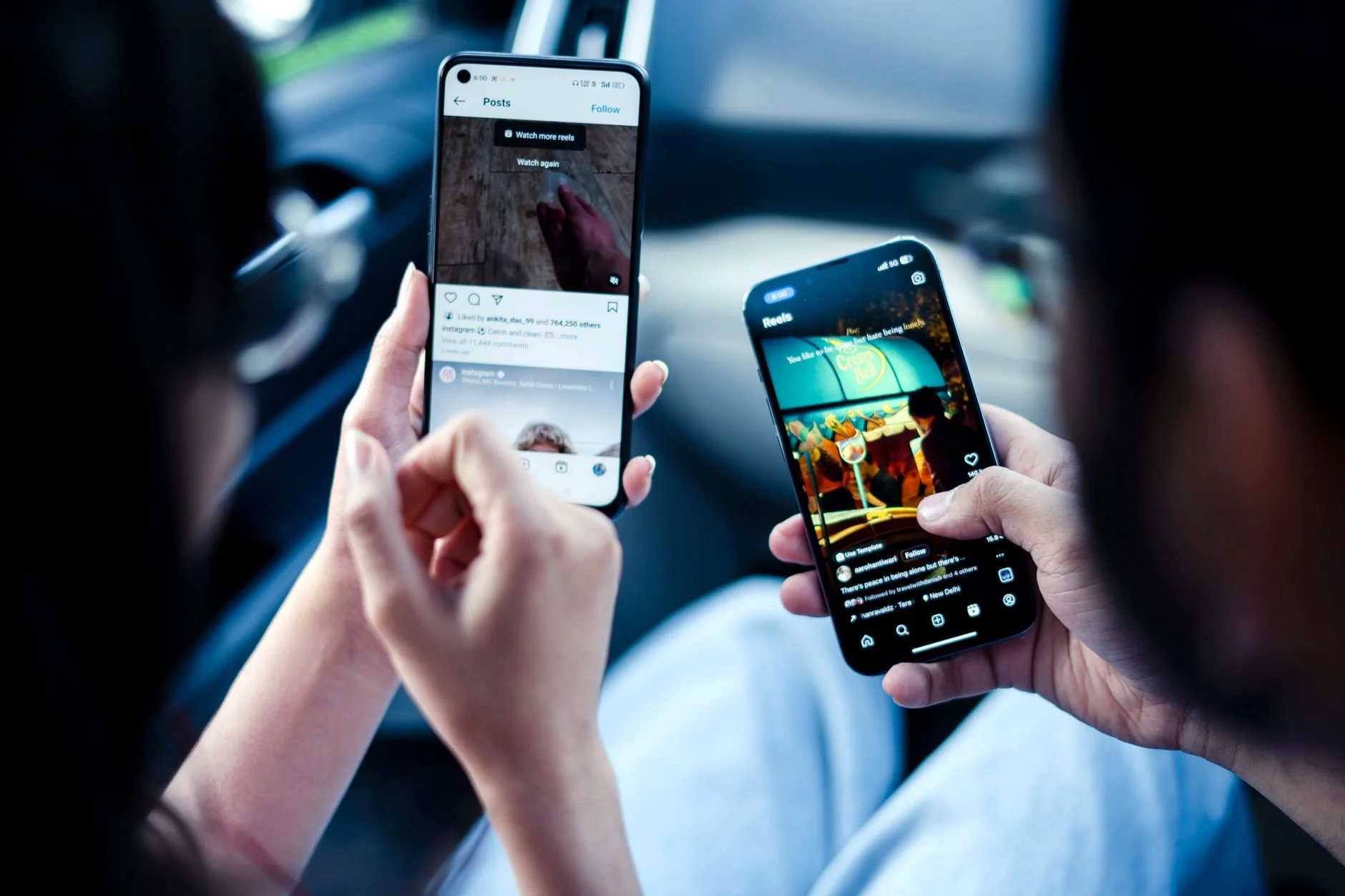
Think about what actually happens when your video underperforms on one app. The system showed it to a small test group. That group did not swipe, comment, rewatch, or share at the rate the system wanted. So the system stopped pushing it. That is the entire event. It is not a statement about whether the video is good. It is not a statement about whether people want it. It is a statement about how one test pool on one platform behaved in the first hour.
Test pools are noisy. The same video can land in a sleepy pool on a Tuesday and a hot pool on a Thursday and get wildly different results with zero change to the content. Creators who only post in one place experience this as randomness and start to believe their own quality swings up and down week to week. It does not. The pool swings. You are just reading pool noise as a report card on yourself.
Now imagine that same video entering seven pools instead of one. TikTok, Instagram Reels, YouTube Shorts, Facebook, Rumble, Reddit, and beyond. Seven independent tests. The odds that all seven sleepy pools reject a genuinely good video on the same day are tiny. Somewhere in those seven, one pool catches. And once one pool catches, that platform's system starts doing the work for you, pushing it wider. You did not need a better video. You needed more than one judge.
The Cost of Taking No for an Answer
The expensive part is not the video that flops. It is what you do next. Most creators take the low number personally, get discouraged, and slow down. Or they overcorrect, chase whatever the one platform seemed to reward last week, and drift away from the content that was actually working. Both reactions come from treating a single platform's feedback as the truth.
When you post across many platforms, the feedback gets honest. You stop guessing whether a video is good and start seeing where it is good. A talking-head clip that dies on TikTok might quietly rack up watch time on YouTube because that audience came in ready to sit still. A punchy fifteen-second hit that Instagram ignores might explode on a subreddit where the topic is the whole community's obsession. You learn that content does not have one destiny. It has a best home, and you only find that home by knocking on every door.
That is the shift. Stop asking is this video good. Start asking where does this video belong. The first question has no reliable answer from one platform. The second question answers itself the moment you distribute widely.
Seven Judges, Seven Rulebooks
The reason multi-platform posting works is not just more chances. It is that the judges are looking for different things. Each platform's system optimizes for a different behavior, so the same file gets read completely differently depending on where it lands.
TikTok rewards fast hooks and rewatches. It will surface a stranger's video to a million people if the first second grabs. YouTube rewards watch time and session retention, so a video that keeps people around gets pushed even if the open is slower. Instagram leans on saves, shares, and existing relationship signals. Facebook favors content that sparks comments and lands in the right groups, and it skews to an audience the other apps barely reach. Rumble surfaces creators the big platforms crowd out. Reddit ignores follower counts entirely and rewards whatever the specific community decides is worth upvoting.
That is not one competition run seven times. It is seven different competitions with seven different winning conditions. Your video has different odds in each. Betting it all on the one where it happened to draw a weak pool is the definition of leaving results on the table. The whole point of showing up everywhere is that you no longer need to predict which competition your video will win. You enter all of them and let the winners reveal themselves.
Why This Feels Impossible and Why It Is Not
Every creator who hears this thinks the same thing. Posting to seven platforms is seven times the work. Different formats, different captions, different aspect ratios, different upload flows, different best-times-to-post, different community rules. Doing it by hand turns one finished video into an afternoon of tedious reposting, and most people quit after the second platform.
That workload is exactly why so many talented creators stay trapped on one app, quietly convinced the algorithm is against them, when the real problem is that they only ever gave themselves one shot. The manual friction is the whole barrier. Remove the friction and the strategy becomes obvious, because nobody would rationally choose one judge over seven if the seven cost the same effort.
If your work deserves more than one verdict, here is exactly how Multipost Digital gets every video onto every platform without adding hours to your week.
Stop Reading Pool Noise as a Report Card
Go back to that video that got 300 views and stopped. It is not dead. It is not proof you are bad at this. It got one no from one judge on one day. That is all it got. The file is still sitting in a folder, still capable of catching in a pool you never entered.
The creators who look like they never miss are not making better videos than you every single time. They are making the same mix of hits and misses everyone makes, but they run each one past seven judges instead of one. So their hits find a home no matter which platform's pool was hot that day, and their misses quietly disappear instead of becoming a story about their worth.
Change the number of judges and you change the game you are playing. One judge is a coin flip you keep losing and taking personally. Seven judges is a system where good work finds its room. Your video was never buried. It was just under-distributed. Fix the distribution and the burying stops.
See how Multipost Digital puts your content in front of every platform at once so the next video you are proud of gets the trial it actually deserves.
