
The Operator's Case for Treating Every Platform Like a Different Storefront
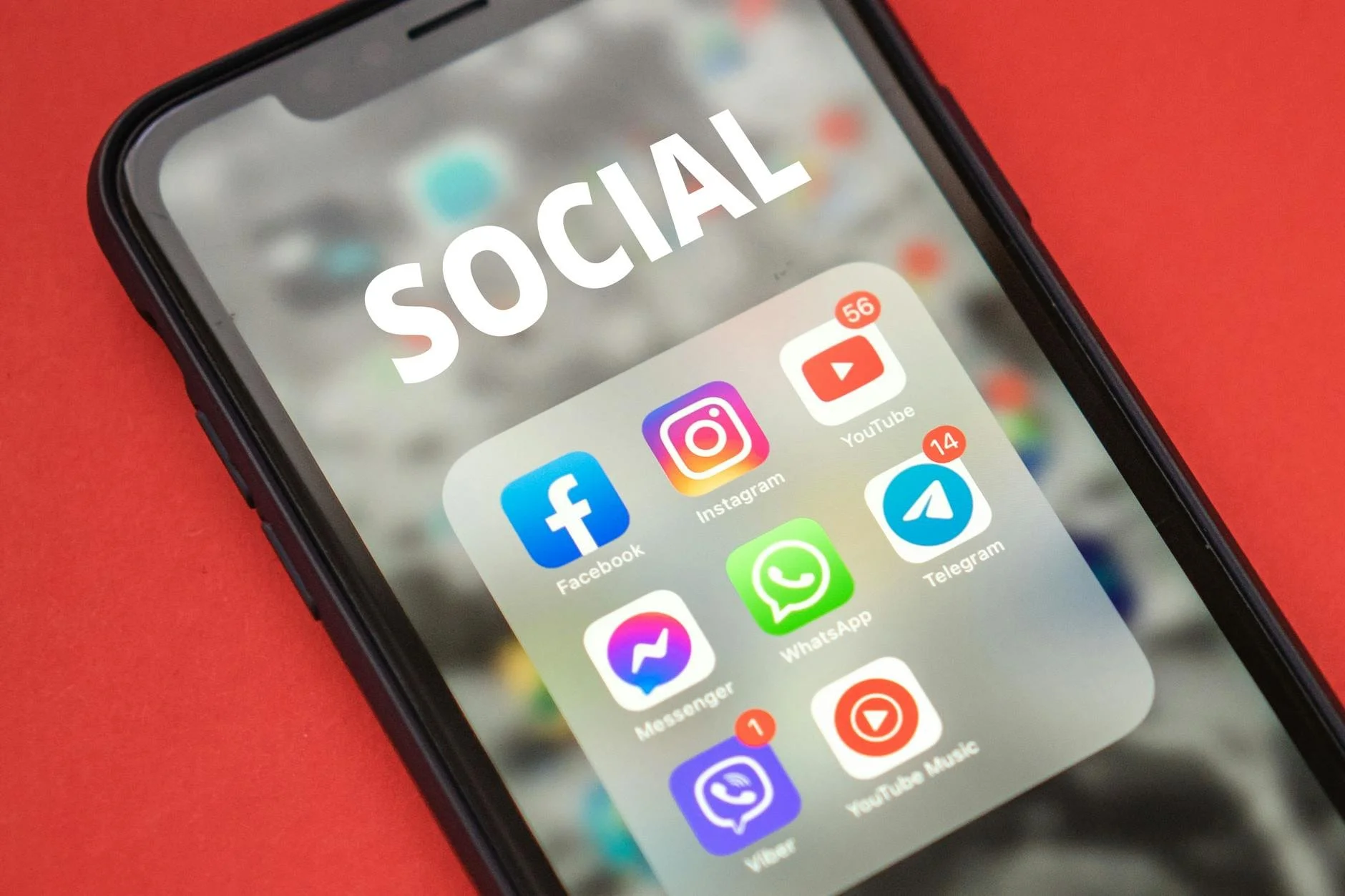
Most creators think of their social media presence as one business with a bunch of identical branches. Same product, same window display, same hours, same staff, same vibe. They post the same content with the same caption to every platform, then wonder why some locations are thriving while others sit empty. The version of this that actually works is closer to how a real operator runs a chain of retail stores. Each location serves a different neighborhood, with different customers, different buying habits, and different expectations. Same brand, different storefront.
The creators who treat every platform like a different storefront grow at completely different rates than the ones who treat all platforms like identical clones of each other. The operator mindset doesn't mean making seven different versions of everything. It means understanding the room you're walking into and adjusting how you present the work, even if the work itself is the same. If you've been running every platform like a copy of the others, Multipost Digital handles the platform-specific adjustments for you so the same content lands correctly in each room.
Let's walk through the operator's case for treating every platform like a different storefront, and why this mindset shift unlocks more growth than any tactical hack.
The Storefront Metaphor And Why It Works
A good retailer who runs multiple locations doesn't just clone the flagship store and drop it everywhere. They study the neighborhood. A store in a city center is laid out differently than a store in a suburb. The hours are different. The staffing is different. The merchandise mix might be different. Some products fly in one location and sit on shelves in another. The operator knows this and runs each location accordingly.
The brand is consistent across all of them. The logo is the same. The core products are the same. The values are the same. But the execution is adapted to the room. That's the difference between a thoughtful operator and a corporate clone-shop that doesn't understand its customers.
Social platforms work the same way. The brand can be consistent. The content can be the same. But the execution, the captions, the framing, the timing, the community engagement, has to be adapted to the room you're walking into. Creators who skip this adaptation are running corporate clone-shops in a market that rewards thoughtful operators.

What Each Platform's Neighborhood Actually Looks Like
Let's actually walk through the neighborhoods. TikTok's neighborhood is fast-paced, entertainment-driven, dominated by short attention spans and rapid trend cycles. The customers there expect hooks within half a second and lose interest if the video doesn't earn its time. Captions are short and punchy. Hashtags are functional. The community is open to discovery and willing to follow new creators based on a single great video.
Instagram's neighborhood is more polished. The customers there are visual-first, more brand-aware, slower to follow new accounts but more likely to engage with content from accounts they already trust. Captions can be longer and more thoughtful. Stories matter. The aesthetic of your profile matters. The community is harder to break into but more loyal once you're in.
YouTube Shorts's neighborhood is search-friendly and patient. The customers came from the broader YouTube ecosystem and they're used to longer attention windows. Descriptions matter for search. Titles need to be optimized for clarity, not just clickability. The community has long-term loyalty patterns that reward consistent posting over months.
Facebook Reels's neighborhood is older and quieter. The customers there are more conservative, more skeptical of trends, but more likely to actually buy from creators they like. Captions can be more conversational. Sharing happens privately. The community values authenticity over polish.
Rumble's neighborhood is alternative-content focused, with a customer base that's specifically looking for content the mainstream platforms aren't serving them. They're tolerant of long-form and reward consistency. The community is smaller but engaged.
Reddit's neighborhood is information-driven, hostile to marketing, and organized by topic-specific communities. The customers are there for substance. They want value. They penalize promotional framing. The community has strong cultural norms that have to be respected.
Each one of these is a different neighborhood. The same content can play in all of them, but how you present it has to shift to fit the room.
The Adaptations That Actually Matter
You don't need to film different videos for different platforms. That's the trap people fall into when they hear "adapt for each platform." The adaptations that actually matter are smaller and more strategic.
Caption tone is the biggest one. The same video can have a punchy six-word caption for TikTok, a slightly longer descriptive caption for Instagram, a search-optimized title for YouTube Shorts, a personal-feeling caption for Facebook, and a substantive contribution to a Reddit thread for that platform. The video doesn't change. The framing does.
Hashtag strategy is another. TikTok uses hashtags differently than Instagram, which uses them differently than YouTube. The right hashtags on the right platform can multiply your discovery. The wrong ones can hurt your reach. This is platform-specific knowledge that doesn't require redoing your content.
Posting time is another. Each platform's audience is active at different times. The optimal posting window on TikTok is different from the optimal window on Facebook, which is different from the optimal window on Instagram. Posting at the right time per platform makes a measurable difference in first-hour performance, which influences everything downstream.
Community engagement is another. Replying to comments matters more on some platforms than others. Joining conversations in Reddit threads is mandatory in a way that joining conversations on TikTok isn't. The work of being present in each neighborhood is different.
The Tools That Make This Realistic
Doing all these adaptations manually across seven platforms every time you post is exhausting and most creators eventually quit. The version of this strategy that actually sticks long-term is the version where most of the adaptation is handled by a system. You set the rules once. You define the captioning conventions for each platform. You set the hashtag strategy. You define the posting times. Then the system handles applying those rules to every piece of content you make.
This is what professional operators do for retail chains. They don't have the corporate office manager personally deciding what to put on the shelf in each store every day. They have systems and processes that handle the per-location adaptation automatically, with the operator stepping in only when something needs strategic adjustment. Multipost Digital is the equivalent system for content distribution, turning the per-platform adaptation work from manual labor into automated execution.
The creators who try to do this manually burn out within months. The creators who systematize it run cross-platform operations indefinitely with the same energy they used to spend on just one platform.
The Brand Consistency Question
A natural worry with this approach is that adapting per platform might dilute your brand. If every platform sees a slightly different version of you, do they end up not knowing who you really are?
This worry is the wrong way around. The brand is the underlying voice, values, perspective, and personality. That stays consistent across every platform. The adaptations are just how that brand presents itself in different contexts, the same way a person speaks slightly differently at a job interview than at a barbecue. They're still the same person. They just know how to read the room.
Strong brands are platform-agnostic at the core but platform-aware in delivery. Weak brands are either inflexibly identical everywhere or inconsistent in ways that confuse their audience. The strong brand reads each room and stays itself in each one. The weak brand either refuses to read the room or loses its identity trying to fit in.
You can adapt for each platform without compromising your brand. The creators who do this well end up with a stronger brand presence than the creators who post identical content everywhere, because the audience can feel the thoughtfulness in the execution.
The Long Term Compound Of The Operator Mindset
Over months and years, the operator mindset compounds in ways that the clone-shop mindset can't. Each platform becomes a real channel with a real audience that genuinely engages, because you've earned that engagement by treating the platform like a place that matters. Your community on each platform feels seen, not pasted-onto.
This builds the kind of multi-platform loyalty that survives algorithm changes, platform shifts, and demographic moves. When TikTok softens, your Instagram audience is still strong because you actually invested in being on Instagram instead of just dumping TikTok content there. When Instagram shifts, your YouTube audience holds because you built it properly. When Facebook surprises you with reach you didn't expect, you have an audience there ready to receive it.
The operator mindset is also what attracts business partners and brand deals. Brands that work with creators on multi-platform campaigns can immediately tell the difference between a creator who treats every platform like a clone and one who runs them like distinct storefronts. The thoughtful operator gets the bigger deal every time.
The Mindset Shift Worth Making
Stop thinking about your social media as one thing. Start thinking about it as a portfolio of distinct channels, each with its own customer base, its own culture, and its own way of rewarding effort. Some channels will produce more growth than others. Some will produce more revenue. Some will produce more brand equity. All of them will serve a purpose if you treat them like they matter.
The clone-shop creator runs one strategy and hopes it works on every platform. The operator creator runs seven coordinated strategies that share a core brand but adapt to the room. The growth gap between these two approaches widens every quarter, and after a couple of years, it's not even close. Multipost Digital is what makes the operator approach feasible at scale so you can run all seven storefronts without burning out trying to manually manage each one.
Treat every platform like a different storefront. Same brand, different room. That's the model that builds multi-platform creator businesses that actually last.
