
The Real Reason Your Reach Dropped Overnight
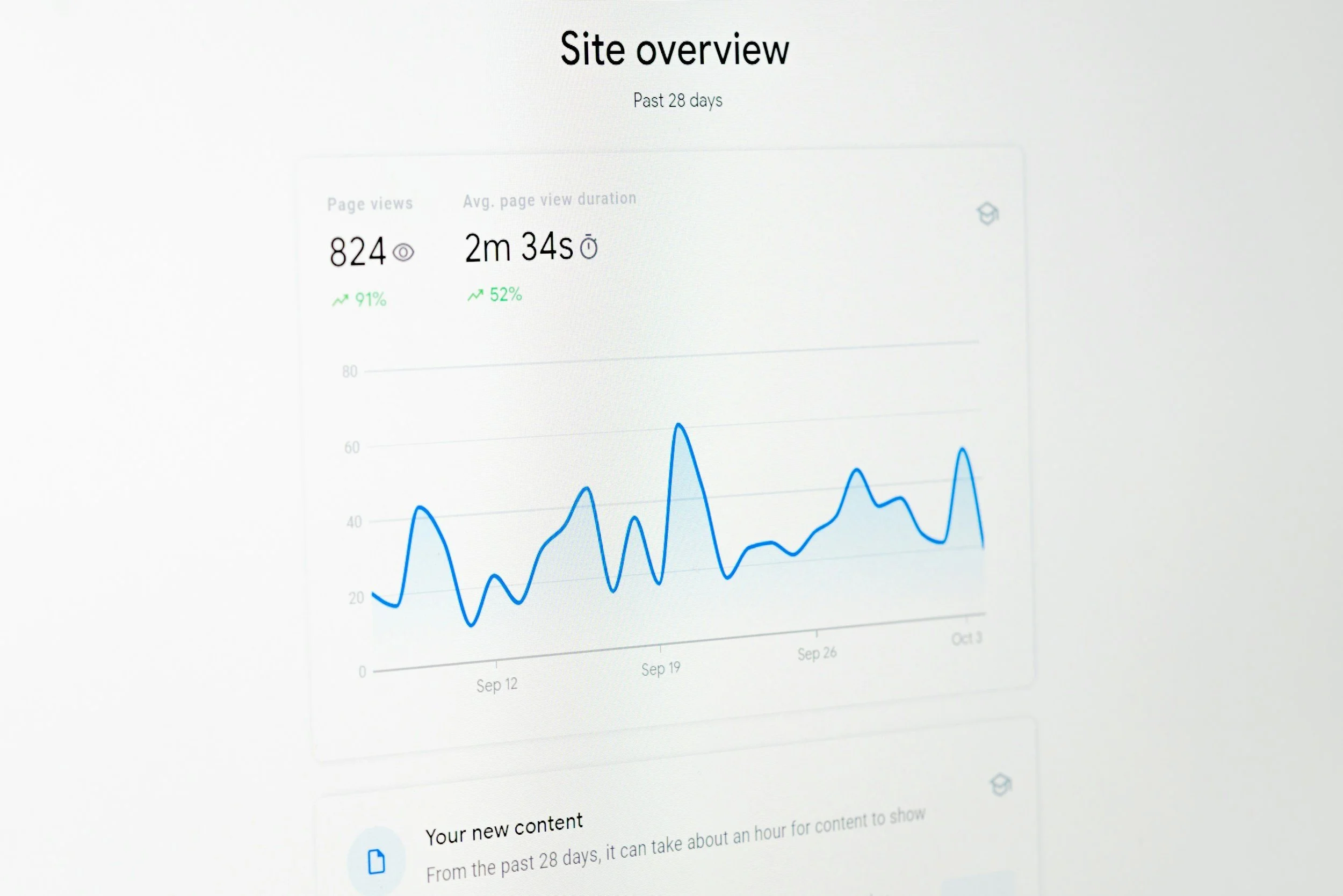
You woke up, checked your analytics, and felt that sharp jolt of panic.
Views down.
Reach cut in half.
Engagement quieter than it has been in months.
Nothing changed on your end. You posted like usual. Same quality. Same consistency. Same effort.
So why did it feel like the algorithm flipped a switch overnight?
Here is the uncomfortable truth.
Your reach did not drop because your content failed.
It dropped because the system evaluating your content changed faster than you did.
At Multipost Digital, we see this moment hit brands all the time. Smart creators assume reach drops are personal. They are not. They are structural.
This blog will walk you through what actually happened, why it feels sudden, and how to fix it before you spiral into bad decisions that make things worse.
If you want help diagnosing your reach drop and correcting it before momentum dies, you can start here: Work with us
Why Overnight Drops Feel So Personal But Rarely Are
Reach drops hit harder than slow declines.
When numbers slide gradually, your brain rationalizes it. Seasonality. Timing. Audience fatigue.
Overnight drops feel like punishment.
They trigger the worst instincts. Posting more. Changing everything. Chasing trends. Second guessing every caption.
That reaction is understandable. It is also exactly what hurts you next.
Algorithms do not work emotionally. They work mechanically. Sudden drops almost always come from one of three shifts: behavior, competition, or evaluation criteria.
None of those have anything to do with your worth as a creator.
The Algorithm Did Not Turn On You It Recalibrated
One of the biggest myths in social media is that the algorithm randomly decides who wins.
It does not.
Platforms constantly recalibrate what they reward based on user behavior. When people change how they consume content, the algorithm follows them.
That recalibration does not happen gradually. It happens in updates, tests, and quiet rollouts.
When that switch flips, content that once performed well can suddenly stall.
Not because it is bad. Because it is no longer aligned with the new priority.
The Shift Most Creators Miss Until It Hurts
Here is the shift that causes most overnight reach drops.
Platforms stopped prioritizing distribution and started prioritizing retention.
Reach used to be about how many people your content touched.
Now it is about how long people stay once it appears.
If your content gets quick reactions but shallow attention, the system learns fast.
If people scroll past faster than before, even without realizing it, your reach contracts.
This is why nothing looks wrong from your perspective. But everything looks wrong from the platform’s perspective.

Why Your Content Was Fine Yesterday And Struggles Today
This is the most confusing part.
You did nothing different.
But your audience did.
Attention spans shortened. Scrolling sped up. Expectations changed. Competition increased.
What felt engaging three months ago now feels familiar. Familiar content gets skipped faster than new ideas.
The algorithm measures that skip speed ruthlessly.
A half second less pause.
A shorter watch time.
One less rewatch.
That is all it takes for distribution to tighten.
Why Reach Drops Usually Start Before You Notice
Here is something most dashboards hide.
Reach usually starts declining before the visible crash.
Small drops in retention compound quietly. The system tests your content on fewer people. When it underperforms, it tests less.
By the time you notice, the algorithm already decided your content is not holding attention like it used to.
This is why panic posting does not fix it. You are responding late.
The solution is not volume. It is recalibration.
The Hidden Role Of Competition In Overnight Drops
Another factor most creators underestimate is this.
Your reach is not evaluated in isolation.
It is evaluated relative to everything else competing for the same attention.
If more creators enter your niche.
If trends shift toward new formats.
If your audience finds fresh voices.
Your content now has to outperform more alternatives to earn the same distribution.
Even if your quality stayed the same, the bar moved.
That feels unfair. It is also unavoidable.
Why Posting More Often Makes It Worse
When reach drops, most people react by posting more.
This is one of the fastest ways to dig the hole deeper.
Posting more low performing content sends a clear signal. Your content is not holding attention consistently.
The algorithm does not see effort. It sees outcomes.
More posts with weak retention accelerate suppression.
The fix is fewer, sharper posts that retrain the system.
What The Algorithm Is Measuring Right Now
If you want to recover reach, you need to optimize for what platforms currently care about.
That includes:
Scroll stopping speed
Watch time and completion
Saves and shares
Replays and revisits
Whether viewers return to your profile
Likes matter less than ever. Comments matter selectively. Behavior matters most.
If your content does not create friction in the scroll, it does not travel.
Why Hooks Are The First Thing To Audit
Most reach drops trace back to one thing.
Your hook stopped working.
Hooks expire faster than any other part of content. What once felt fresh now blends in.
If your opening line, visual, or first three seconds do not create immediate curiosity or tension, your post loses the battle before it begins.
The algorithm does not give you grace. It gives you milliseconds.
Reworking hooks alone often restores reach faster than any other change.
How To Rebuild Reach Without Chasing Trends
Trends can help. Blind trend chasing hurts.
The goal is not to copy what is viral. It is to understand why something holds attention.
Strong content right now shares common traits:
Fast clarity
Emotional relevance
Clear payoff
Minimal fluff
Structural tension
When you rebuild content around those principles, reach stabilizes again.
If you want us to rebuild your content system so reach stops feeling random, you can start here: See how we work
Why Silence Does Not Mean Failure
Here is a mindset shift that saves brands.
Quiet does not equal broken.
Sometimes reach drops because your audience is maturing. Casual viewers leave. Intentional followers stay.
Those followers save more. Share more. Buy more.
Platforms notice that too.
The danger is mistaking silence for rejection and overcorrecting.
How We Diagnose Reach Drops At Multipost Digital
When clients come to us after an overnight drop, we do not guess.
We audit:
Retention patterns
Hook effectiveness
Posting cadence
Competitive landscape
Audience behavior shifts
We rebuild structure first. Then frequency. Then distribution.
Reach returns when alignment returns.
Not when panic does.

The Real Reason Most Brands Never Recover Reach
This is the hard truth.
Most brands never recover reach because they blame the wrong thing.
They blame the platform.
They blame shadowbans.
They blame timing.
They blame luck.
They never fix structure.
Algorithms do not punish randomly. They reward alignment relentlessly.
What To Do Next If Your Reach Dropped Overnight
Do not post more.
Do not scrap your strategy.
Do not chase every new format.
Audit. Adjust. Simplify. Sharpen.
Fix hooks. Improve retention. Respect attention.
That is how reach comes back.
If you want a clear plan to recover and future proof your reach, start here: Work with Multipost Digital
The Bottom Line
Your reach did not vanish.
It responded.
To behavior shifts. To competition. To new priorities.
When you understand that, reach stops feeling like a mystery and starts feeling like a system again.
The drop was the signal.
What you do next decides whether it was a setback or a reset.
