
The Photographer You Paid Delivered Sixty Photos And You Posted Four

The gallery link came through on a Tuesday. Sixty edited images, color graded, retouched, exactly what you asked for. You scrolled the whole set twice, felt good about the money, and picked four favorites.
One went up as a post. One went in your bio. One went on the website header. One went to a client who asked for something. The other fifty six are still sitting in a Dropbox folder you have not opened since spring.
You did not overpay the photographer. You underused the delivery. Sixty professional images is somewhere between three and six months of published content, and you treated it like a single post with fifty six spare tires.
You Bought Inventory And Behaved Like You Bought A Post
There is a mental habit here worth naming. When you commission photos, your brain files the shoot as one event. One day, one invoice, one decision, done. So the output gets treated like one thing, and one thing gets posted once.
But you did not buy an event. You bought sixty independent assets, each of which is a complete piece of content on its own. The shoot was the manufacturing. What you have now is stock, and stock sitting in a folder is money that has already been spent and is currently earning zero.
A retailer who ordered sixty units and put four on the shelf would notice immediately. It is the same situation. The only reason it does not feel that way is that digital inventory does not take up floor space, so nobody walks past it and asks why it is not selling.

Sixty Photos Is Not Sixty Posts, It Is Four Hundred
Now multiply properly. Say you use forty of the sixty, because some are near duplicates and some just did not land. Forty posts is already ten times what you published.
Post each of those to one platform and you have forty pieces of published content. Post each across TikTok, YouTube, Instagram Reels, Facebook, Rumble, Reddit and the rest, and the same forty images become nearly three hundred published placements in front of seven distinct audiences.
The production cost does not move. You paid the photographer once. There is no second invoice for the fortieth photo, and no third invoice for putting it on Facebook. The entire cost structure of that shoot was front loaded, and every additional placement drives the effective cost per impression toward zero.
Divide the invoice by four and the shoot looks expensive. Divide it by three hundred and the shoot was the cheapest marketing you did all year.
Photos Do Work That Video Cannot
Some people will read this and think photos are the weak format, that everything is video now. Partly true, and irrelevant.
Photos load instantly, which matters in feeds where people are on bad connections. They work as thumbnails, as carousel slides, as backgrounds for text posts, as pinned images on platforms that still favor stills. A strong image can anchor a written post on Reddit or Facebook where a video would feel like an ad and get scrolled past.
They also age better. A well shot photo of your product, your team or your space looks current for years. Video ages fast because editing styles, captions and audio trends date it in months. That folder of sixty images is a durable asset in a way most of your video library is not.
And they slot into gaps. Every posting schedule has days where you have nothing filmed and no energy to film. A folder of unused professional images is the difference between a quiet week and a consistent one.
The Same Photo Is A Different Post In A Different Feed
Here is the part that makes this compound. One image is not one idea. It is one visual attached to whatever idea you write around it.
The photo of your workspace can be a post about how you got started, a post about a process detail nobody asks about, a post about why the space looks the way it does, or a post about what you would do differently. Same file, four completely different pieces of content, four different hooks, four different audiences responding.
Do that across seven platforms and the arithmetic gets ridiculous fast. Nobody is following you on all seven. The person who sees it on Facebook is not the person who sees it on Reddit. What feels repetitive to you, because you are the one looking at your own folder, is a first impression to almost everyone who encounters it.
Creators consistently underestimate this because they experience their content from inside the archive. Your audience experiences it one post at a time, in one feed, weeks apart.
Why The Other Fifty Six Never Went Anywhere
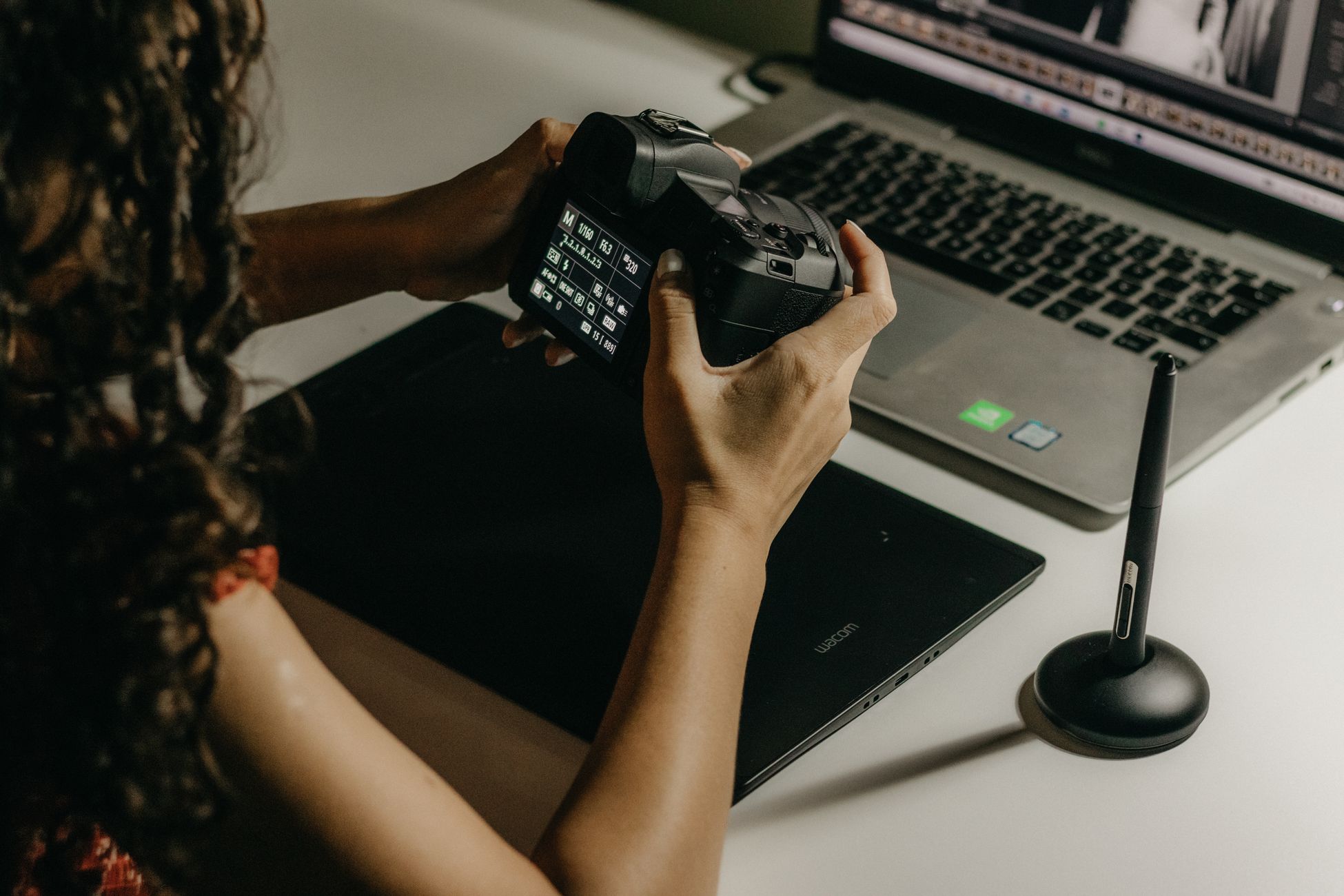
The honest reason is not that the photos were bad. It is that publishing one photo well takes longer than it should.
Pick the image, crop it for the platform, crop it again for the platform that wants square, write a caption, decide on hashtags, remember which account has the login problem, upload, repeat. Ten minutes per platform if nothing goes wrong. For one photo. You have fifty six of them.
At that rate, using the full gallery across seven platforms is around sixty hours of clerical work. Nobody does sixty hours of clerical work. So four photos get posted, the folder goes cold, and next year you book another shoot and do it again.
The pattern repeats because the bottleneck was never creative. You have never once been short of good images. You have been short of a way to publish them without spending your week doing it by hand.
The Buyer Needs To See You More Than Once
There is a second reason the folder matters. Almost nobody buys from the first thing they see. They see you, forget you, see you again three weeks later, half remember the name, and on the fifth or sixth encounter they finally look you up.
Four posts a year does not produce five encounters. Three hundred placements across seven platforms does, and it does it with images you already own. The repetition is not vanity, it is how recognition gets built, and recognition is what makes someone click the link instead of scrolling past it again.
That is the quiet cost of the unopened folder. It is not just fifty six missing posts. It is every buyer who needed six impressions to trust you and only ever got one.
Treat Every Shoot Like Inventory From Now On
Change what happens after the gallery arrives. Instead of picking favorites, sort the whole set into a publishing queue. Any image you would not be embarrassed to post goes in. Ruthless curation is for a portfolio, not for a feed that eats content daily.
Then let that queue feed every platform on a schedule, so the shoot you paid for in March is still working in August. When the queue runs low, book the next shoot. That is a content operation, and it costs the same as what you are doing now except it produces fifty times the output.
The photographer already did their job. Sixty images, delivered, paid for. The only remaining question is whether they get seen.
Post Once, Land Everywhere
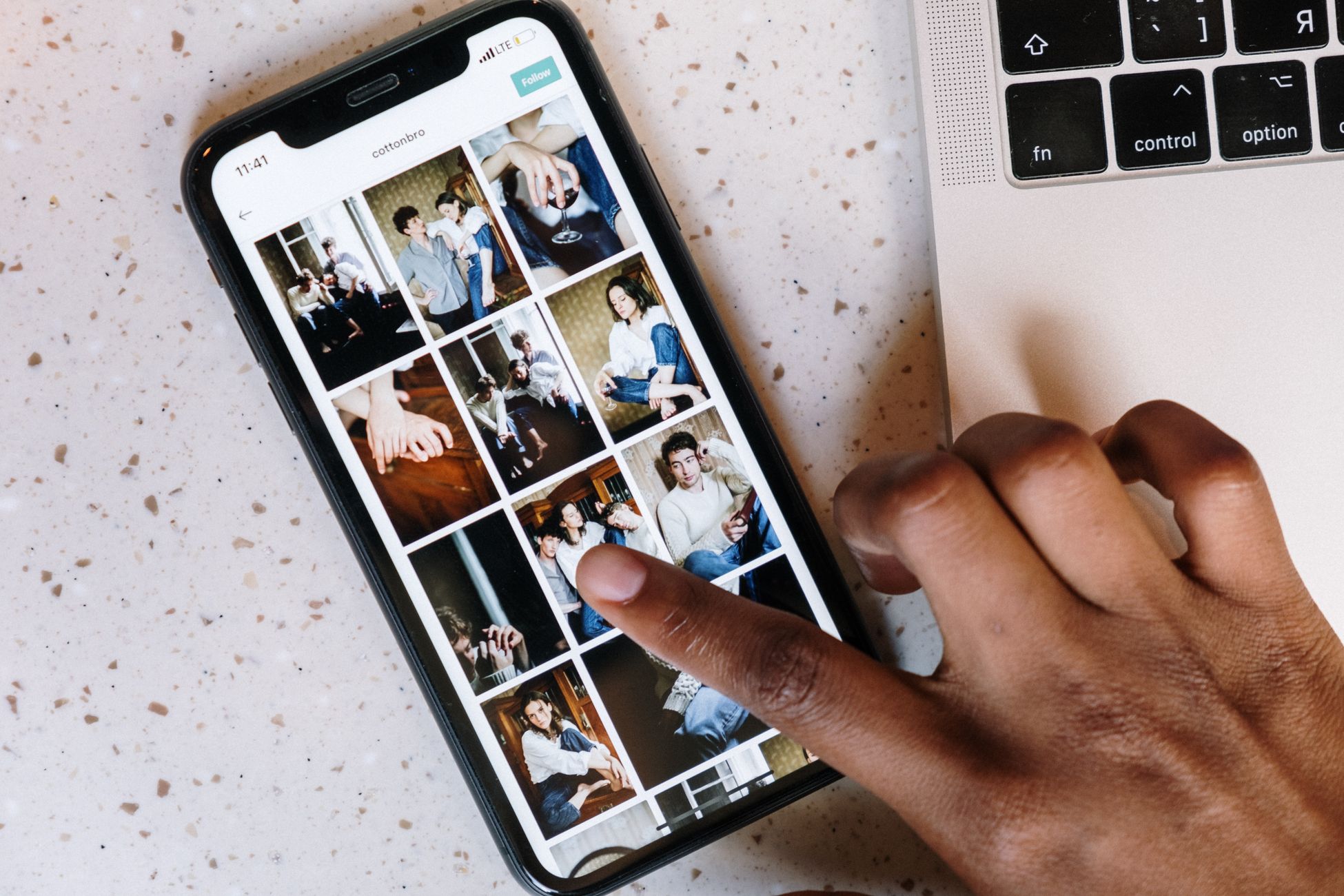
Multipost Digital pushes your content across 7 or more platforms so a single shoot turns into months of published work in every feed your buyers use, without you cropping and captioning the same photo seven times.
You have a folder full of paid for marketing sitting at zero percent utilization. Open it.
