
You Sponsor The Little League Team And Nobody Online Knows
Your logo is on the back of twelve jerseys. It is on a banner along the outfield fence. You wrote the check in March, somebody sent you a thank-you card, and a parent mentioned it once at the counter. That is the whole return on the sponsorship as far as you can tell.
Here is the part that should bother you. The people at that field on a Saturday morning are exactly the people you want as customers. Local families with houses, cars, kids, and money to spend with a business they trust. You paid to be in front of them for one season. Then you let the whole thing live in the parking lot and nowhere else.
Every sponsorship, donation, and community thing you do is content. Not because it makes you look generous, though it does. Because it is proof that you are a real business run by real people in a real place, which is the exact thing strangers online are trying to figure out before they call you.
The Sponsorship Was Never The Point
Nobody sponsors a youth team for the banner. You do it because you live here, your kid plays, or a customer asked. The check is a relationship move, not a media buy.
But the moment the check clears, you own a story that most businesses never get to tell. You are the company that shows up for the town. That story does not need a budget. It needs a phone, ten minutes on a Saturday, and somewhere to post.
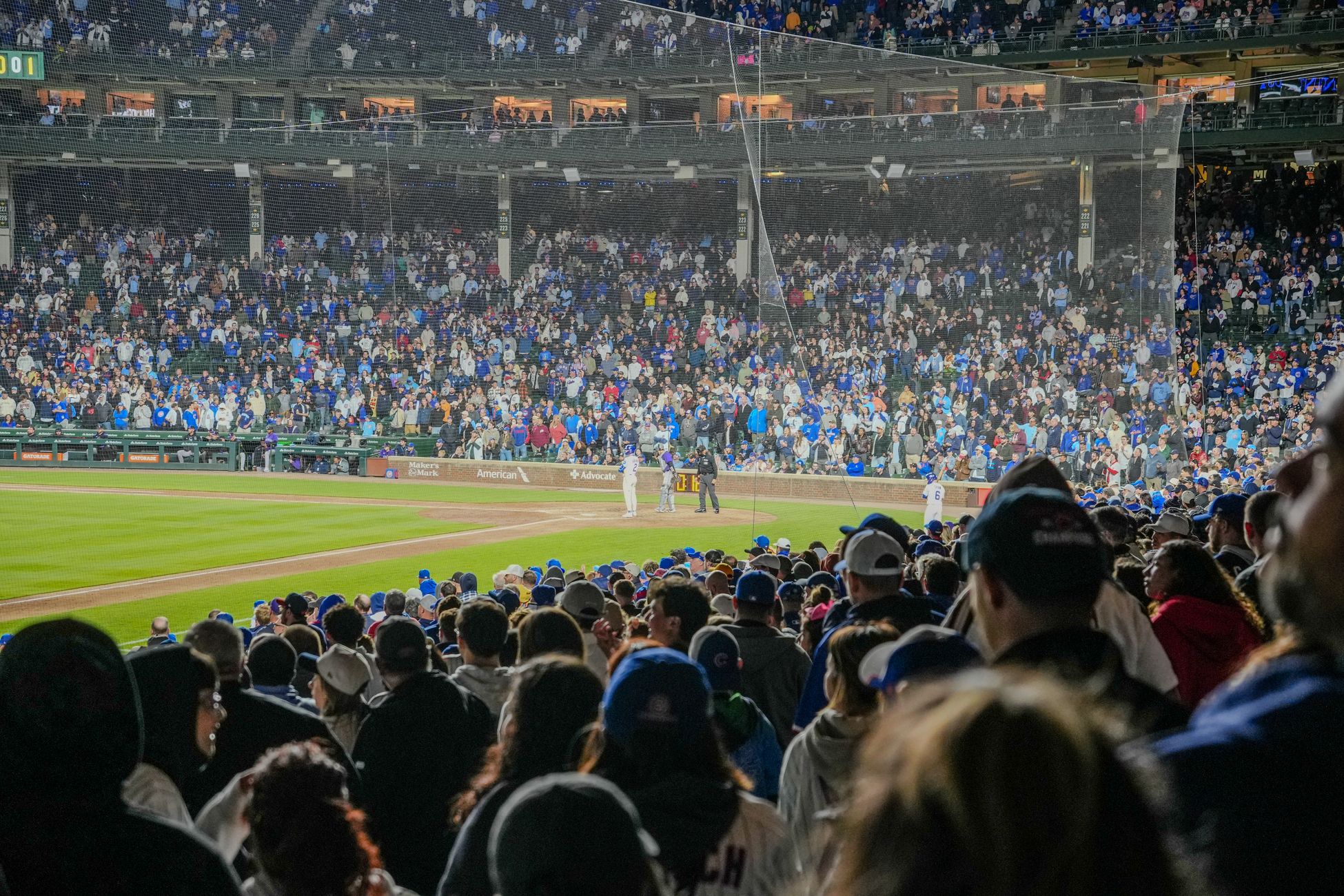
What most owners do instead is nothing. The season runs, the banner fades, the jerseys go in a drawer, and the only people who ever connected your name to that team were the ones standing on the grass. That is a room of maybe two hundred people. Your feeds can reach that many in an hour if the content is any good.

What A Saturday Morning Is Worth
Walk through what is sitting at that field, waiting to be filmed.
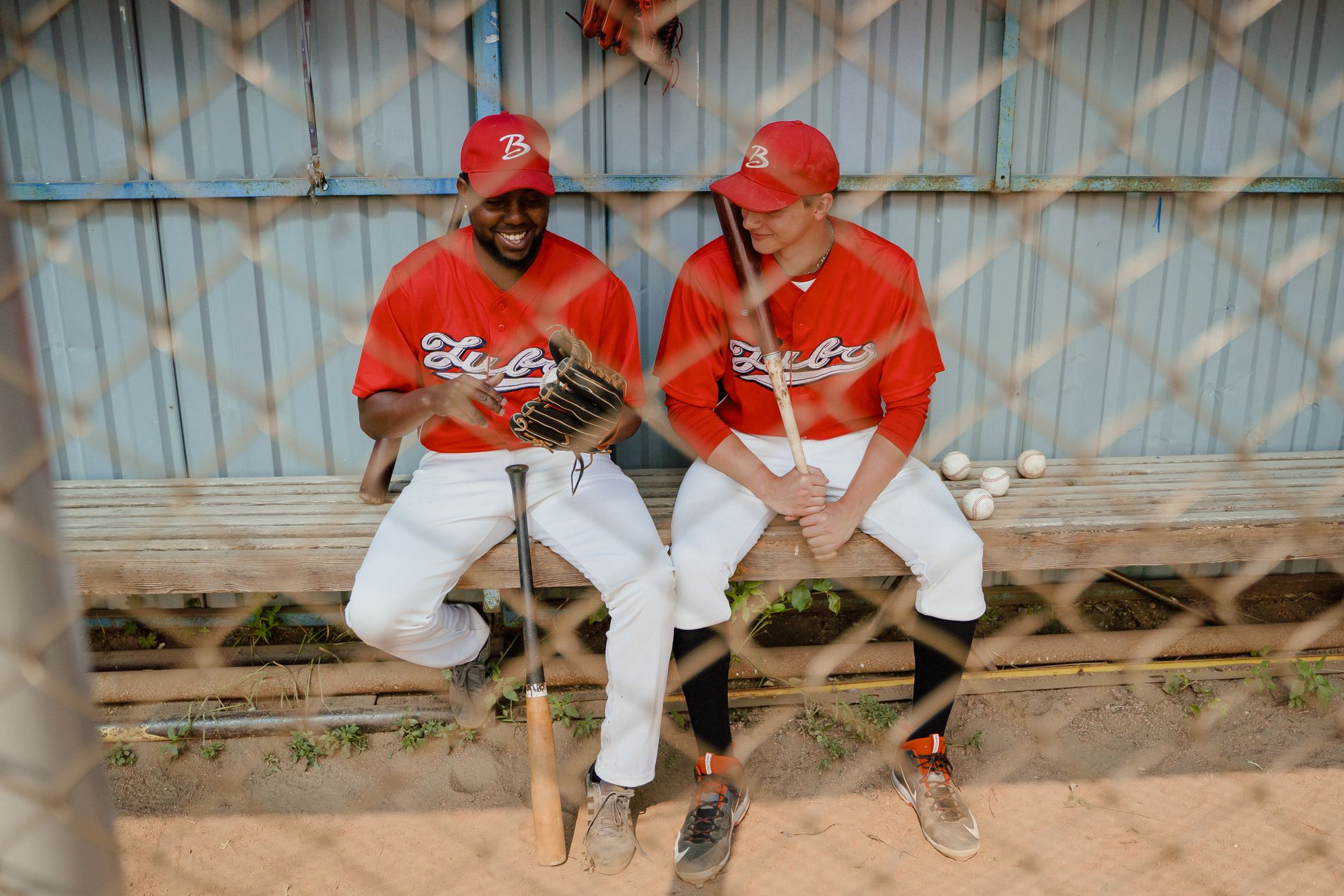
The banner with your logo on it, wind in the background, kids warming up in front of it. The coach thanking sponsors over the PA before the first pitch. A parent in your branded hoodie. The team photo where every kid is wearing your name. The moment your own kid, if you have one out there, gets a hit.
That is a month of posts from one morning. A short clip of the banner. A photo carousel of the team. A quick video of you at the fence explaining why you sponsor them, thirty seconds, no script. A season wrap-up post with the final record. A thank-you to the parents. A clip at the end-of-season pizza party.
None of this requires you to be good on camera. It requires you to point the phone at something that is already happening and press record.
One Feed Is Still The Parking Lot
Say you do film it. Say you post the team photo on Instagram and get forty likes from people who already follow you. That is better than nothing, but it is the parking lot again, just a slightly bigger one.
The parents at that field are on Facebook, not Instagram. They are in the town group, the school group, the youth sports group. That is where a photo of their kid in your jersey gets shared, tagged, and commented on by grandparents. That is where the post actually travels.
The same clip on YouTube shows up when somebody searches the league name or the town name six months from now. On TikTok it reaches people two towns over who had no idea you existed. On Reddit, in the local subreddit, a post about supporting youth sports gets a different kind of attention, the kind where people ask what you do and somebody else answers for you.
You do not know which of those feeds your next customer is scrolling. Posting to one of them is a guess. Posting to all of them is coverage.
Why This Content Outperforms Your Product Posts
Look at your own feed and find the post with the most comments. It is almost never the one about your service. It is the one with a person in it, a moment, something local.
Community content works because it is not selling. A photo of a team you sponsor asks nothing of the viewer. So they engage, they share, they tag the coach. That engagement tells every platform this account is worth showing to more people, and the next post, which might be the one about your service, gets carried further because of it.
It also does something your ads cannot. It makes you specific. There are forty businesses in your category within driving distance. Only one of them is on the fence at the Tuesday night game. When the parent who saw that banner needs what you sell, the tie-breaker is already decided.
The Twelve Month Version
A sponsorship is a season. Content from it does not have to be.
The opening day post runs in April. The mid-season clip runs in June. The championship or the last game runs in July. The pizza party runs in August. Then next spring, the sign-up post reminds everyone you are doing it again. The jersey from last year shows up in a throwback post. The kid who aged out of the league comes into your shop and you film a thirty-second reunion.
Across six or seven platforms, that is dozens of posts from one check you already wrote. The banner cost you a few hundred dollars. The content costs you nothing except the habit of pointing a phone at it.
And it compounds. Year two, people already associate your name with the team. Year three, parents from the other teams start asking if you would sponsor theirs. That is not marketing spend. That is reputation you built on camera.
What Stops People
The honest reason most owners never post this stuff is not that they did not think of it. It is that posting anything anywhere is enough of a chore that a nice-to-have like a team photo never makes the cut.
You would have to crop it for one app and trim it for another. Write six captions. Log in to accounts you have not opened since spring. By the time you think about it, the game was two weeks ago and it feels stale.
It is not stale. A photo of a kids' team is not time-sensitive on YouTube or Facebook. But the friction is real, and friction is why the banner stays in the parking lot.
Remove the friction and the math changes completely. When one clip goes to every platform in a single step, filming the Saturday game stops being a project and becomes a reflex. You shoot it, it goes everywhere, and by the time you are home the town group is already sharing it.

You Already Did The Hard Part
You showed up. You wrote the check. You put your name on the fence in front of the people you most want to serve. That is the part that takes money and years and goodwill, and it is done.
The part you skipped is the part that takes ten minutes. Film what is already happening, post it, and let every platform carry the story to the people who were not at the field.
Multipost Digital takes the content you make and publishes it across 7 or more platforms, so the community work you are already doing reaches the whole community instead of the two hundred people standing on the grass.
