
You're Not Shadowbanned, You're Just Posting on the Wrong Platform

Let's be real for a second. You've been posting consistently. You've been using hashtags, writing captions, engaging with comments, and doing everything the gurus told you to do. And still, crickets. So naturally, you start Googling "am I shadowbanned?" and falling into a rabbit hole of Reddit threads and YouTube videos from 2021 that may or may not still apply. Here's the hard truth nobody wants to say out loud: you probably aren't shadowbanned. You're just posting in the wrong place for your content type, your audience, and your goals. And that distinction matters more than almost anything else when it comes to building a real social media presence.
The good news? This is a fixable problem. A very fixable one. Once you understand that different platforms reward different content in wildly different ways, and that your audience isn't all living in the same app, everything starts to click. The creators and brands growing fast right now aren't doing it by cracking some secret algorithm. They're doing it by showing up on multiple platforms and letting their content find the people who actually want it. If you want to stop leaving growth on the table and start reaching your audience wherever they actually are, check out how Multipost Digital works here.
This post is going to break down why your content might be underperforming, why platform diversity is the actual answer, and how to stop wasting time doing it all manually when there are smarter ways to operate.
Why the Shadowban Myth Is Costing You Time and Energy
The idea of being shadowbanned, meaning your content is being hidden from non-followers without any notification, is real in some limited cases. Platforms do suppress content that violates guidelines or gets flagged by automated systems. But the vast majority of creators who believe they're shadowbanned are actually dealing with something far more mundane: their content isn't resonating on that specific platform at that specific time.
Think about it this way. A long-form educational video might do beautifully on YouTube where people actively search for tutorials. Post that same content as a raw, unedited clip on TikTok and it might die immediately because TikTok's algorithm rewards entertainment, fast hooks, and native-feeling content. That's not a shadowban. That's a format mismatch. Similarly, a highly polished brand video might crush it on Instagram Reels but get almost zero traction on Reddit, where authenticity and community-first content are the only currency that matters.
When you misread a platform mismatch as a punishment from the algorithm, you start making bad decisions. You stop posting. You pivot wildly. You change your niche. You spend money on tools and courses trying to "beat" a system that isn't actually targeting you. All of that energy could be going toward something that actually works, which is getting your content in front of more people on more platforms.
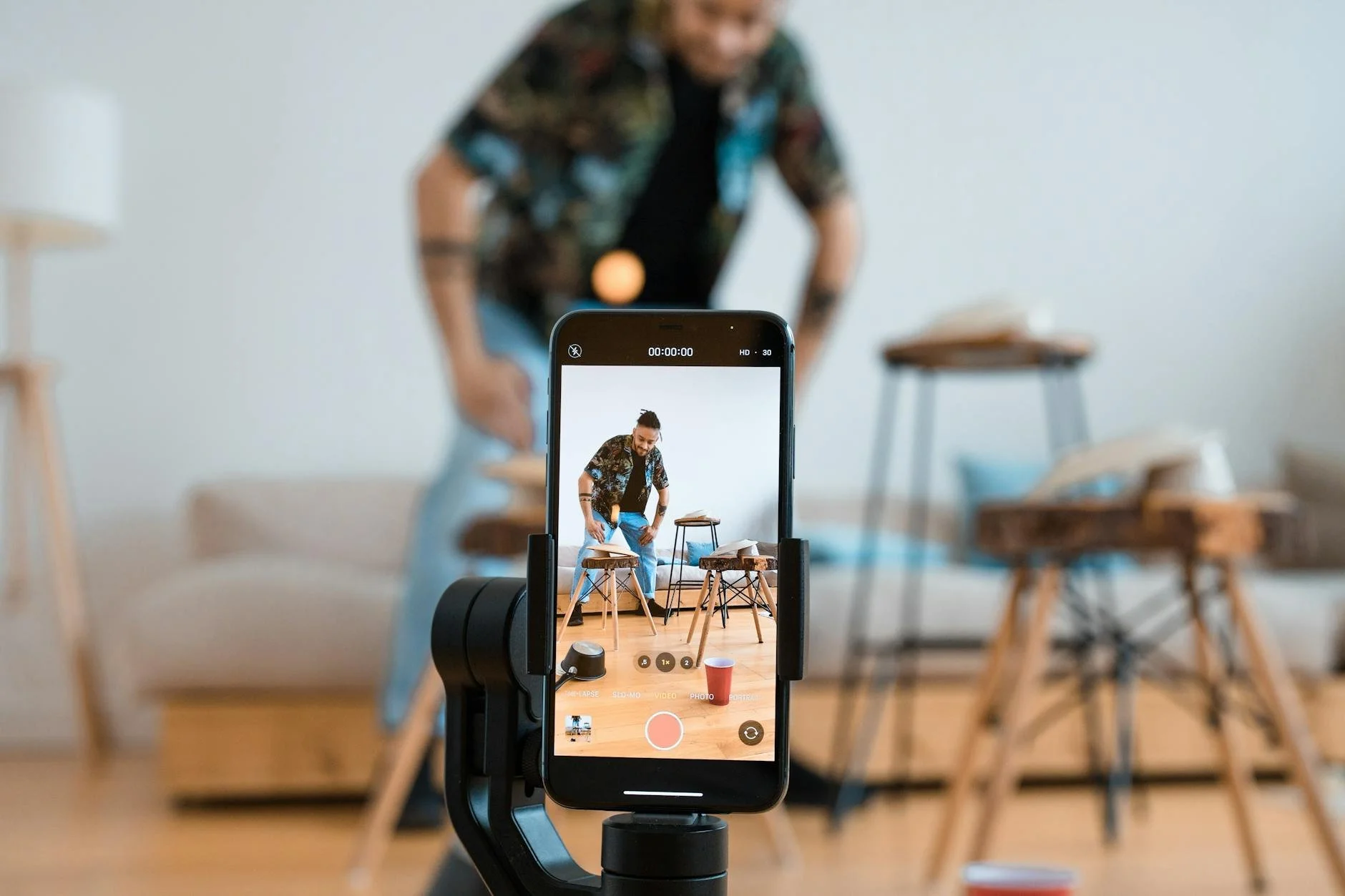
Every Platform Has a Different Audience and Algorithm Logic
This is the piece most creators skip over because it requires actually thinking about strategy instead of just posting and hoping. Let's walk through what different platforms actually reward.
TikTok rewards speed, relatability, and raw authenticity. It's one of the best discovery engines on the internet right now, meaning people who have never heard of you can find your content without following you first. If your content has a strong hook in the first two seconds, tells a story quickly, and feels native to the app, TikTok can send it to thousands or millions of people regardless of your follower count.
YouTube rewards depth, searchability, and watch time. It's the second largest search engine in the world. If you're creating educational content, tutorials, reviews, or long-form storytelling, YouTube is a goldmine that many short-form creators ignore. YouTube Shorts also offers a discovery layer similar to TikTok for quick content.
Instagram Reels currently favors polished, entertaining short videos and is heavily weighted toward reaching non-followers when content performs well in its first few hours. Instagram is also strong for visual brands and lifestyle content.
Facebook still has one of the largest and most active user bases on the planet, particularly for audiences aged 30 and up. Video content, community groups, and long-form posts all still perform well depending on your niche.
Rumble is growing fast as an alternative video platform with a highly engaged user base that skews toward audiences looking for content outside of the mainstream algorithm-heavy ecosystems.
Reddit is its own universe entirely. It's not a broadcast platform. It's a community platform. When you contribute genuinely useful content to the right subreddits, you can drive serious traffic and build real credibility, but only if you approach it as a participant rather than a promoter.
The point is simple. Your audience is not all on one app. They're scattered across all of these platforms with different habits, different expectations, and different ways of discovering new content. If you're only posting on one or two of these, you're only reaching a fraction of the people who would genuinely love what you create.
Repurposing Content Is Not Lazy. It's Smart Business.
One of the biggest objections creators and brands have to multi-platform posting is the time commitment. And that's a fair concern if you're thinking about creating entirely original content for each platform from scratch. But that's not how this works.
The real play is content repurposing. You create one strong piece of content and then adapt it strategically for multiple platforms. A ten-minute YouTube video becomes five TikToks, three Instagram Reels, a Facebook post with a clip, a Reddit discussion post, and a Rumble upload. You made the content once. You're just letting it work harder for you across more surfaces.
This is exactly what the biggest creators and brands do at scale. They're not reinventing the wheel every day. They're building systems that distribute their best ideas as widely as possible. When you start thinking about your content this way, it completely changes the return on investment for every single thing you create.
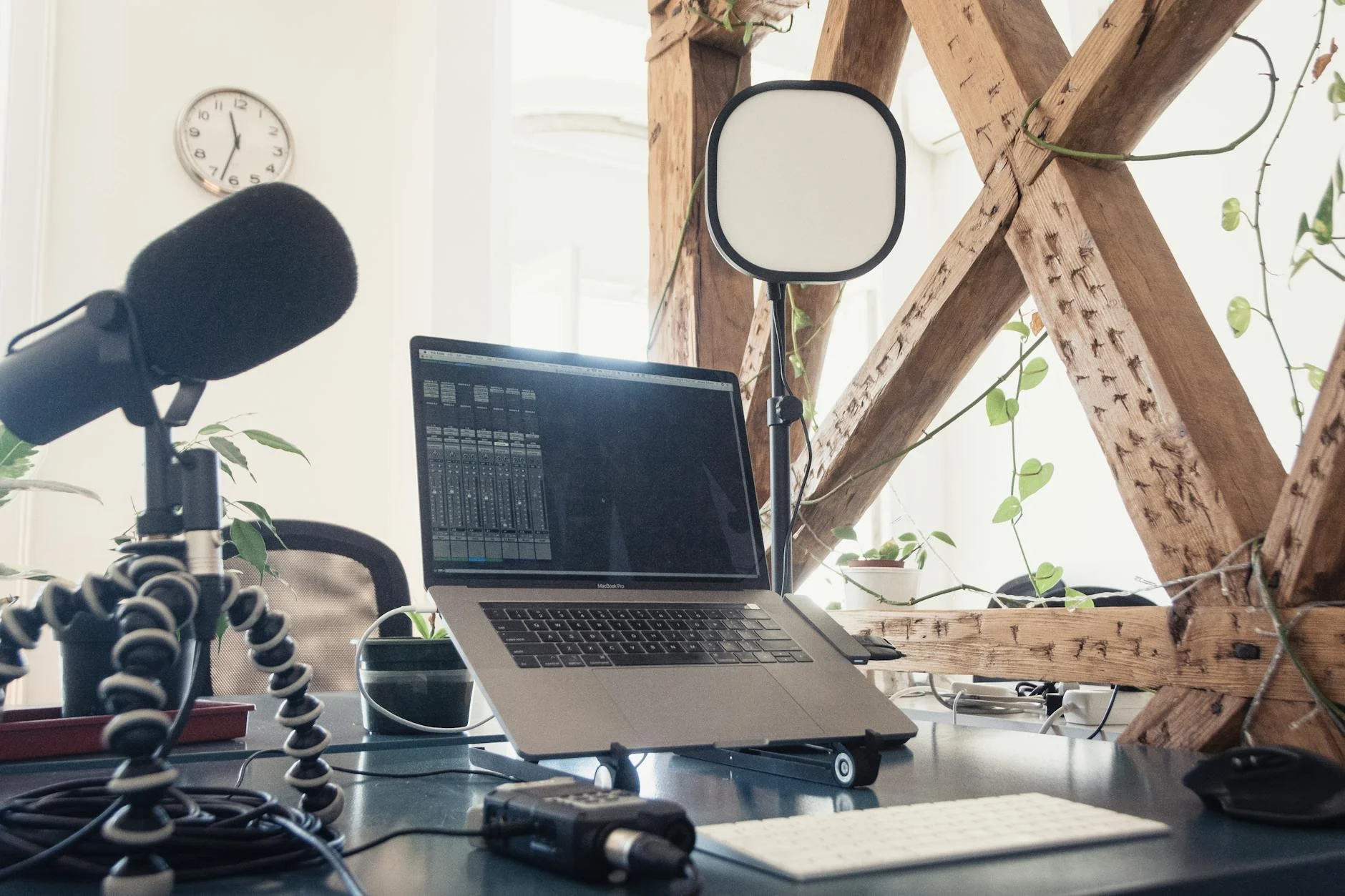
Signs You're Platform-Mismatched, Not Shadowbanned
Here are some practical indicators that your issue is platform fit rather than suppression.
Your content performs well when you share it privately but gets no organic reach. This usually means the algorithm isn't distributing it, not hiding it, which is a signal issue rather than a penalty.
You see decent engagement from existing followers but almost no new reach. This is common when you're posting content that your current audience likes but that the algorithm doesn't see as broadly shareable or discoverable.
You switched platforms for a week and immediately saw better results. This is the clearest sign. If your content suddenly performs better elsewhere without any changes to what you're creating, the original platform was just wrong for that content type.
Your niche has a strong community somewhere you're not posting. A lot of creators ignore platforms like Reddit or Rumble because they feel less glamorous, but some niches absolutely thrive there. If your audience is there and you're not, you're missing a huge open door.
What Consistent Multi-Platform Presence Actually Does for You
Beyond just more views, posting across multiple platforms builds something that single-platform creators can never quite achieve: resilience. When one platform changes its algorithm, loses users, or goes through one of its periodic chaos spirals, you aren't wiped out. You have audience relationships spread across multiple surfaces.
It also compounds. Every new platform you add creates another discovery pathway for someone who might become a long-term follower, customer, or client. The creator who is only on Instagram is invisible to someone who exclusively watches YouTube. The brand that only posts on Facebook doesn't exist to the TikTok generation. But the creator or brand showing up in multiple places becomes genuinely hard to miss.
This isn't theory. The brands and creators who grew the fastest over the last few years were almost always the ones who treated distribution as seriously as creation. They didn't just make good content. They made sure it got seen.

Stop Waiting for One Algorithm to Save You
Here's the mindset shift that changes everything. Algorithms are tools, not gatekeepers. No single platform owes you reach. No single app is the whole internet. The creators who win long-term are the ones who stop trying to crack one algorithm and start building presence everywhere their audience might be.
You don't need to manage all of this yourself. You don't need to log into seven different platforms every day, manually upload the same video six times, write six different captions, and track six different sets of analytics. There are better uses of your time, like actually creating content that matters.
You're not shadowbanned. You're just underexposed. And that's a problem with a very clear solution. Start showing up where your audience actually is, and let your content do what it was made to do.
