
Your Team Is Better Content Than Your Product And Neither One Travels
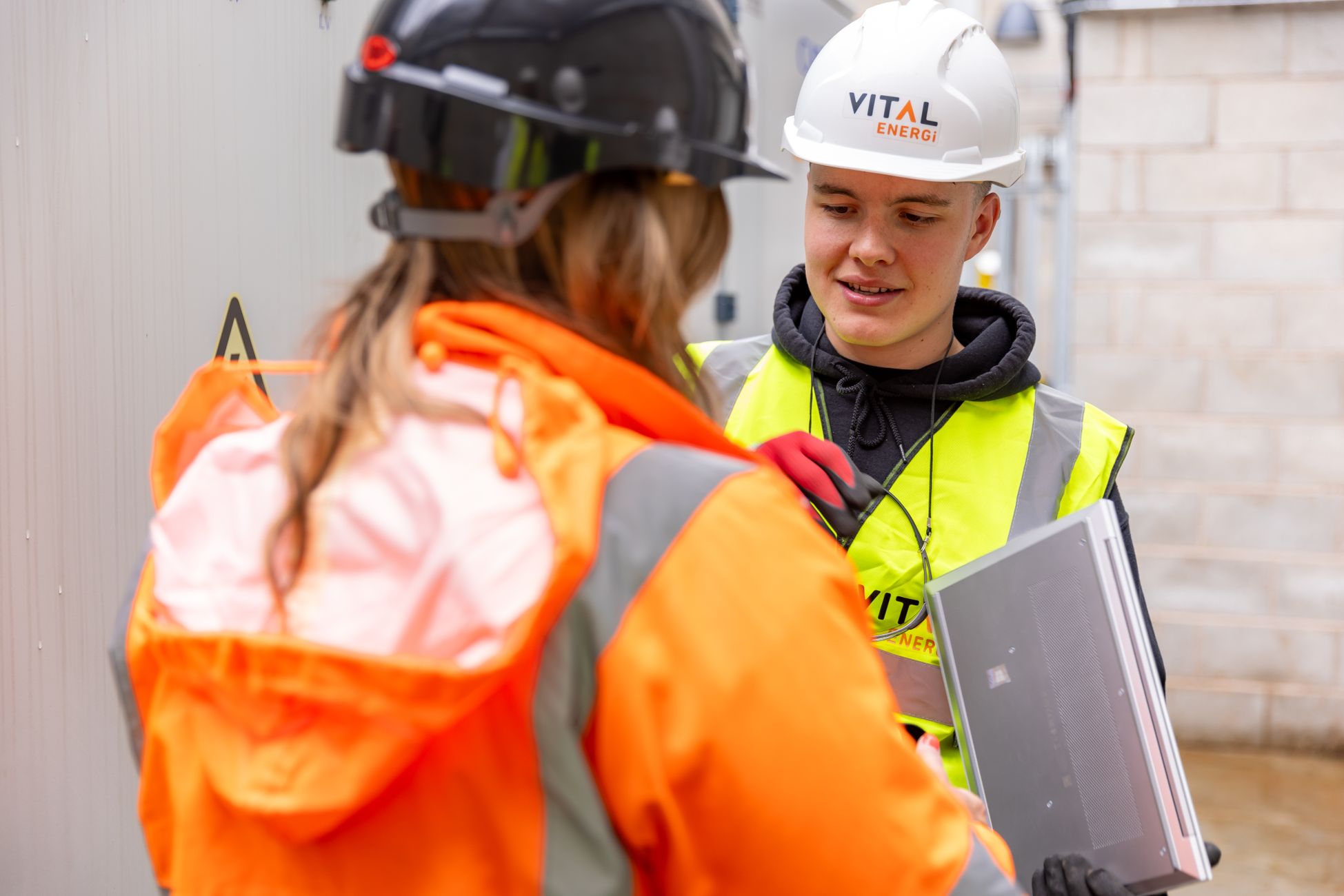
People do not follow companies. They follow people who happen to work at companies. Every operator learns this eventually, usually after two years of posting polished product shots to an account that grows by eleven followers a month.
Your team is the most interesting asset you have and the least published one.
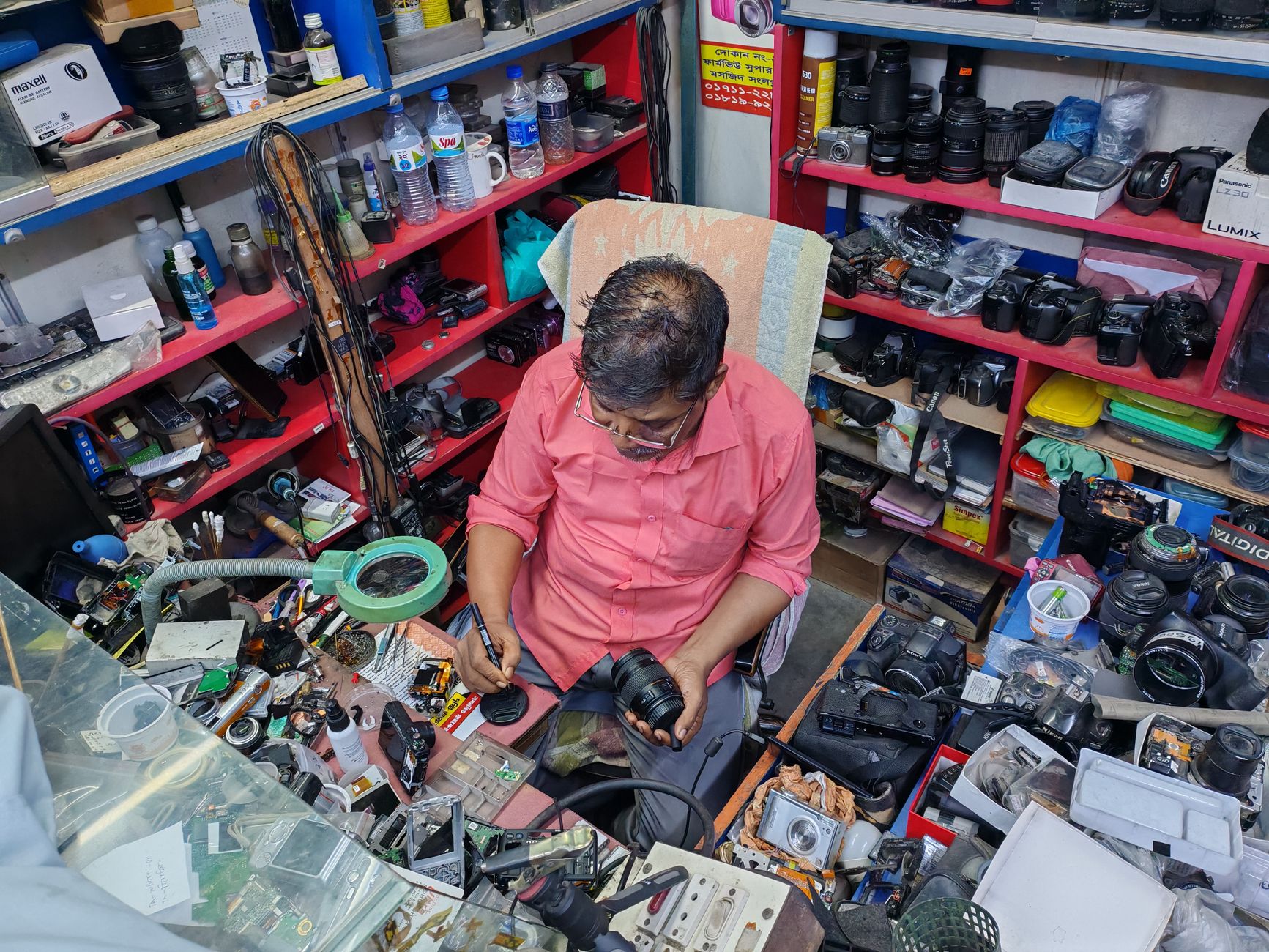
The technician who has been doing this for nineteen years and can diagnose a problem by sound. The installer who explains things better than your website does. The person at the front desk who is genuinely funny. These are characters, and characters are what makes anybody watch anything.
Meanwhile your feed is a product photo, a product photo, a holiday graphic, and a product photo.
Faces Beat Objects, Always
This is not a preference, it is how attention works. A human face in the first frame of a video holds a scroll longer than any object will. A person talking is inherently more watchable than a product sitting still, even a beautiful product.
Every platform's ranking system is downstream of watch time. Whatever holds attention gets distributed. That means the version of your content with a person in it will outreach the version without one, on every platform, every time, without you changing anything else.
The businesses that figured this out look like they have some huge advantage. They do not. They just put a person on camera and stopped posting inventory.

Nobody Has To Become An Influencer
The immediate objection is that your team did not sign up to be on camera and you are not going to force them.
Correct, and you do not need to. The content that works is not a performance. It is somebody doing their job while talking about it.
The tech explaining why this part fails. The installer showing the difference between the right way and the shortcut. The person on the phones telling the story of the weirdest call they took this month. None of that requires charisma or a script. It requires a phone held up for ninety seconds while somebody who knows what they are doing talks about what they are doing.
The ones who are comfortable on camera will volunteer within a month once they see the numbers. The ones who are not can be in the background of process footage, which works fine.
The Product Content Is Not Wrong, It Is Incomplete
To be clear, keep posting the work. Before and afters, finished installs, the product on a clean background. That content has a job and it does it.
The problem is that it is the only thing most businesses post, and it is the kind of content people scroll past fastest because they have seen ten thousand versions of it. Your beautiful finished job looks like every other beautiful finished job in your category to somebody who is not an expert.
What does not look like anybody else is your people. There is exactly one of your lead tech. Nobody can copy that. It is the only genuinely defensible content you own.
The Second Half Of The Problem
Here is where most of the value gets lost, and it is not the filming.
Say you do this. You start putting people on camera, you get some good stuff, the team warms up to it. Then all of that content goes to one account, on one platform, and reaches the same few thousand people you were already reaching.
You solved the hard half, which is production, and left the easy half, which is distribution, completely untouched. The tech who explains things beautifully is now explaining them beautifully to a room that already knows him.
Both halves have to work. Great content on one platform is a capped outcome, the same way mediocre content on seven is. The multiplier only shows up when good material meets real distribution.
Where People Content Performs Differently Than Product Content
This part is worth knowing because it changes what you post where.
Short clips of your team explaining, reacting, or working do well on TikTok, Instagram Reels, YouTube Shorts, and Facebook. Facebook in particular over-performs with people content for local businesses, because the audience skews toward the age bracket that actually buys and because they respond to knowing who is going to show up at their house.
Longer conversations, the ten minute version where somebody walks through a whole job or a whole diagnosis, belong on YouTube and Rumble. That format builds real trust and gets found through search for years.
Written stories from your team, the honest ones about difficult jobs and things that went wrong, do very well on Reddit, where polished marketing gets rejected and candid operator talk gets upvoted.
Same team, same day of filming, different cuts for different rooms. Every platform gets something that fits it rather than the same square video posted seven times.
The Retention Angle Nobody Mentions
There is a side effect worth naming. Teams that appear in the company's content stay longer.
Being publicly recognized as the expert is a form of compensation. The tech whose explainer video did forty thousand views feels differently about the job than the tech who is invisible. Customers start asking for them by name. That is worth more than most retention programs and it costs nothing but the willingness to point a camera.
It also makes hiring easier, because applicants can see who they would be working with instead of reading a paragraph about your values.
Start With One Person And Ninety Seconds
If this sounds like a program you have to build, it is not. Pick the one person on your team who explains things best and film them once.
No script. Ask them the question customers ask most and let them answer it the way they would answer it on a job site. Ninety seconds, phone in landscape and portrait if you can manage both, done before lunch.
Post it everywhere and watch what happens against your last five product posts. In almost every case it is not close, and that single comparison does more to change how your team thinks about content than any argument you could make in a meeting.
Then do it again next week with the same person. Once you have four or five and the numbers are consistent, other people volunteer on their own, because everybody wants to be the one whose video did well.
Make It A Workflow, Not An Initiative
The failure mode is doing this for three weeks. Somebody gets excited, films a bunch, posts it, sees decent numbers, and then a busy month hits and it stops, because the filming was never the bottleneck. The bottleneck was the forty minutes of exporting and uploading per clip that somebody had to volunteer for.
Kill that step and the habit survives. Film during the work, hand the footage off, let it appear everywhere. Nobody on your team should ever be sitting at a laptop resizing videos for Instagram at 7pm.
Multipost Digital runs that layer for brands who have interesting people and no distribution. Your team makes the content in the course of doing their jobs. It lands on TikTok, YouTube, Instagram Reels, Facebook, Rumble, Reddit, and more, without anybody on your payroll touching an export dialog.

You Already Have The Advantage
Every competitor in your category can buy the same equipment, offer the same warranty, and photograph the same finished job. None of them have your people.
That is the only content you own outright, and right now it is not being made, and when it does get made it goes to one feed and stops.
Point the camera at the person, then put it everywhere.
