
Your Founder Story Lives On One About Page And Nowhere Else

Somebody wrote your about page. Maybe you wrote it yourself at two in the morning the week you launched, maybe a copywriter pulled it out of you over a phone call. Either way it is good. It says why you started, what you walked away from, what you refused to compromise on. It is the most human thing on your entire website.
It also gets almost no traffic. About pages sit third or fourth in the navigation, and most visitors land on a product page, look for a price, and leave. The story you told best is the story almost nobody reads.
Meanwhile you spend your week making posts about features, offers, and tips, wondering why they feel flat. They feel flat because the thing that makes people choose you is sitting on a page they never scroll to, written once, in text, in 2019.
People Decide On The Person Before They Decide On The Product
Almost nobody in your category has a product so different that it wins on specs alone. Your competitors have similar pricing, similar turnaround, similar promises on their homepage. Buyers know this. They stopped comparing features a long time ago.
What they compare instead is whoever seems more real. They are looking for a reason to trust one option over another, and the reason is almost always some detail about the person or team behind it. You started this because you got tired of watching people get ripped off. You left a job that paid well. You spent two years getting the process right before you charged anybody.
That is the material that closes. And you buried it on a page with a stock photo of your team standing in a row.
Your Story Is Not One Post, It Is Forty
Here is where most people get stuck. They think about turning the founder story into content, imagine a single long video where they explain their whole background, decide that sounds self indulgent, and drop the idea.
That is the wrong unit. Nobody wants a fourteen minute origin story from a business they have never heard of. What they will watch is a thirty second clip about the one job that made you quit. Then, a week later, a clip about the first customer who took a chance on you. Then the tool you refuse to use even though it would be faster. Then what you got wrong in year one and how much it cost.
Your about page compresses ten years into four paragraphs. Uncompressed, that is dozens of specific moments, and each one is its own short video. You are not making a documentary. You are making a series of small, concrete pieces that add up to a person somebody feels like they know.
The Same Clip Lands Differently On Every Platform
Once you accept that your story is forty pieces rather than one, the second thing to accept is that those pieces should not go to one feed and stop.
A story about walking away from a stable job does one thing on TikTok, where it reaches strangers who have never heard of you. It does something completely different on Facebook, where the audience skews toward people in your area who may already know your name. On YouTube it becomes searchable, and it will still be pulling views in two years. On Reddit it can live inside a conversation where somebody is asking whether to start the thing you started. On Rumble it reaches a crowd that most of your competitors have written off entirely.
Same clip. Five different jobs. The version of you that gets discovered on one app is not the version that builds familiarity somewhere else, and both matter.
Why Founder Content Outperforms Brand Content Almost Every Time
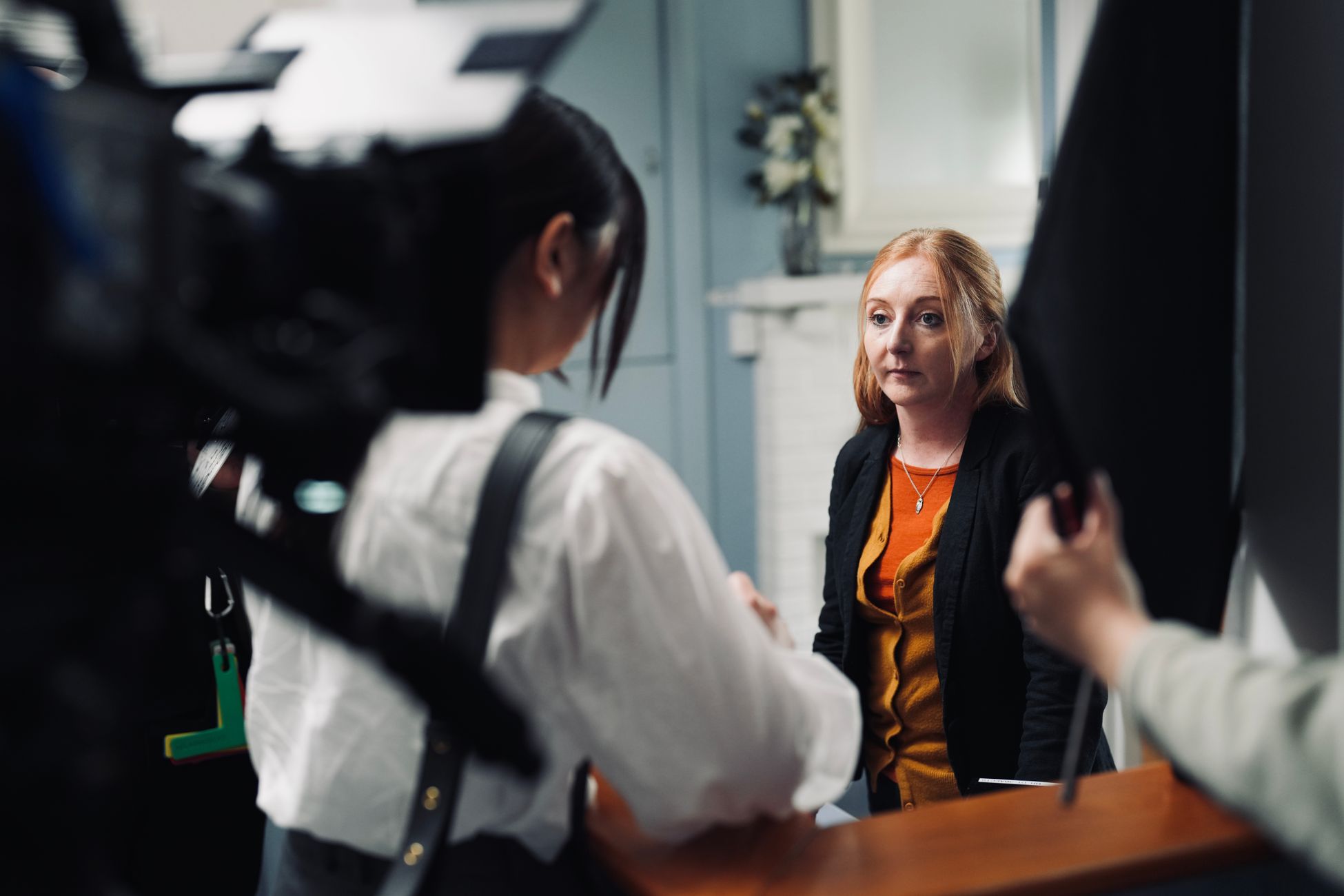
Look at your own analytics honestly. The posts where you are on camera talking about something you actually care about probably beat the polished brand posts. This is consistent across almost every account, in almost every category, and it is not a mystery.
A brand post is a company talking. A founder post is a person talking. Feeds are built for people. Every platform on the list rewards content that holds attention, and a specific human telling a specific story holds attention better than a graphic with a value proposition on it.
This is also why the founder story is the most reusable asset you own. Product details change. Prices change. Offers expire. The reason you started does not, which means those clips stay accurate and stay useful for years. That makes them worth pushing to every platform, not just the one you are most comfortable on.
The Reason This Never Happens
You already know all of this. So why has it not happened?
Usually one of two reasons. The first is that it feels like bragging. Talking about yourself to an audience feels different from writing it in third person on a website. That feeling fades after about six posts, and the fix is to talk about the situations rather than yourself. Describe the job that went wrong, the customer who was frustrated, the thing you decided. You come across as a person with experience rather than a person with a highlight reel.
The second reason is logistics, and this one is real. You film four clips on a Tuesday and then you have to upload them individually to six different places, each with its own crop, caption, and upload flow. That is an hour of work for content that took twenty minutes to make. So you post one, tell yourself you will get the rest up later, and later never arrives.
That second problem is the one that actually kills founder content, not the discomfort. The discomfort ends. The manual uploading never does.
What This Looks Like When It Runs
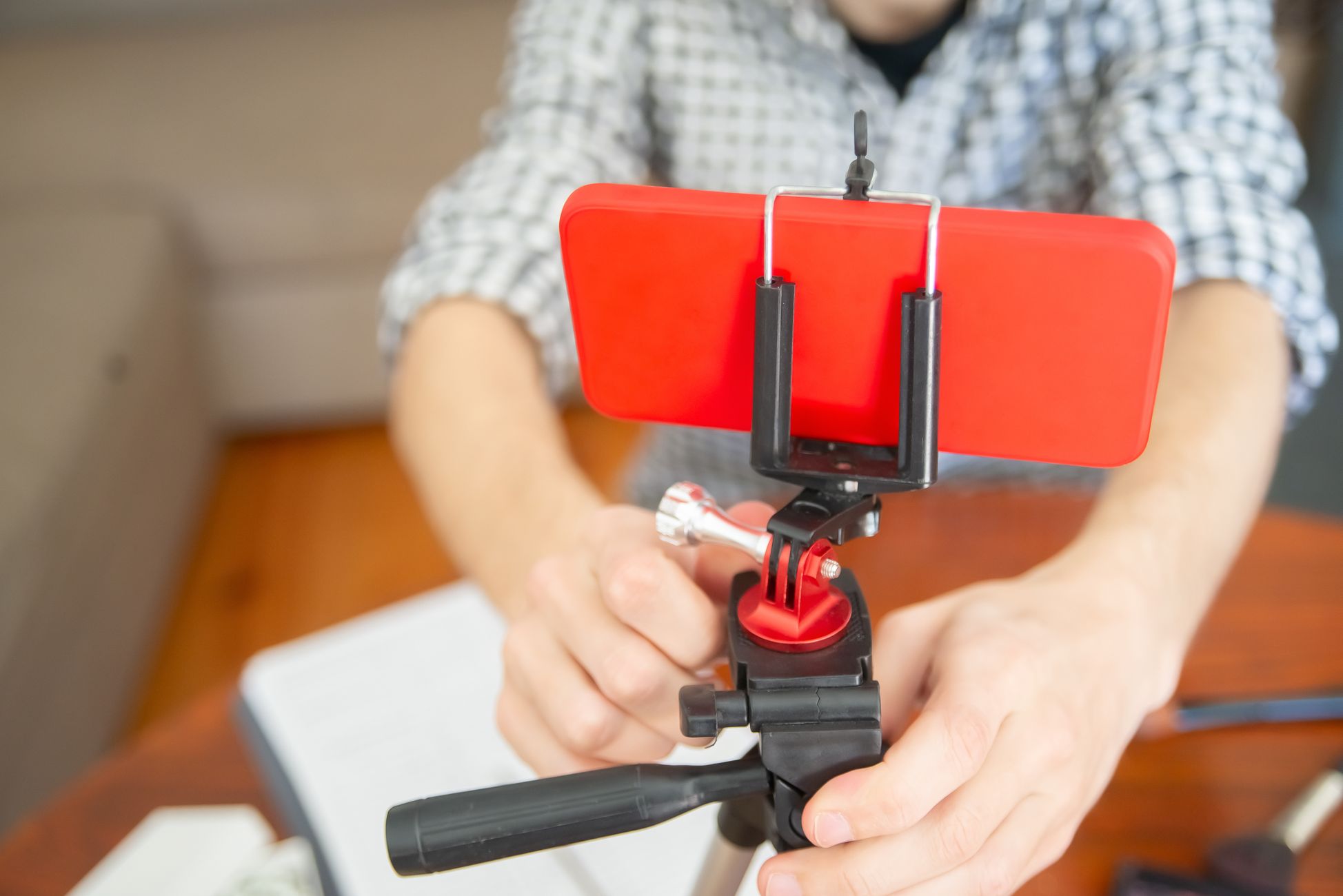
Picture the version where the friction is gone. You sit down once a month and film ten short clips about specific moments from your history and your opinions about how the work should be done. No script, no set, just you talking to a phone for forty minutes.
Every one of those clips goes out to TikTok, YouTube, Instagram Reels, Facebook, Rumble and Reddit. Not by you, in the evening, one at a time. Automatically, as a background process, in the correct format for each place.
Ten clips across seven platforms is seventy pieces of distribution from one forty minute session. Some of them do nothing. Two or three will do very well, and they will not be the ones you predicted. One of them will reach somebody who becomes a customer eighteen months later and mentions the video in the first sales call.
That is what an about page can never do, because an about page has one address and waits for people to come to it.
Stop Waiting For People To Find The Good Part
Your website is a place people go after they have already decided you are worth checking out. The story that makes them decide has to reach them before that, in the feeds where they spend their attention, in pieces small enough to watch without committing to anything.
You already have the material. It is written down, in order, on a page you paid somebody to write. The work left is breaking it into moments and making sure each moment reaches more than one audience.
Multipost Digital handles that second half. You film the clips, and we publish across 7 or more platforms so the reason you started reaches every audience available to you instead of sitting behind a link in your footer.
