
You Don't Have a Content Problem, You Have a Distribution Problem
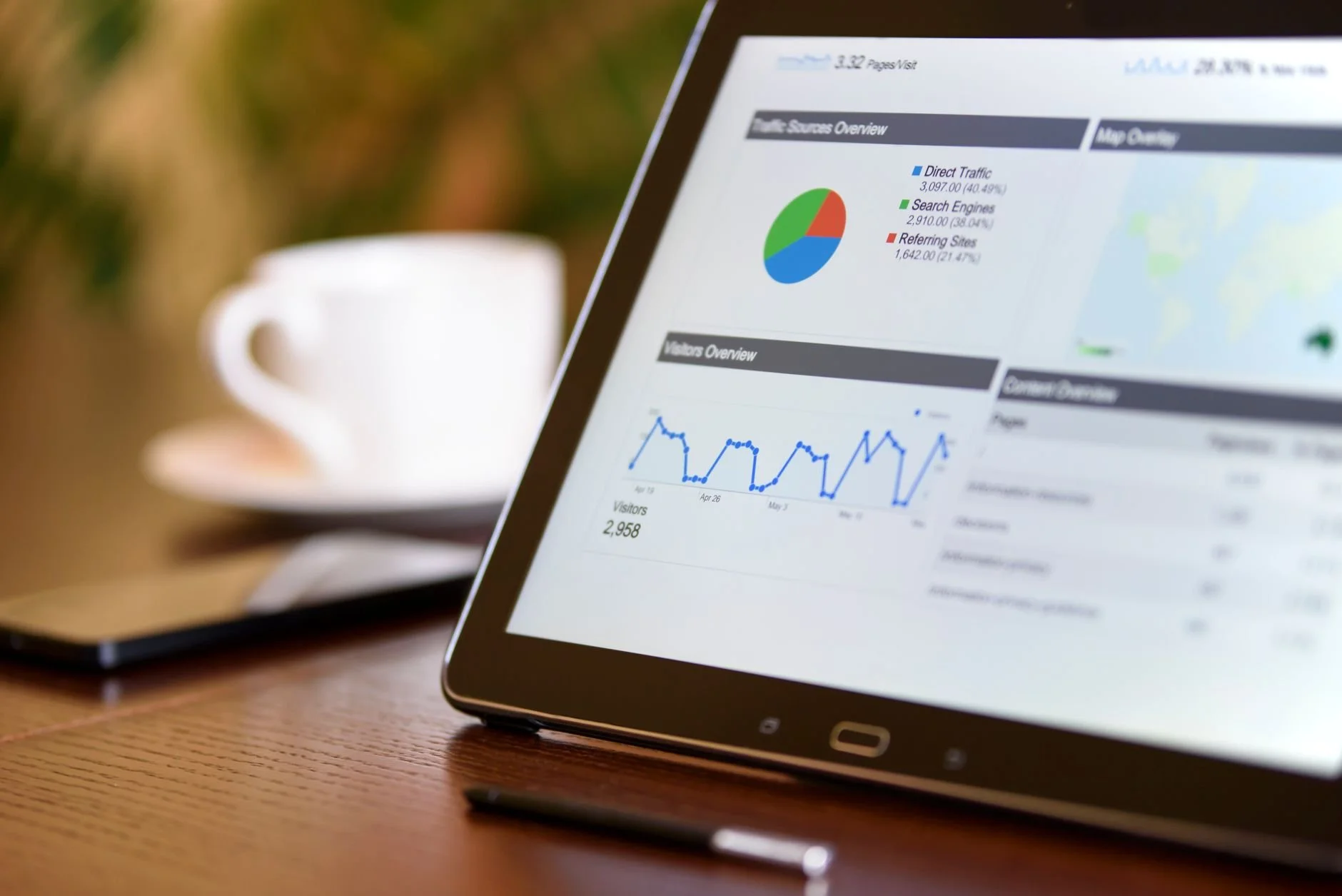
You spent three hours on that video. You re-shot the hook twice, color graded it, picked the perfect audio, tightened the edit until it was clean. Then you posted it to one platform, watched it get a few hundred views, and decided the content wasn't good enough. So you went back to the editing software and started the whole cycle over, convinced the next one needed to be better. That instinct is wrong, and it's quietly costing you the audience you're trying to build.
Here's what's actually happening. Your content is fine. In a lot of cases your content is better than the stuff getting ten times your reach. The difference isn't quality. The difference is that the people winning are putting the same work in front of five, six, seven different audiences while you're putting yours in front of one. You're playing one table. They're playing the whole casino. And no amount of polish on a single post fixes a math problem that's about how many places it lives.
See how Multipost Digital fixes the distribution side for you
Once you see this clearly, you stop blaming yourself for posts that "didn't hit" and start asking a much more useful question: who else never even got the chance to see this?
The Misdiagnosis That Keeps You Stuck
When a post underperforms, almost everyone reaches for the same conclusion. The hook was weak. The pacing dragged. The topic was off. So the fix is always to make the next piece better. More research, more editing, a sharper script. It feels productive because it's hard work, and hard work feels like it should be the answer.
But think about what you're actually doing. You're optimizing the part of the equation that's already strong and ignoring the part that's broken. If a video gets 300 views on one platform, the problem usually isn't that 300 people watched it and didn't like it. The problem is that the other tens of thousands of people who would have liked it never saw it, because it was only ever in one feed, on one app, in front of one slice of the internet.
A great post seen by a small audience will always lose to an average post seen by a large one. That's not an opinion about quality. It's just how reach works. You can have the best taco in the city, but if there's one sign on one quiet street, you lose to the chain on every corner. Distribution is the corner. Most creators are obsessed with the recipe and never think about where the restaurant sits. So they keep tweaking the menu while the location stays hidden, and they wonder why the line never forms.

Why Good Content Gets Trapped on One Platform
There's a reason this happens, and it's not laziness. Posting everywhere is genuinely annoying. Every platform wants something slightly different. TikTok and Instagram Reels and YouTube Shorts all take vertical video, but the captions behave differently, the hashtag norms are different, the ideal posting times are different. Facebook treats the same clip differently than Rumble does. Reddit will eat you alive if you post like a marketer instead of a member of the community.
So what do most people do? They post to the one platform they're most comfortable with, tell themselves they'll get to the others "later," and never do. Later never comes because the friction is real. Reformatting, re-uploading, rewriting captions, and remembering which account needs what turns a five-minute task into an hour. After a long day of actually making the thing, nobody has another hour.
That's the trap. The friction of distribution masquerades as a content decision. You're not choosing to ignore six platforms because your content doesn't deserve them. You're ignoring them because the manual work is exhausting, and then you misread your own small numbers as a quality problem. The bottleneck was never the work you put in front of the camera. It was the work you skipped after.
The Lever That Actually Moves Reach
Here's the part that should change how you operate. The single highest-return action available to most creators and brands right now is not making better content. It's taking the content they already have and getting it everywhere.
Run the numbers on it. Say your average video does 1,000 views on the one platform you post to. Now imagine that same video, with light per-platform adjustments, going out to TikTok, YouTube Shorts, Instagram Reels, Facebook, Rumble, and Reddit. Even if most of those land softer than your home platform, you're now collecting views from six separate audiences that barely overlap. Three hundred here, eight hundred there, two thousand somewhere unexpected. The total dwarfs what any single post could ever do on its own, and you didn't film a single extra second.
That's the leverage. Same effort up front, multiplied output on the back end. Compare that to the alternative most people choose, which is spending another three hours making one slightly better video that still only lives in one place. One path multiplies your existing work. The other adds more work to chase a marginal gain. It's not close.
This is exactly the work Multipost Digital takes off your plate
And the compounding matters more than the raw numbers. Every platform you show up on consistently becomes its own growing audience. Six audiences building at once beats one audience building alone, every time, over any timeline that matters.

Distribution Is Also Your Insurance Policy
There's a second reason to spread out that has nothing to do with reach today. Platforms change. They throttle organic reach, they shift what the algorithm rewards, they get banned, they get sold, they fade. If your entire presence lives in one place, every one of those events is a threat to your whole business.
Creators who built everything on a single app have watched it evaporate before. People who relied on one platform's organic reach got crushed the day that reach got cut. When you're active across seven platforms, no single change can wipe you out. One app having a bad month is a footnote, not a catastrophe. You spread the risk the same way you'd spread it anywhere else that matters, because betting your entire reach on one set of rules you don't control is a gamble dressed up as a strategy. Distribution isn't only how you grow faster. It's how you make sure the thing you built doesn't depend on a company that owes you nothing.
What This Looks Like When You Do It Right
Stop measuring a piece of content by what it did in one feed. Start measuring it by total reach across everywhere it could live. That reframe alone will change which posts you think are "working."
When something does well on your strongest platform, that's not the finish line. That's the signal to push it everywhere else. Adapt the caption, adjust the hashtags, find the right community, re-upload with a tweaked description, and let one winning idea compound across every audience you can reach. The brands that dominate aren't making seven times more content than you. They're getting seven times more mileage out of the content they already make.
The catch, again, is time. Doing this by hand across seven platforms, every day, while also running a business or actually creating, is not realistic for most people. That's the whole reason Multipost Digital exists. It posts your content across 7+ platforms for you, handling the formatting and the uploads and the per-platform details, so your distribution stops being the thing you keep meaning to fix and becomes something that just happens. You make the content once. It shows up everywhere. You get your hours back.
Your content was never the problem. You've been pouring effort into the one lever that was already pulled and leaving the lever that actually moves reach untouched. Pull that one instead.
Here's how to get your content onto every platform without the manual grind
