
Why Posting Consistently Still Won't Grow Your Audience in 2025

You've heard it a thousand times. "Just be consistent." Post every day. Show up for your audience. Build the habit. And so you do. You batch your content, you stick to your schedule, and you hit publish like clockwork. Weeks pass. Months pass. And the numbers barely move. Sound familiar?
Here's the uncomfortable truth that nobody in the "post every day" crowd wants to say out loud: consistency is a baseline requirement, not a growth strategy. It's the floor, not the ceiling. Posting regularly keeps you in the game, but it doesn't win the game. If you're relying on a single platform and a steady schedule to grow your audience in 2025, you're leaving a massive amount of reach on the table every single week.
The good news is that there's a smarter way to work, and it doesn't mean grinding harder. It means distributing smarter. If you want to see what it actually looks like to grow your presence across multiple platforms without burning yourself out, check out how Multipost Digital works here.
Consistency Was Never the Whole Strategy
Let's rewind for a second. The "just be consistent" advice made a lot of sense years ago when platforms were less crowded, algorithms were more forgiving, and simply showing up regularly was enough to signal that you were a serious creator. Those days are gone.
In 2025, every niche is saturated. Every platform has millions of creators fighting for the same eyeballs. Instagram alone sees hundreds of millions of posts every single day. TikTok is flooded with content from creators who have been perfecting their hooks and editing for years. YouTube is a search engine with billions of hours of uploaded video. Consistency in this environment is like showing up to a marathon with good running shoes. Yes, it matters. But so does your training, your pacing, your nutrition, and your strategy.
Posting consistently on one platform means you're playing a very narrow game. You're dependent on one algorithm, one audience, one content format, and one set of rules that can change overnight. When that algorithm shifts and your reach drops by 40%, you have no backup plan. When your account gets flagged or restricted, your entire business can stall out. That's not a growth strategy. That's a single point of failure dressed up as discipline.

The Real Problem: You're Fishing in One Pond
Think about it this way. Imagine you're a fisherman and you've decided that the only pond worth fishing in is the one right next to your house. You go every single day. You know that pond better than anyone. But there are only so many fish in it, and you're competing with every other fisherman who also decided it was the best spot.
Meanwhile, there are lakes, rivers, and oceans a short drive away that are packed with fish, and almost nobody is casting a line there. That's what single-platform content creation looks like in 2025.
Different platforms house entirely different audiences. Someone who discovered you on TikTok might never find you on YouTube. A viewer on Rumble might never scroll Instagram. A Reddit community built around your exact niche might have thousands of people waiting to hear what you have to say, and they'll never know you exist if you're only posting Reels. Your potential audience is scattered across platforms, and your content needs to meet them where they already are.
This isn't about being everywhere just to be everywhere. It's about being strategic with the content you're already creating and making it work across multiple distribution channels so that your effort compounds instead of evaporates.
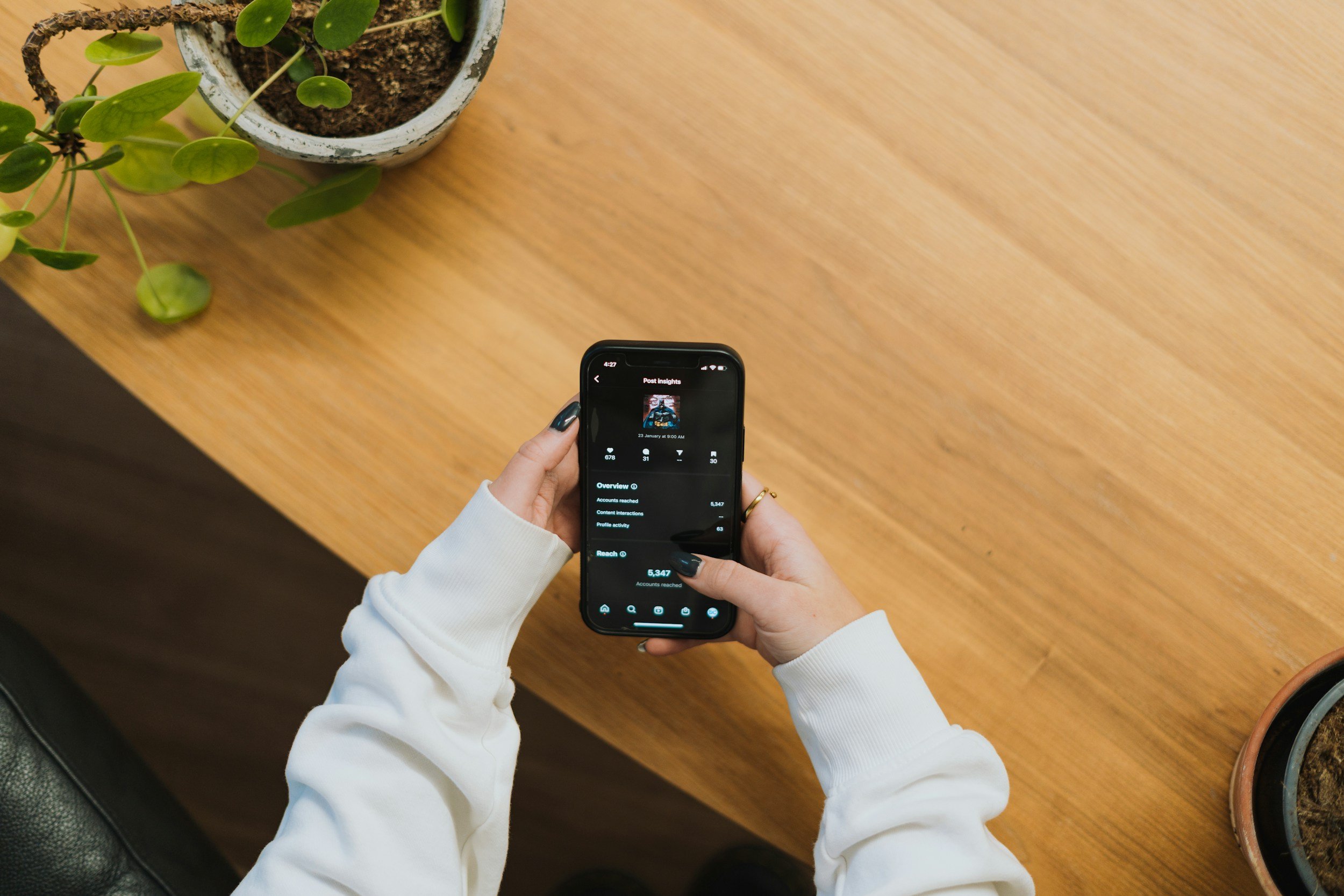
Why Most Creators Don't Repurpose (And Why That's Costing Them)
Most creators already know they should be repurposing content. They know they should be taking that YouTube video and cutting it into Reels, turning that TikTok into a Facebook post, or pulling a quote from their podcast to use on Reddit. They know this. They're just not doing it, because it feels like a second full-time job.
And that's fair. If you're already spending hours writing scripts, filming, editing, and managing comments, the idea of reformatting everything for seven different platforms feels impossible. So it doesn't happen. The content goes up on one platform, gets a few days of reach, and then dies quietly while you scramble to create something new.
That cycle is exhausting, and it's also wildly inefficient. You're doing 100% of the creative work and getting maybe 15% of the potential distribution. The rest is just left sitting on the cutting room floor.
The solution isn't to hire a full team or work longer hours. The solution is to have a system that handles the distribution for you so you can stay focused on what you actually do well, which is creating.
What Multi-Platform Posting Actually Does for Your Growth
When you're consistently distributing content across platforms like TikTok, YouTube, Instagram Reels, Facebook, Rumble, Reddit, and beyond, a few things start to happen that just don't occur when you're locked into one platform.
First, your discoverability multiplies. Each platform has its own search functionality, its own algorithm, and its own culture of discovery. A video that doesn't catch fire on Instagram might absolutely blow up on TikTok because of how the For You Page works. A piece of content that gets ignored on Facebook might land perfectly in a specific Reddit community and rack up thousands of upvotes. You don't always know where your best content is going to resonate until it's out there competing.
Second, your brand starts to feel omnipresent. When someone sees your content on TikTok and then stumbles across you on YouTube and then notices you on Reddit, you go from being "some creator they saw once" to being "someone who is everywhere." That sense of authority builds trust faster than any single-platform presence ever could.
Third, you create multiple traffic funnels that can drive people back to whatever you want, whether that's your email list, your website, your product, or your community. A single Instagram account is a single door. Seven platforms are seven doors, all leading to the same house.
The Time Problem Is Real, but It's Solvable
Here's where a lot of creators get stuck. They understand the logic of multi-platform posting. They believe it would help. But they simply don't have the bandwidth to make it happen.
That's exactly the problem that crossposting and content management services exist to solve. Instead of you spending three hours adapting a single video for different platforms, optimizing captions for different audiences, and figuring out the best posting times for each channel, a service like Multipost Digital handles all of that for you.
You create the content. The distribution gets handled. Your reach grows across multiple platforms while you focus on making more content or simply getting back to running your business.
For brands and business owners especially, this model makes enormous sense. Your team isn't built to become social media experts on seven different platforms simultaneously. Your time is better spent on strategy, products, and serving your customers. But your content still needs to reach people, and the wider that net is cast, the more growth you're going to see.
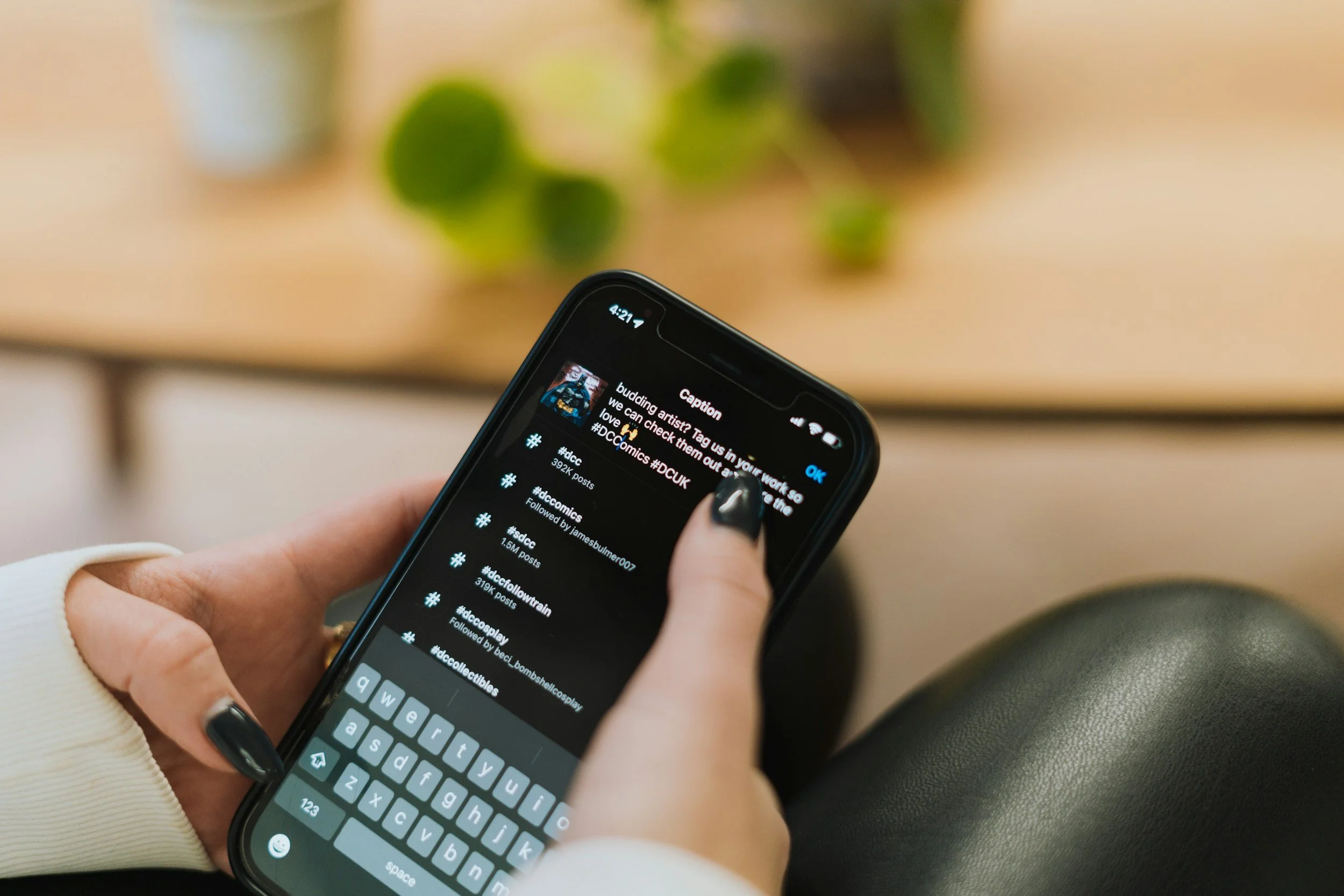
Consistency Plus Distribution Is the Real Formula
Consistency matters. It still counts. Showing up regularly builds trust with your audience and signals to algorithms that you're an active account worth pushing. But consistency without distribution is like having a great product that nobody knows exists.
The creators and brands that are winning in 2025 are the ones who combine a consistent creation habit with a smart, wide distribution strategy. They're not working twice as hard. They're working twice as smart. They're letting their existing content do more work by showing up in more places and reaching more people without requiring more hours in the day.
If you've been grinding away at posting consistently and wondering why the needle isn't moving, stop and take a hard look at where your content is actually going. If the answer is "mostly one platform," you already know the next step to take.
Stop relying on one platform and start growing on all of them. See how Multipost Digital can handle your cross-platform distribution.
