
Your Video Gets One Audition When It Could Have Seven

You made the video. You liked the video. You posted the video to the one app you always post to, and then you watched the number crawl for a few hours and decided the video was fine, or the video was bad, or the algorithm hated you that day. That is the whole story of most content. One shot, one room, one verdict, and then it is over.
Here is the part nobody tells you. That was an audition, not a career. You walked your video into a single casting room, it read for a single panel that was in a specific mood on a specific afternoon, and you took their reaction as the final word on whether the work was any good. It was not the final word. It was one opinion from one crowd on one platform. There were six more callbacks waiting, and you skipped every one of them by never sending the tape anywhere else. It is worth seeing what it looks like when a video actually gets read by everyone it should reach.
The reason this matters is that platforms are not neutral judges. Each one has its own crowd, its own timing, its own idea of what deserves to travel. A talking-head clip that dies on Instagram can catch fire on Facebook because the audience there skews a decade older and actually stops to read. A long cut that gets buried on TikTok can build a slow, permanent tail on YouTube because search keeps feeding it to people for months. Rumble rewards things Instagram would throttle. Reddit will send you a wave of buyers or a wall of silence depending entirely on the room. None of these are the truth about your video. They are seven different rooms, and you have been reading for one.
You Are Letting The Pickiest Room Speak For All Seven
Think about how strange your current setup actually is. You have a piece of content that took real effort. You filmed it, you cut it, you wrote the hook, you exported it. And then you let the single most saturated, most competitive, most fickle feed on the internet decide its entire fate. That is like auditioning only for the toughest director in town and, when they pass, deciding you are not an actor.
The single-platform habit feels like focus. It is actually surrender. You are surrendering the outcome to whichever app you happened to pick first, and you are pretending its verdict is objective. It is not objective. It is just loud. The quiet platforms, the ones you keep meaning to get around to, are full of people who would have stopped for that exact video. They never got the chance because the tape never made it to their room.

A Callback Is Not More Work, It Is The Same Work Seen Again
The objection I hear is always the same. I do not have time to post everywhere. I get it. You are already stretched. But notice what you are actually saying. You are saying the filming was worth it, the editing was worth it, the thinking was worth it, but walking the finished file into six more rooms is somehow the step that breaks the budget.
The video already exists. That is the whole point. A callback does not ask you to act again. It asks the tape to be seen by a new panel. The marginal cost of showing an already-finished video to a new audience is tiny compared to the cost of making it in the first place. You paid the expensive part. Skipping distribution is like paying for a flight and refusing to board because walking to the gate felt like a hassle.
This is exactly the gap we close. You keep making the work. The distribution, the resizing, the reformatting, the posting into every room on the right schedule, is the part that should not eat your week. The making stays your job and the spreading stops being a second one.
The Math Of Seven Auditions
Run the odds honestly. On one platform, a given video has some chance of hitting. Call it whatever you want, it does not matter, because the number is low and unpredictable for everyone. Now give that same video seven independent rooms. Seven different crowds, seven different moods, seven different reasons a piece might travel. You have not multiplied your effort by seven. You have multiplied your chances of a hit by close to seven, on effort you already spent.
And a hit on one platform is not the ceiling. It is a signal. When something pops on YouTube, the version you posted to TikTok looks smarter in hindsight, the Facebook cut suddenly has context, and the whole slate of your content starts pulling in the same direction. One callback going well lifts the others. That never happens when there is only one room and one verdict.

What Skipping The Callbacks Actually Costs
The cost is not abstract. Every video you post to one place and abandon is a specific audience that never met you. It is the buyer on Reddit who would have clicked. It is the fifty-year-old on Facebook who would have shared it with a group. It is the person who searches YouTube six months from now for the exact thing you explained and finds a competitor instead, because your explanation only ever lived for four hours on one feed.
You do not feel that cost because it is invisible. Nothing shows up in your analytics for the rooms you never entered. The dashboard only reports the one audition you took, so the one audition feels like the whole world. It is not. It is one seventh of it, on a good day.
The Callbacks Talk To Each Other
Something else happens once your video is reading in all seven rooms instead of one. The rooms start feeding each other. Someone catches a short clip on TikTok, likes what they see, and searches your name on YouTube where the full version is waiting. Someone finds the long cut on YouTube, follows you on Instagram to keep up, then sees you again on Facebook and finally trusts you enough to buy. No single platform closed that loop. The platforms did it together, handing the same person back and forth until casual attention turned into a real relationship.
That cross-pollination is impossible when you live on one app. A viewer there meets you once, in one format, and that is the entire relationship. There is no second touch on another platform, no deeper version to graduate them to, no repeated exposure across contexts that turns a stranger into a follower into a customer. You get one impression and one chance, when being everywhere would have given you five or six touches across a week without making a single extra video. The callbacks are not just independent shots at a hit. They compound into a relationship the single audition can never build.
Send The Tape Everywhere
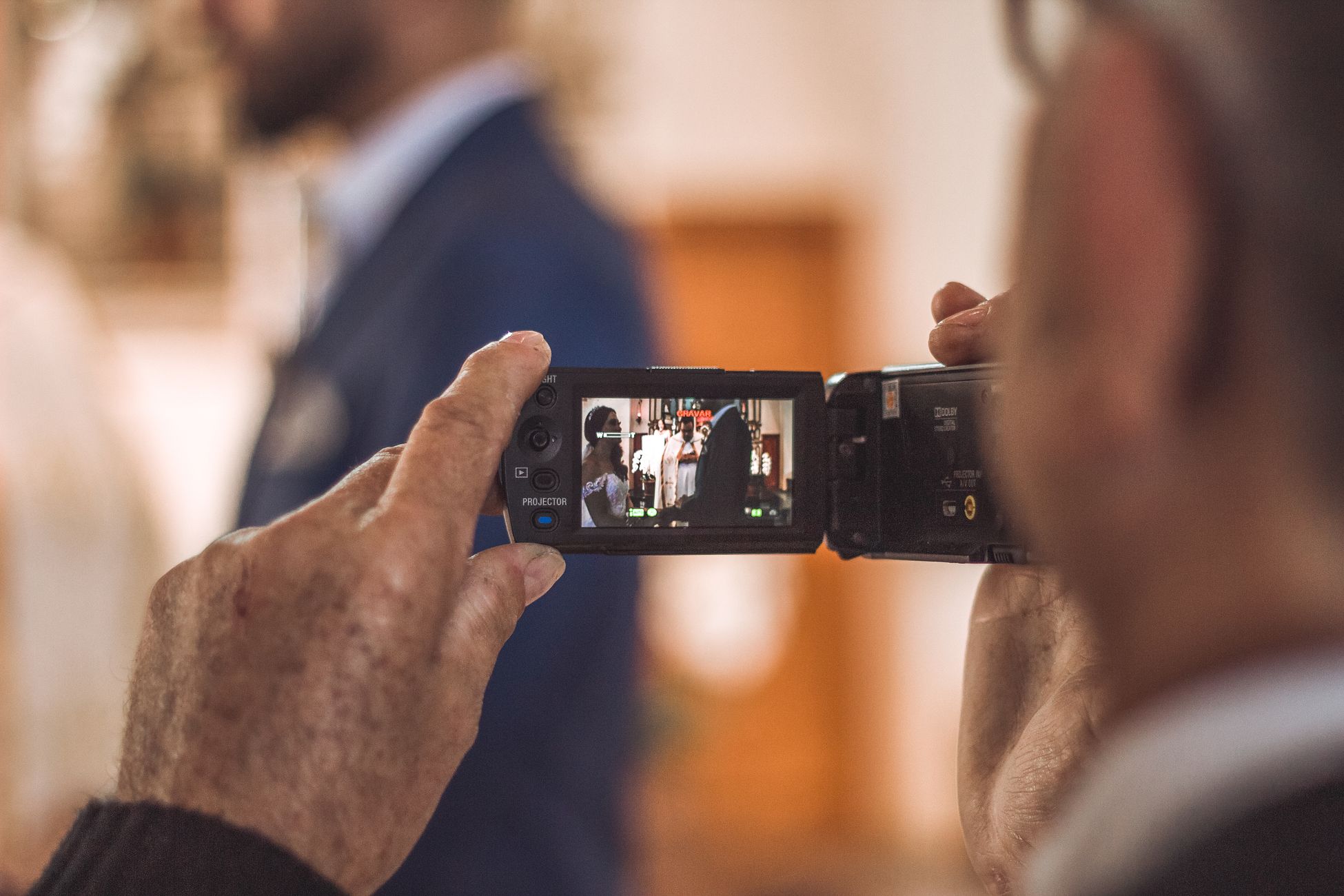
Stop treating your main app like a judge whose ruling is final. It is one panel in one room having one reaction. The work you already finished deserves to read for every crowd that might want it, not just the crowd that happens to be hardest to please.
You did the expensive part when you made the video. The cheap part, the part that actually decides whether all that effort reaches anyone, is making sure it walks into all seven rooms instead of one. Do that consistently and the picture changes fast. The same slate of content you have now starts finding people it was never allowed to reach. Every video you make gets all of its callbacks instead of one lonely audition.
