
The Reason Your Ads Are Expensive Is That Your Organic Content Only Warms Up One Audience

Your cost per acquisition went up again. So you test new creative, adjust the targeting, try a different objective, maybe pause everything and rebuild the campaign from scratch. All of that happens inside the ad account, because that is where the problem appears to live.
The problem often lives outside it. Ads are cheap when the audience already knows who you are and expensive when they do not. If your organic presence exists on exactly one platform, then everywhere else you advertise, you are paying full price to introduce yourself to complete strangers, and no amount of creative testing fixes that.
See how organic distribution works across seven platforms
The account is not broken. It is being asked to do cold introductions in six places where you have never shown up organically, and cold is the most expensive thing you can buy.
Recognition Is A Discount And You Are Not Claiming It
Two people see the same ad. One has never encountered your business. The other has seen your videos in their feed a few times over the past couple of months, does not remember you specifically, but has a vague sense of familiarity.
The second person clicks at a meaningfully higher rate, converts better, and costs you less. Nothing about the ad was different. The only variable was prior exposure, and prior exposure is exactly what organic content produces for free.
This is why businesses with strong organic presence report ad costs that seem impossibly low to businesses without one. They are not better at media buying. They are advertising into an audience that has been seeing them organically for months, so the ad is a reminder rather than an introduction. Reminders are cheap. Introductions are not.
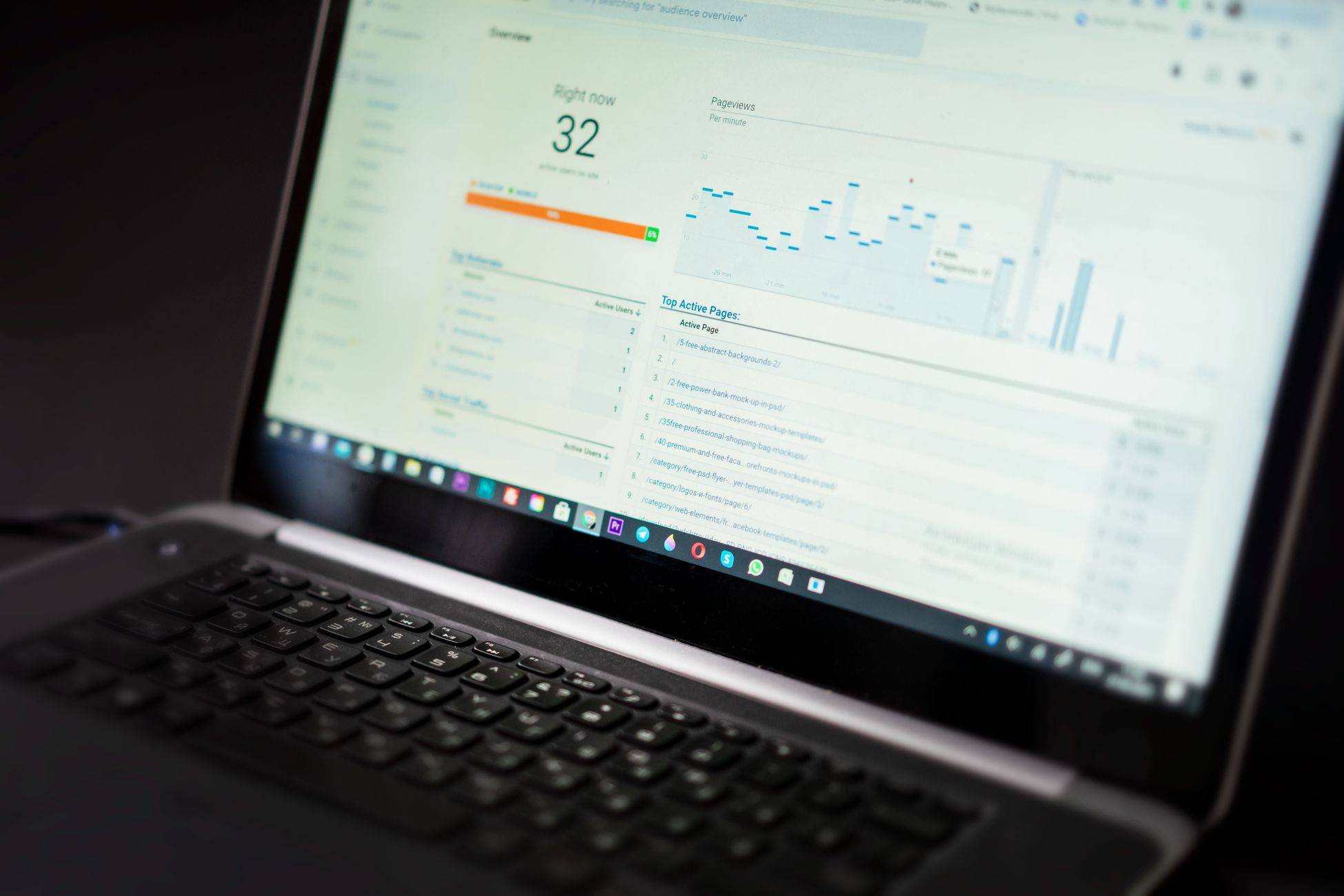
Advertising Where You Are Organically Invisible
Now apply that to platform spread. You post organically on one app. You run ads on Facebook and Instagram, maybe YouTube, maybe TikTok.
On the platform where you post, your ads perform reasonably, because some fraction of the audience has seen you before. Everywhere else, every single impression is cold. You are paying the introduction price on every platform except one, and then averaging all of it together and concluding your ads are expensive.
They are not uniformly expensive. They are expensive in the six places where you have no organic footprint, and that gap is invisible in a blended cost number. The fix is not in the ad account at all. It is being present organically on the platforms where you are already spending money, so the spend lands on people who have some idea who you are.
Organic Also Tells You What To Advertise
There is a second thing organic distribution does for paid, and it is arguably worth more than the cost reduction.
Every organic post is a free test. You learn which angles get attention, which hooks stop the scroll, which explanations make people comment, which proof makes people ask about pricing. That information costs you nothing but the posting.
Businesses without organic reach have to buy that information. They test messaging with ad spend, which works but is slow and expensive, and every losing variation is money spent to learn something a free post would have told them. Businesses with wide organic distribution walk into their ad account already knowing which three concepts work, because thousands of people have already voted on them for free across seven platforms.
Let organic reach do the testing your ads are paying for

The Retargeting Pool You Never Built
Retargeting is the cheapest advertising available, and its size is capped entirely by how many people have interacted with you.
If your organic content only reaches one platform's audience, your retargeting pool is small and it refills slowly. You end up spending most of your budget on cold prospecting because there is not enough warm audience to spend it on. That is a structural constraint on efficiency and it has nothing to do with how well the campaigns are built.
Distribute organically across seven platforms and that pool grows continuously without additional ad spend. Video viewers, profile visitors, engagers, all accumulating in the background from content you were making anyway. More of your budget can go to warm audiences, which is where the returns are, and the blended cost comes down as a direct result.
Organic Content Is Also Your Cheapest Creative Pipeline
There is a third connection between the two, and it solves the problem every advertiser eventually hits, which is that creative wears out faster than anyone expects.
Ads fatigue. A winning ad stops winning after enough of your audience has seen it too many times, and then you need a replacement. The businesses that scale well are the ones producing new creative continuously, and the ones that stall are usually stalled on creative supply rather than budget or targeting.
If you are already making organic content for seven platforms, you have a constant stream of raw material that has been audience-tested before it ever costs you a dollar. The post that outperformed everything last month is a strong candidate for an ad, and you know it works because real people already responded to it without any spend behind it.
Businesses with no organic operation have to commission creative specifically for ads, which is slower, more expensive, and unvalidated. Every new concept is a guess funded by test budget.
That is why organic and paid are not really separate channels for the businesses doing both well. Organic produces the reach, the recognition, the message testing, and the creative supply. Paid amplifies whichever pieces earned it.

The Order Most Businesses Get Wrong
The common sequence is to launch ads first because ads produce results immediately, and to treat organic as a slower thing to get to later. Understandable, and it is why so many accounts plateau at costs that feel unsustainable.
Ads are an amplifier. They multiply whatever awareness and message clarity you already have. Multiply a small footprint and you get a modest result at a high price. Build the footprint first, or at minimum alongside, and the same spend produces noticeably more, because it is landing on people who recognize you and using messaging that has already been validated by an audience.
A useful way to see the gap is to compare performance by platform rather than looking at the blended number. Pull cost per acquisition for each platform you advertise on, then note which of those platforms you also post to organically. The pattern is usually visible immediately, and it is usually the explanation for a blended number that has been slowly getting worse.
None of this means stop running ads. It means the lever you have been pulling is not the only one attached to your cost per acquisition, and it may not be the one with the most slack in it. If your organic content reaches one platform while your ads run on four, the cheapest improvement available to you is not in the campaign settings. It is putting the content you already make in front of the audiences you are already paying to reach.
