
Cleaning Day At Your Shop Is The Most Satisfying Video You Skip
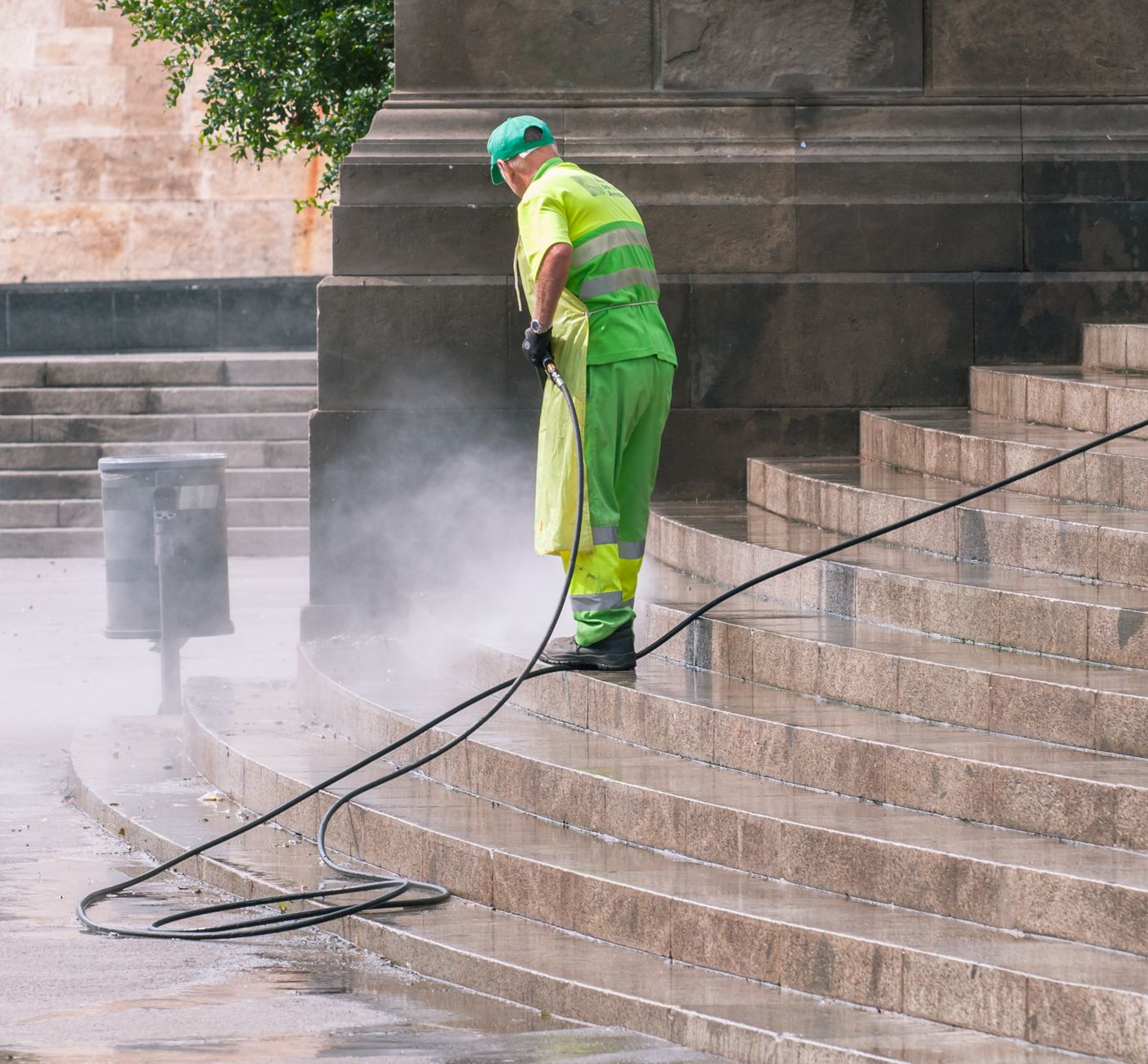
Once a week, somebody at your shop stops doing paid work and resets the place. The floor gets swept and then pressure-washed. The tools get wiped down and hung back on their outlines. The bins get sorted, the bench gets cleared, and the drain gets cleaned out.
You think of it as the cost of doing business. Nobody films it, because nobody films chores.
Meanwhile, a huge number of people are on their phones right now watching a stranger pressure-wash a driveway they will never see. They watch it to the end. Then they watch it again. Your weekly reset is that exact video, and you throw it away every single week.
Why People Watch Strangers Clean Things
Cleaning videos work because they have a built-in ending. Something starts dirty and finishes clean, and the brain wants to see the finish. That pull is why people sit through ninety seconds of a rug getting scrubbed when they would skip a ninety second ad in two.
There is also visible progress on every frame. The pressure washer cuts a stripe through the grime, and the line between clean and dirty shows up instantly. Every pass is a tiny reward, and the viewer keeps watching for the next one.
And it is calm. Most of what people scroll past is somebody yelling, selling, or arguing. A tool wall getting wiped down one wrench at a time is a break from all of that, which is why these clips get saved and rewatched instead of skipped.
What Your Customers Actually See In It
You see a chore. Your customers see the answer to a question they never say out loud, which is whether you are going to take care of their stuff.
A mechanic with a spotless bay is a mechanic who is not leaving grease on your seat. A groomer who scrubs down every table at close is a groomer who is careful with your dog. A contractor whose trailer is organized and whose tools are wiped down is a contractor who will not leave a mess in your kitchen.
You never have to make that argument. The video makes it for you. People judge how you will treat their job by how you treat your own space, and cleaning footage is the most direct evidence you can hand them.
It also separates you from everybody else in your trade. Your competitors post the finished job, same as you. Almost none of them post the reset, so the one who does looks like the only one who cares.
The Reset Shots Worth Filming Every Week
Walk through your own cleaning routine and you will find a whole list of clips sitting in it. The pressure-wash is the obvious one and the strongest, especially from a low angle where the clean stripe moves toward the camera.
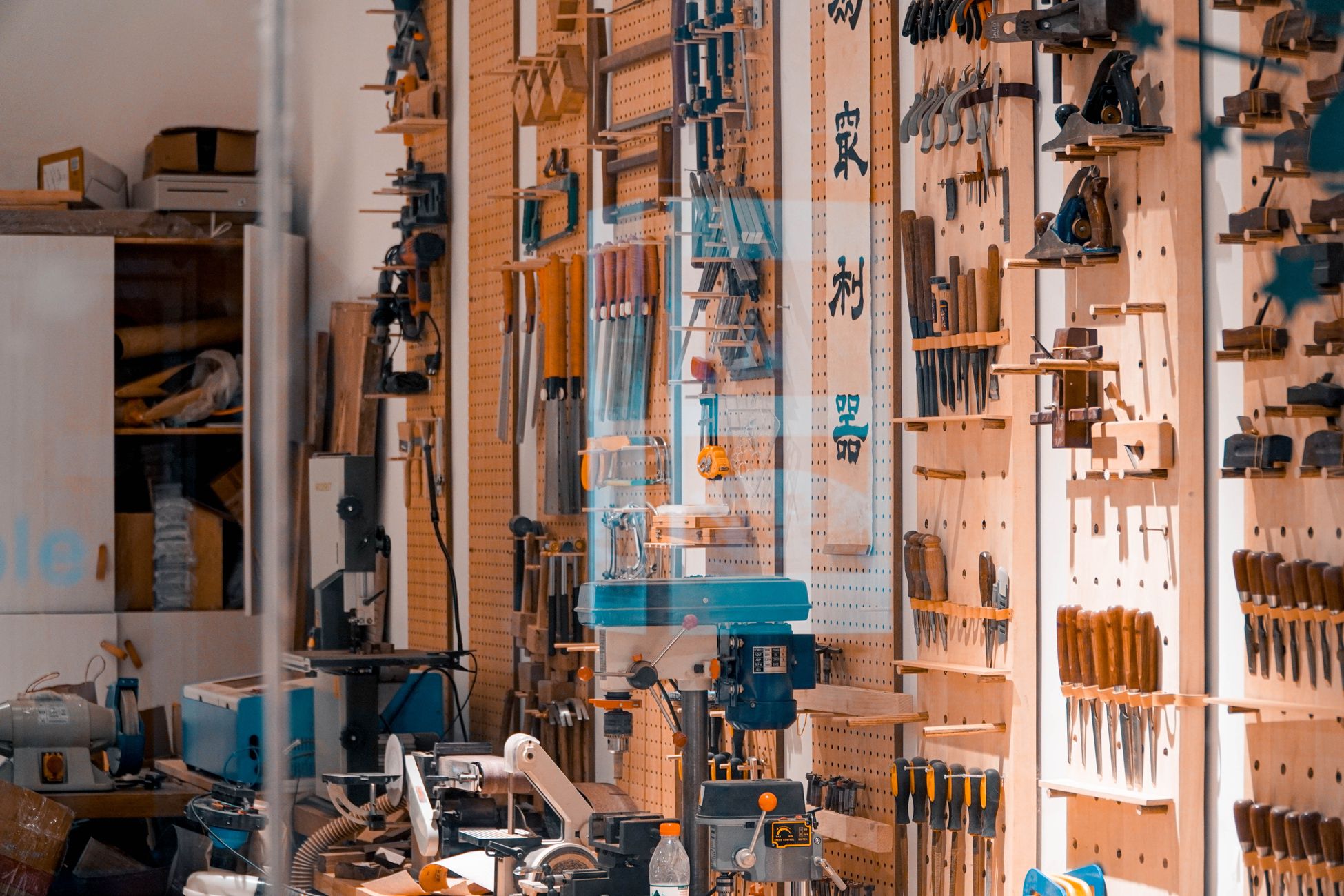
The tool wipe-down is next. Hands, a rag, a row of tools going from dusty to clean and back onto the wall. Shadow boards and labeled drawers are especially good, because watching every tool snap back into its exact spot is the most satisfying moment in the whole routine.
The reorganize is its own clip. Dumping a bin of mixed hardware, sorting it into compartments, labeling it. The parts shelf before and after. The bench going from buried to bare.
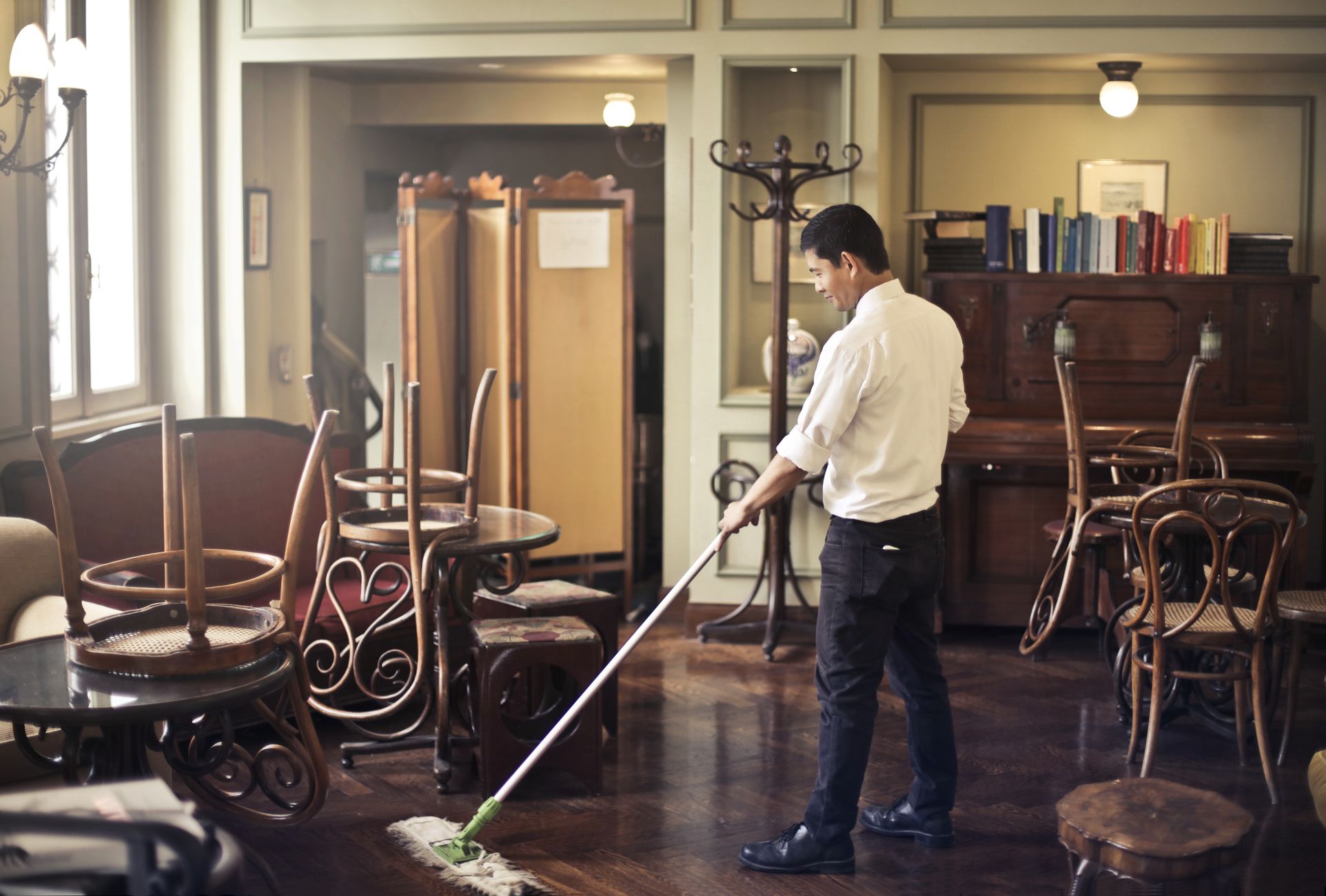
Then the small stuff: squeegeeing the floor toward the drain, emptying the shop vac, degreasing the lift, folding the clean towels. Each one is fifteen to thirty seconds, and none of them need a word of talking.
How One Cleaning Day Splits Across Seven Feeds
A single reset produces more usable footage than most of your job videos, because so much of it happens in clean, repeatable motions.
The short cut goes to TikTok, Reels, and Shorts. One process, start to finish, sped up where it drags and real-time where it is most satisfying, no voiceover. The pressure-wash stripe or the tool wall filling back up, under thirty seconds, built to loop.
The longer cut goes to YouTube. The full reset, ten or fifteen minutes, with a little narration about why you do it weekly and what products you use. There is a real audience that puts these on in the background, and it is exactly the video a person watches while deciding whether your shop is the one to hire.
Facebook gets the local framing. Friday reset at the shop, this is the bay your truck rolls into on Monday. Your neighbors and past customers see it, and it reminds them you exist without asking them for anything.
Reddit gets the written detail. Your cleaning schedule, the degreaser that actually works, how you laid out the shadow board. Trade subreddits and cleaning communities both love that kind of practical breakdown, and they come back with questions.
Rumble takes the long version to an audience that is not on the other apps.
One afternoon of cleaning you were doing anyway. Six or seven assets. Seven feeds.

A Weekly Chore Is A Weekly Post
Most operators post in bursts because they think every post needs a reason. A big job finished, a new truck, a holiday. Those reasons show up whenever they show up, so the posting does too.
Cleaning day has no such problem. It happens every week whether anything interesting happened or not. That gives you a fixed slot on the calendar where content is guaranteed to exist, and consistency is the thing every one of these platforms rewards.
It also builds a series. Viewers who liked last week's pressure-wash come back for this week's. After a couple of months, the Friday reset becomes a recognizable thing your account does, and recognizable is how a stranger turns into a follower.
The Part That Makes People Quit
Filming is easy. Lean the phone against a shelf, hit record, and clean like you were going to anyway.
The trouble starts after. That footage has to become a short cut, a long cut, a Facebook post, and a Reddit write-up. Then each version gets resized, captioned, titled, and uploaded to seven different apps, each with its own format and its own upload screen. That is an evening of work stacked on top of a full day of work.
So it happens twice, and then it stops. Not because the videos flopped, but because nobody running a shop has a spare evening every week to sit at a laptop dragging files into seven windows.
Take that manual part off your plate and the cost of cleaning day content drops back to what it should be, which is a phone leaning on a shelf while you do a job you were already doing.
How To Film It Without Slowing The Clean Down
The rule is simple. The camera works around the cleaning, never the other way around. If filming makes the reset take longer, you will stop filming.
Set up two angles and leave them alone. One wide shot of the whole bay so the time-lapse shows the space transforming, and one close shot on whatever is most satisfying, usually the pressure-wash or the tool wall. Then forget about them and clean.
Keep the sound. The hiss of the washer, the scrape of the squeegee, the clink of a wrench going back on its hook. That audio is half of why these videos work, so do not bury it under music.
Hit record before the first pass. The before is what gives the after its punch, so the camera needs to be rolling while the floor is still at its worst.
Prop Your Phone Up This Friday
Whenever your shop does its reset this week, lean your phone against something and record the whole thing. Do not narrate, do not plan shots, do not change the routine. Clean the way you always do.
Then get that footage onto every platform where your next customer is already watching somebody else clean something.
You have been making the most satisfying video in your trade every week for years. The only thing missing is the part where anybody sees it.
