
How To Turn One Long Form Video Into Thirty Posts Without The Content Feeling Thin
There is a specific complaint creators have when they hear the words "content repurposing." They picture a single video chopped into thirty almost-identical clips, all dropped onto every platform, all feeling like leftovers. That is not what repurposing should look like, and when it does look like that, it earns the bad reputation it has. Done correctly, one long-form video becomes thirty genuinely distinct pieces of content, each one designed for the platform it lives on, each one giving the audience something useful on its own. The viewer who only sees one of the thirty gets value. The viewer who sees five of them gets a deeper understanding of the same topic. Nothing feels thin if you structure the repurposing right.
This post is the actual playbook. Not the vibey "make sure it feels native" advice you have seen a hundred times. The specific way to take one piece of long-form content and turn it into a month of distribution without losing quality. Multipost Digital handles the platform-specific posting for repurposed content so you can focus on the cut, not the upload schedule
The thirty number is not arbitrary. Most creators will discover they can pull more than that out of a single solid hour of long-form. The constraint is rarely material. The constraint is usually energy and process. Both of which are solvable.
Start With Content That Is Worth Repurposing
The first rule that nobody says out loud is this. Repurposing only works when the source material has actual substance. A surface-level long-form video produces surface-level clips. A weak podcast episode produces weak Threads posts. The math of repurposing is multiplicative, but the multiplier works in both directions. Good source content becomes great distributed content. Mediocre source content becomes mediocre noise on seven platforms.
This means the first move is not to chop your existing weak videos. The first move is to make one genuinely substantive long-form piece. A 45 to 60 minute podcast where you actually go deep on something. A 20 minute YouTube video where you teach something thoroughly. A 30 minute interview where the guest actually gets pushed past their canned answers.
If the source piece has three real insights, six good stories, and a handful of strong quotable lines, you have plenty of material. If the source piece is just vibes and surface-level takes, no amount of editing will turn it into thirty good posts.
The First Pass: Identify The Raw Material
Watch or listen to your source piece with a notepad open. You are looking for specific things.
Quotable lines. Sentences that stand on their own as a tweet, a Threads post, or an Instagram carousel slide. You want short, punchy statements that make a claim or capture an insight. A good hour of content will have 10 to 20 of these.
Stories. Specific moments where you or your guest told a story. These are the source material for one to two minute clips. You want stories with a clear beginning, middle, and end that work without the surrounding context. An hour of content will have 3 to 6 of these.
Lessons. Sections where you or your guest explained how to do something or why something works. These become 30 to 90 second teaching clips. An hour of content will have 5 to 10 of these.
Hot takes. Moments where someone took a clear position on something. These work well for text-first platforms because they spark conversation. An hour will have 4 to 8.
Visuals. If there is a screen share, a whiteboard, a product demo, anything visual, those frames become Pinterest pins, Instagram carousels, or thumbnails. An hour will have 5 to 15.
Add this up and you are looking at 25 to 60 distinct raw items from one hour of source content. Plenty of inventory to build a month or two of distribution from.
The Second Pass: Match Each Item To A Platform
This is the step most creators skip and it is the reason repurposed content feels lazy when they do. Each raw item gets matched to the platform where it will perform best, not just dumped onto every platform.
Quotable lines go to Threads and Twitter or X first. They might also work as Instagram carousel slides or as graphic posts on LinkedIn. They do not work as standalone TikTok or Reels videos.
Stories go to TikTok, Reels, YouTube Shorts, and Facebook Reels. The visual short-form platforms reward narrative content. They might also work as LinkedIn native videos if you frame the story around a professional lesson.
Lessons go to YouTube as Shorts or as part of longer compilations. They also work well on Pinterest with a strong text overlay. LinkedIn likes lesson-based content too.
Hot takes go to Threads, LinkedIn, and Reddit in the right subreddit. They also work as the hook for a longer Reel or TikTok if you can stretch them to 30 seconds.
Visuals go to Pinterest first because Pinterest is where they will compound for years. They also work as Instagram posts, LinkedIn carousels, and thumbnails for the YouTube version.
By the end of this matching, you have something like 25 to 40 individual pieces of content, each one designed for the platform where it will perform best. None of them are the same as another one. Each one stands on its own.

The Third Pass: Edit For The Format
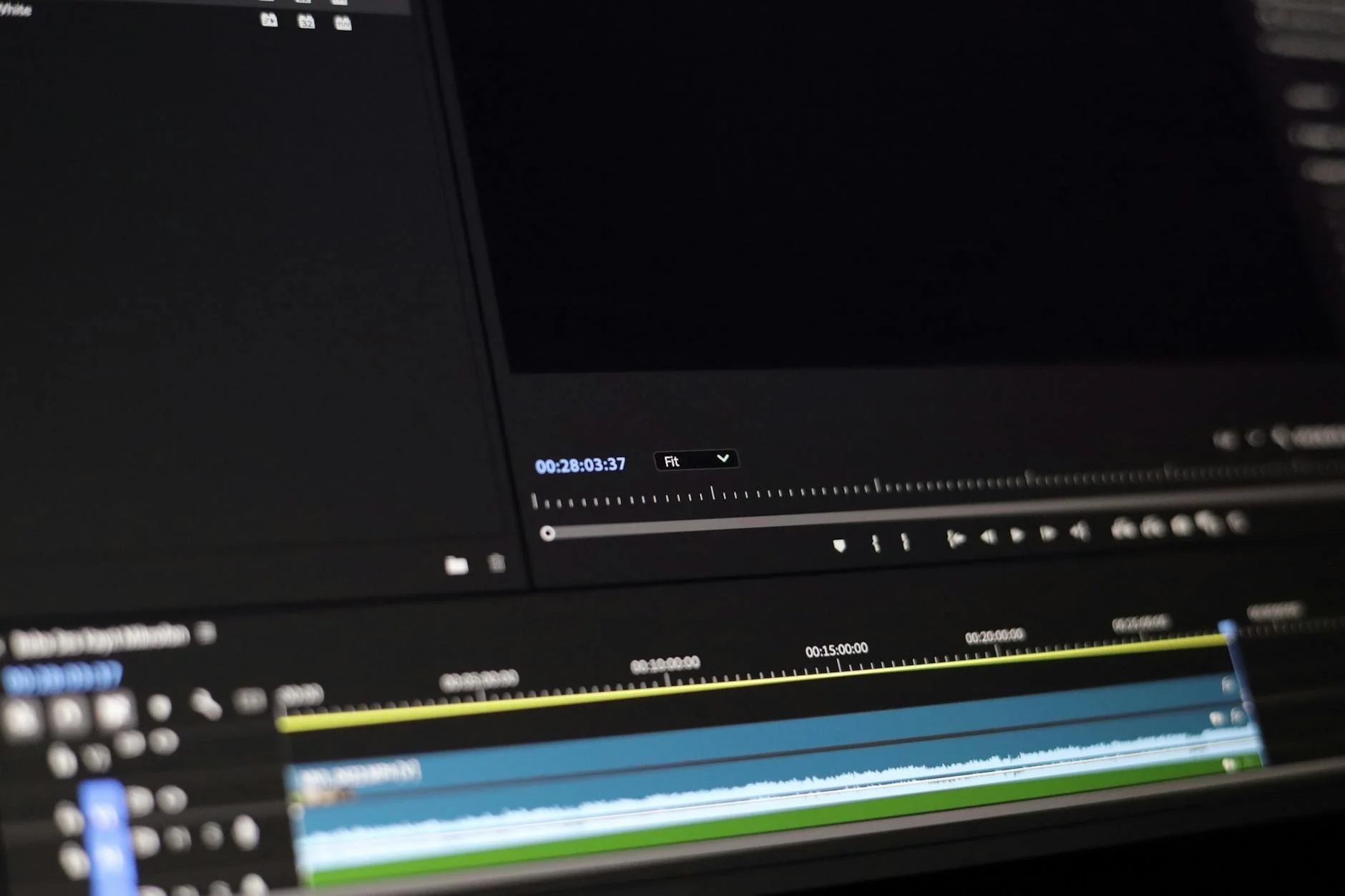
Each clip and each piece needs to be edited for the platform it is going to. This is where the work is, and where the difference between thin and substantive repurposing actually shows up.
A vertical clip for TikTok needs a hook in the first one to three seconds. The interesting line should not happen 15 seconds in. Cut the lead-in. Start with the punch. Add captions, because most viewers watch with sound off. Trim to the cleanest possible version of the moment.
A horizontal version for YouTube Shorts can be the same clip but with slightly different pacing because YouTube viewers are slightly more patient and trained to give videos a few seconds to develop.
A LinkedIn native video can be the same content but with a more substantive first frame and a slightly more professional caption that frames it in business terms.
A Threads post might just be the transcript of the best line, formatted with line breaks for emphasis. No video needed. Just words.
A Pinterest pin is a still frame from the video with strong text overlay describing what the lesson is. The text does the work because Pinterest users scan visually.
A Reddit post might be the lesson written out in long form, posted to the right subreddit, with the video link embedded for those who want more.
Same source. Wildly different finished pieces. That is the whole game.
The Fourth Pass: Schedule For Spacing
A common mistake is to post all the repurposed pieces in the first week after the source video drops. That dilutes everything because your audience sees too much from one source at once and the long tail of the platforms does not get fed.
Better approach is to spread the repurposed content over four to six weeks. A piece every couple of days across all your platforms. The source video drops on YouTube on day one. Two short clips go up that week on TikTok, Reels, and Shorts. Two Threads posts go out. A Pinterest pin gets scheduled. A LinkedIn post follows. The next week, another wave. And so on for a month or two.
This pacing keeps your feeds active without overwhelming any single audience. It also means a single hour of source content is feeding your distribution for weeks, not days.
Why This Approach Does Not Feel Thin
The reason this works without feeling thin is that each piece is genuinely standalone. A viewer who sees only the Threads post gets value from that post. A viewer who sees only the TikTok clip gets value from that clip. A viewer who happens to encounter the Pinterest pin two years from now still gets value from the lesson on the pin. None of them are leftovers. They are individual products built from shared raw material.
The thin version of repurposing is when one video is uploaded to seven platforms with no editing, no context, no platform-specific framing. That feels lazy because it is lazy. It is also not what we are talking about.
The substantive version requires upfront thought and a willingness to actually edit. The reward is that one hour of source content becomes a month of multi-platform distribution that each piece of audience actually wants to engage with.
The Real Bottleneck
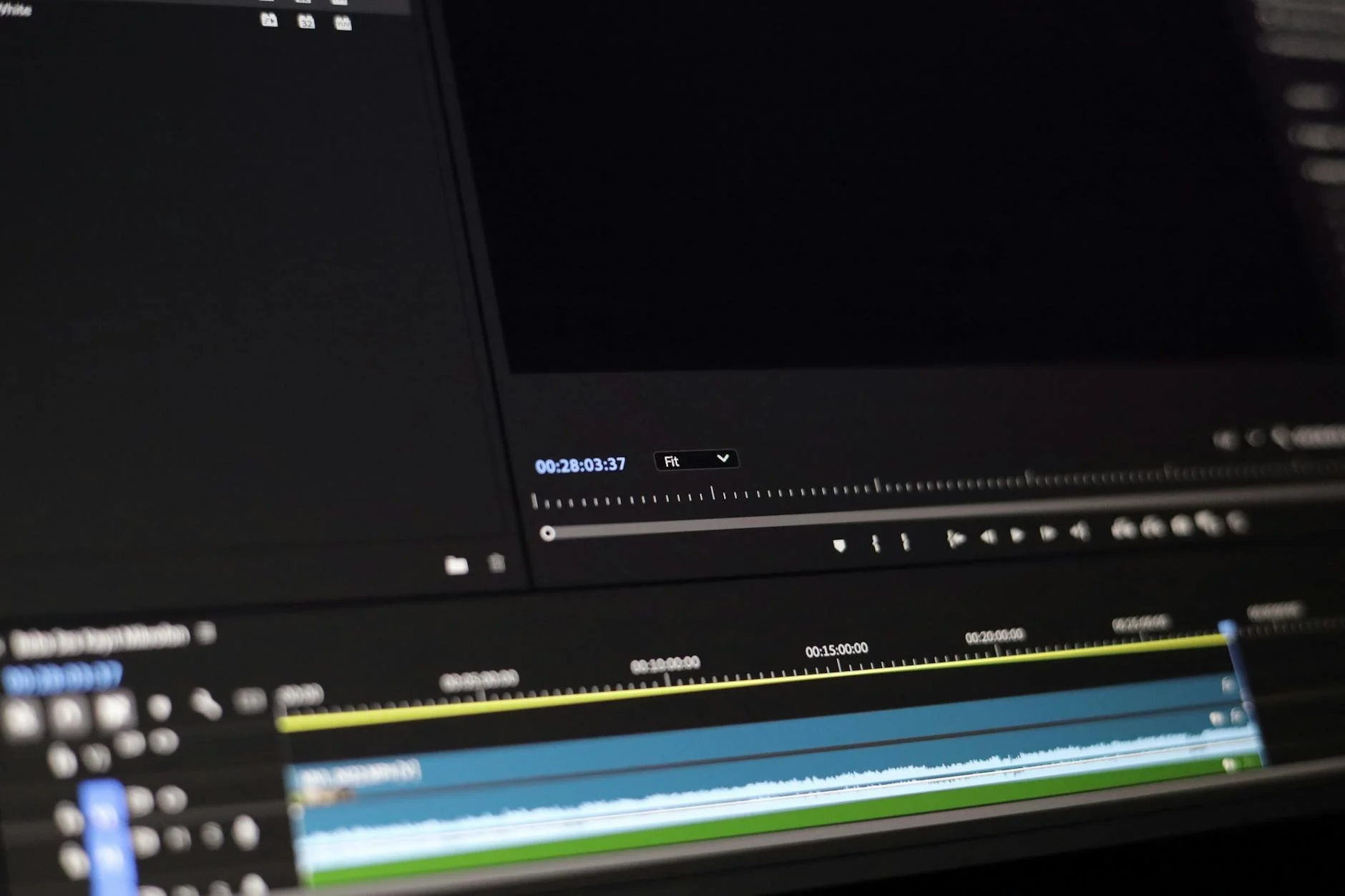
The bottleneck is not creativity. Most creators have plenty of raw material in their existing long-form content that they have never properly mined. The bottleneck is operational. The editing, the format matching, the platform-specific posting, the scheduling, none of it is hard creative work, but all of it is hours and hours of time per month.
This is where systems and services come in. Once the matching and editing approach is decided, the actual execution can be handed off. The creator stays in their zone of doing the long-form work. The operational layer handles turning that one hour into 30 distributed pieces.
The math works out very strongly in favor of doing this. A single hour of long-form content, properly repurposed and distributed, can drive more total reach than 30 hours of platform-specific original content. The leverage is real. The only thing in the way is having a system to make it happen consistently.
