
You Bought A Better Camera To Fix A Distribution Problem
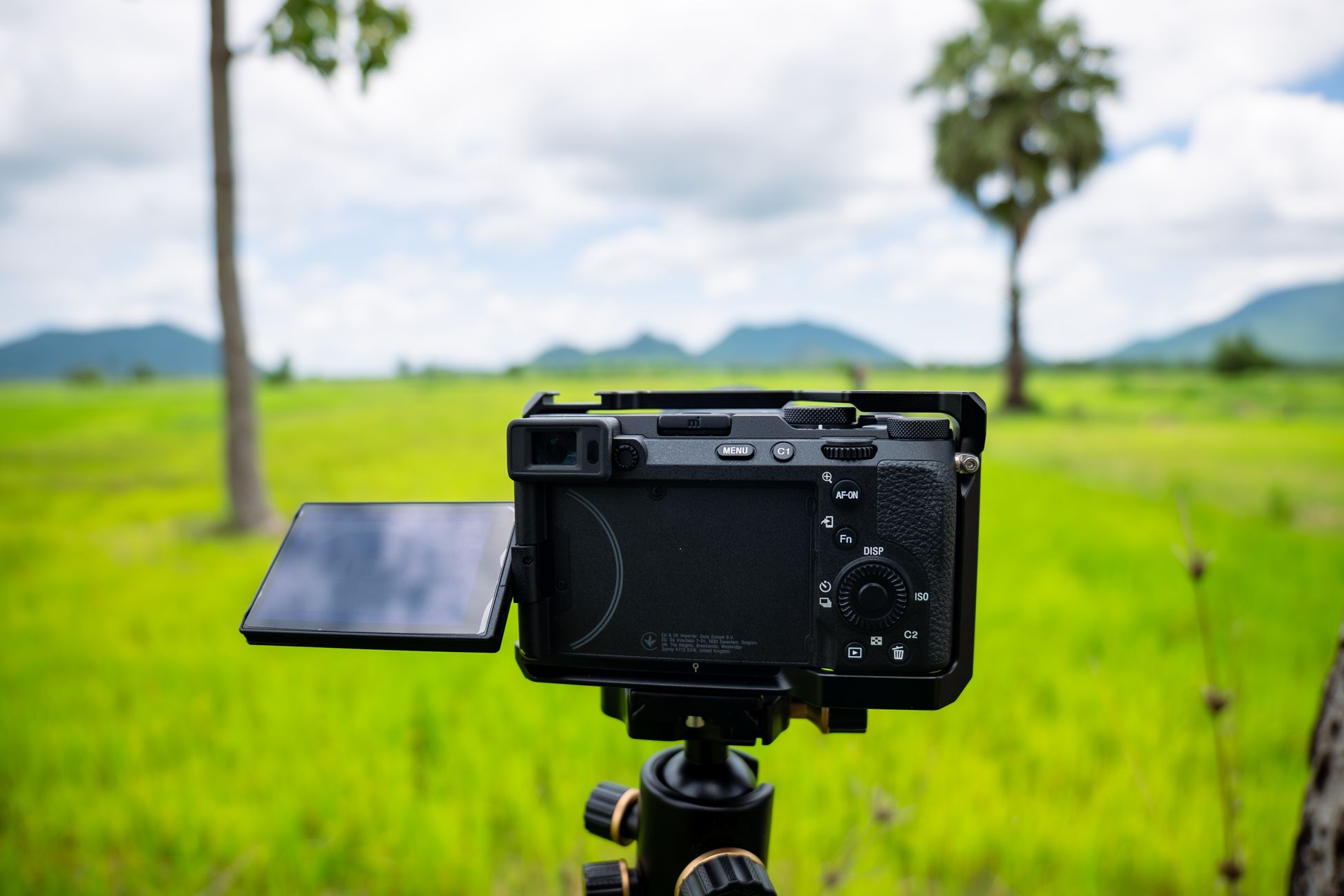
The new camera arrived and it is genuinely better. Cleaner low light, real depth of field, audio that does not sound like a phone in a hallway. You watched the first clip back and felt something you have not felt in a while about your own content, which is pride.
Then you posted it in the same one place you post everything, and it did roughly what your phone videos do. Maybe slightly better. Not two thousand dollars better.
This is one of the most common purchases in small business marketing, and it is almost always solving the wrong problem. Not because gear does not matter, but because gear improves the part of the equation that was already good enough, while the part that was actually limiting you stayed exactly the same.
Production Quality Has A Ceiling And You Were Already Near It
There is a real threshold in content quality. Below it, people scroll past because the video is hard to watch. Shaky, dark, muffled, unreadable text. Above that threshold, additional quality produces very small returns on a phone screen.
Most people who buy a camera were already above the threshold. Phone video in decent light with clear audio clears the bar. Going from that to a mirrorless setup with a lens kit moves you from acceptable to nice, and nice does not change how many people see the video.
Watch what actually happens in feeds. Content shot on phones outperforms content shot on cinema cameras constantly, in every category. The winning variable is not resolution. It is whether the thing being said is worth hearing, and how many people got the chance to hear it.
The Math Nobody Runs Before Buying Gear
Run the numbers on your camera purchase like it is any other business investment.
You spent two thousand dollars, plus whatever you spent on a lens, a mic, a light and a card. Call it three thousand. That equipment improves the visual quality of every video you make from here forward, in one feed, for the same audience you were already reaching.
Now imagine that three thousand dollars had gone toward making sure every video you already own reached six additional platforms instead. Same content, same quality, six more audiences. One of those is TikTok, where discovery is still the fastest available. One is YouTube, where the video is searchable for years. One is Facebook, where your local buyers actually are. One is Reddit, where people ask questions your video answers.
The camera multiplies quality on one channel. Distribution multiplies audience across seven. Only one of those is a multiplier on a number that was actually holding you back.
The Trap Of Feeling Productive
Buying equipment feels like progress in a way that fixing distribution does not. There is a box. There is a setup day. There is a noticeable difference in the first clip. Your brain files it as forward motion.
Setting up publication to seven platforms produces no such moment. Nothing arrives. Nothing looks different when you play the video back. The only thing that changes is a number in an analytics tab three weeks later.
So people default to the purchase that feels like action. Then, when results do not move, they conclude they need to get better at content, which leads to a better microphone, then an editor, then a course on hooks. Every step improves the input while the bottleneck stays untouched.
Your New Camera Made The Distribution Problem Worse
Here is the part that stings. Better gear usually reduces how much you publish.
Phone video is fast. You shoot it, trim it, post it. The new camera adds steps. Transferring cards, color correcting because the flat profile looks washed out, syncing separate audio, exporting for a while, and now you care more about how it looks so you are more willing to shelve something that came out imperfect.
Your output drops. Your standards rise. Content that would have gone up as a rough phone clip now waits for an editing session that happens on a good week. And because the bar is higher, you are even less inclined to spend an hour manually uploading each finished piece to six other places.
You bought a tool that increased the cost of every post while the number of destinations stayed at one.
What A Camera Cannot Do
Be clear about what better equipment can and cannot buy you.
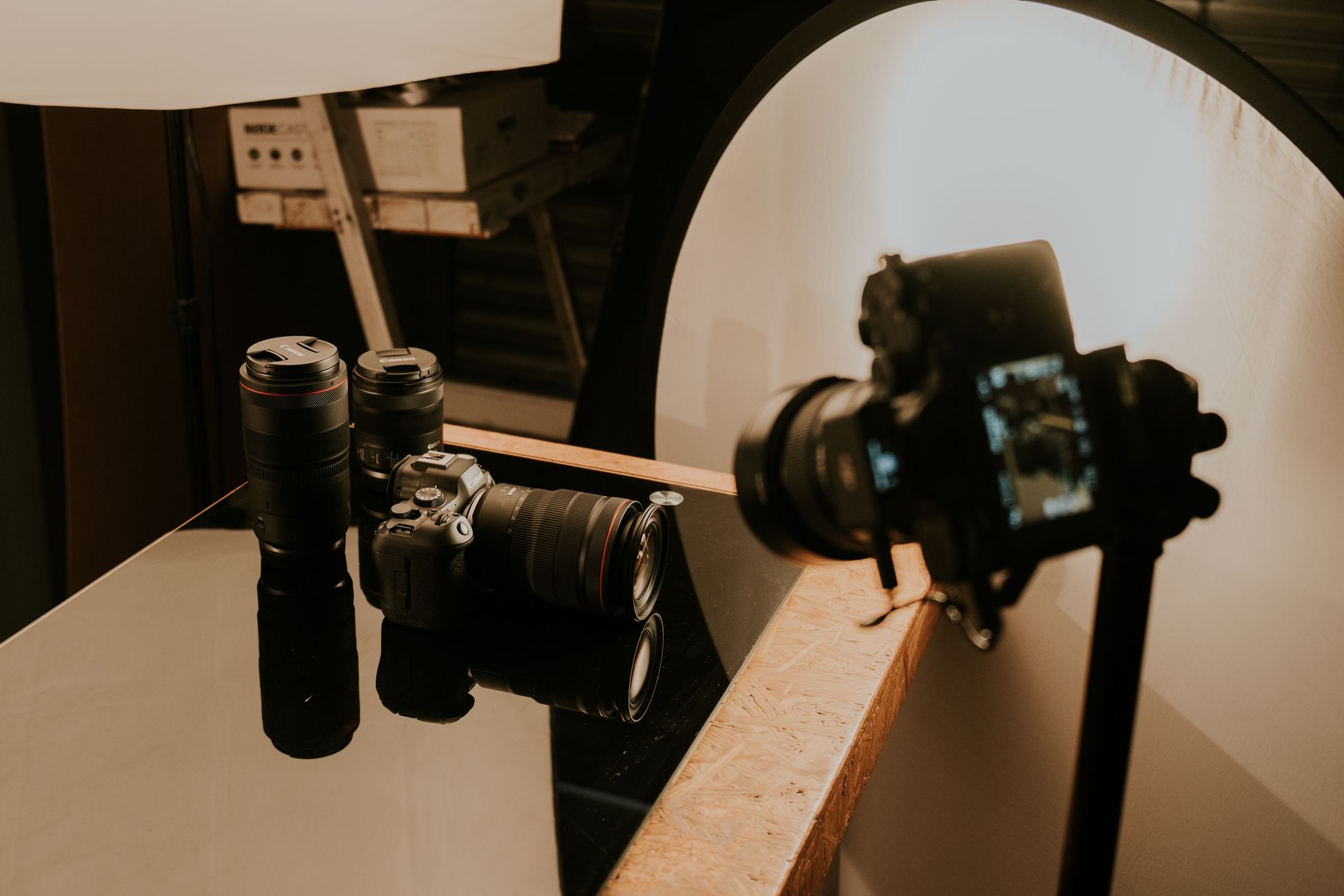
It can make somebody who already found you take you slightly more seriously. It can help on a landing page or in an ad where production quality signals scale. It can make you enjoy the process more, which is not nothing, because people who enjoy filming film more often.
It cannot put your video in front of somebody who does not follow you. It cannot make a piece searchable in a place where you never uploaded it. It cannot get you discovered by an audience on a platform you are not on. Those are all distribution functions, and no lens performs them.
The gap between two hundred views and twenty thousand views is almost never a gear gap. It is a coverage gap.
Use The Camera, Fix The Real Constraint
None of this means return the camera. Keep it. Use it. Nice looking content is a small edge and small edges add up.
Just stop expecting it to solve the thing it was never able to solve, and put equal effort into the unglamorous half. Every video that comes off that camera should reach TikTok, YouTube, Instagram Reels, Facebook, Rumble and Reddit, in the right format for each, without you spending your evening on uploads.
That is when the camera investment finally pays off, because now the improved quality is being seen by seven audiences instead of one. Gear plus coverage beats gear alone by a wide margin, and coverage alone beats gear alone by a wider one.
The Honest Order Of Operations
If somebody asked you where to spend the next dollar on content, the order is not complicated.
First, make sure whatever you produce reaches every platform where a buyer might be. That is the step with the largest available upside and it does not require you to make anything new.
Second, publish more often. Frequency beats polish in every feed on the list.
Third, improve what you are saying. Better stories, clearer points, tighter openings. This is free and it moves results more than equipment does.
Fourth, and only then, upgrade the camera. By that point you have a real content operation and better gear compounds across a system that already works.
Most people run that list backwards, starting with the purchase and never arriving at step one.
Post Once, Land Everywhere
You have a better camera than you had last year and roughly the same reach. That is the whole diagnosis. Quality went up, coverage stayed at one, and coverage was the variable.
Multipost Digital handles publication across 7 or more platforms so the footage you are now proud of gets seen by everybody it could reach, not just the audience you already had before you bought the thing.
