
The Real Reason Your Content Dies After 48 Hours (And How to Stop It)
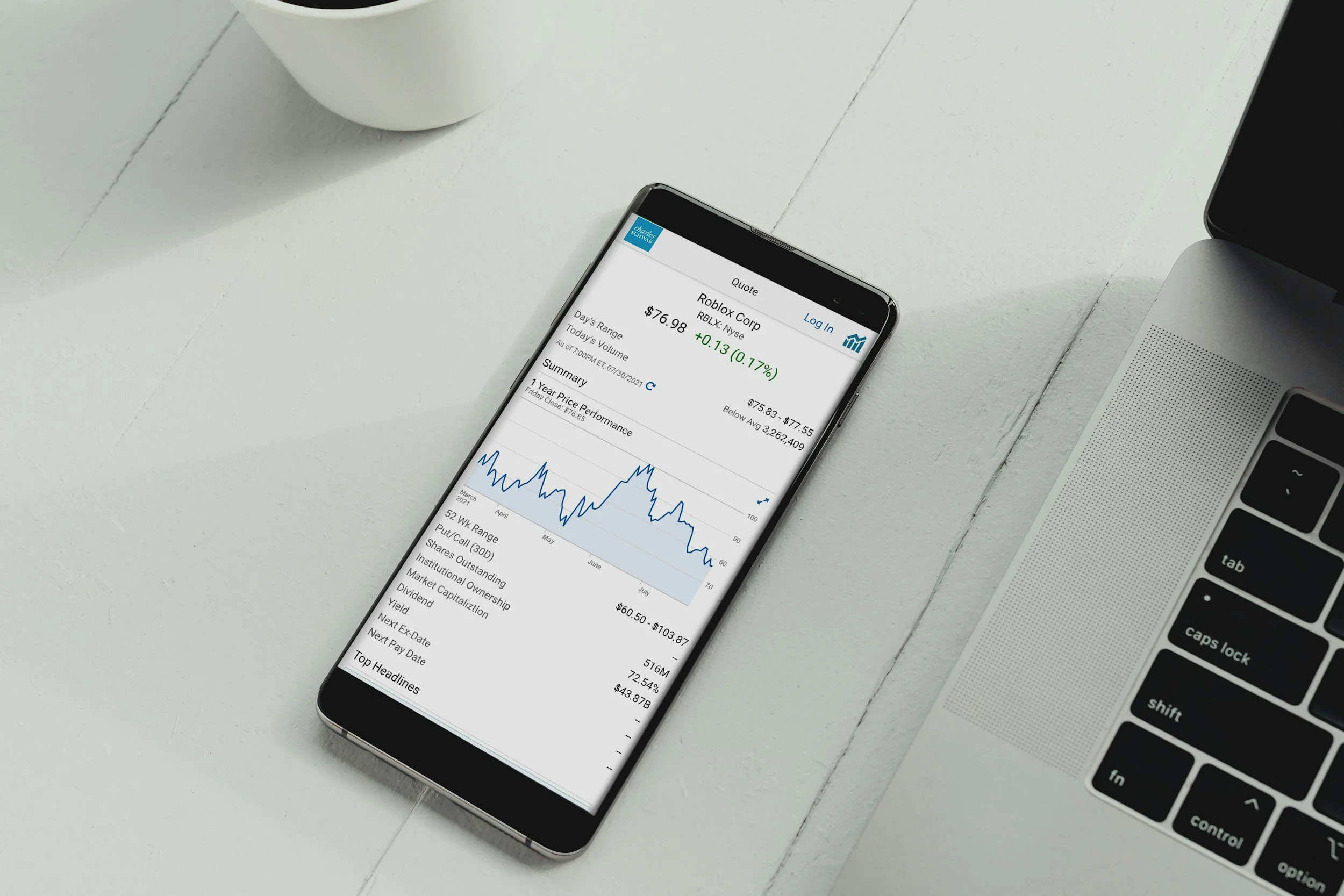
You spent hours on that video. You scripted it, filmed it, edited it, agonized over the thumbnail, wrote the caption, picked the hashtags, and finally hit publish. It got a decent spike of views in the first day or two. Then nothing. Crickets. The algorithm moved on, your audience moved on, and that piece of content you poured yourself into is now buried somewhere in the feed graveyard where good content goes to die.
Sound familiar? This is the reality for the vast majority of creators, brands, and business owners who are putting out content online right now. And the frustrating part is that most people blame themselves. They think the content was bad, or the hook wasn't strong enough, or they posted at the wrong time. But here's the truth: the content probably wasn't the problem. The strategy was. If you're ready to stop watching your content die and start building a presence that actually compounds over time, check out how Multipost Digital works and see what a real multi-platform strategy looks like.
The fix is simpler than you think, but it requires a mindset shift about what content is, where it belongs, and how long it should actually work for you. Let's get into it.
Why the 48-Hour Content Death Cycle Happens
Every social media platform runs on an algorithm. And every algorithm has one job: keep people on the platform as long as possible. To do that, algorithms constantly serve up fresh content to users. That means older content gets deprioritized fast, usually within 24 to 72 hours of being posted.
When you post exclusively to one platform, you are entirely at the mercy of that platform's algorithm. If it doesn't pick up traction quickly, whether through likes, comments, shares, or saves, the algorithm assumes the content isn't worth pushing and it stops showing it to new people. The window slams shut. Game over.
This isn't a flaw in your content. It's just how these systems work. The platforms are not designed to make your content last. They're designed to keep their own users engaged. Your content is just a vehicle for that mission, and once it's served its purpose in the short window of algorithmic favor, it gets left behind.
The problem is that most creators and brands have been taught to think platform by platform. You make a TikTok. Or you post a Reel. Or you upload to YouTube. One platform, one post, one shot at the algorithm. When that shot doesn't land, you're back to square one, scrambling to create something new all over again.
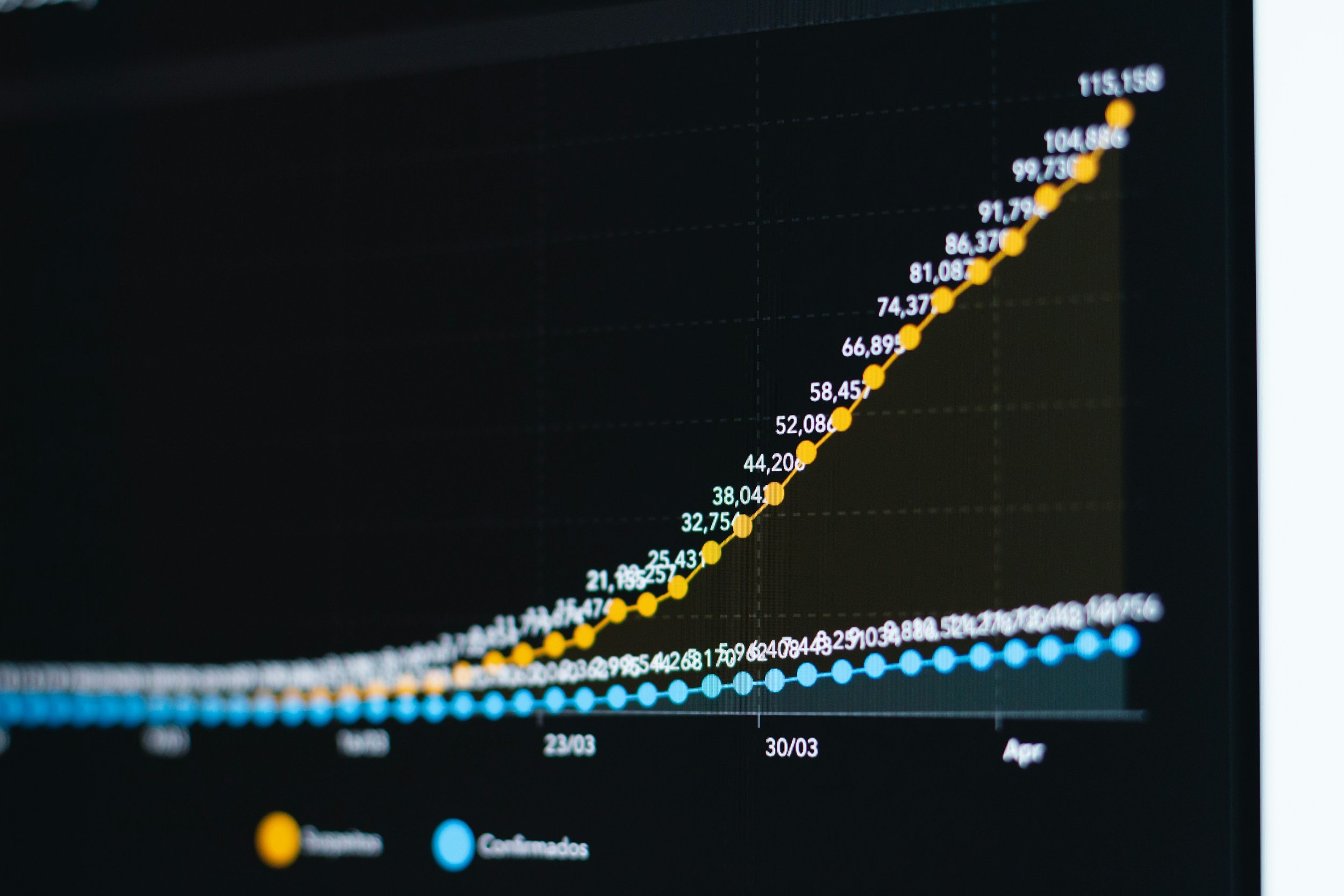
The Hidden Cost of Single-Platform Posting
Here's something most people don't talk about openly: the time cost of this approach is absolutely brutal.
Let's say you spend five hours creating a piece of content. You post it to Instagram. It gets some views in the first two days, then disappears. So next week, you do it all again. And again the week after. You're on a content treadmill that never ends, burning yourself out to keep up with a machine that doesn't care about you.
This isn't sustainable. Burnout rates among creators are sky-high for exactly this reason. And for business owners who are also trying to, you know, run their actual business, this kind of content churn is a nightmare.
The hidden cost isn't just time. It's opportunity. Every time you post something to one platform and let it die there, you are leaving reach on the table. You are leaving potential customers, followers, clients, and revenue sitting uncollected because that content never made it to the people on other platforms who would have loved it.
Think about your audience for a second. They are not all on the same platform. Some of them are scrolling TikTok during lunch. Some of them are watching YouTube videos on Saturday mornings. Some are browsing Reddit communities late at night. Some are on Facebook groups. Some are discovering content on Rumble. If your content only lives in one place, you are only reaching a fraction of the people who would genuinely benefit from it.
What Multi-Platform Posting Actually Does for You
When you post the same content across multiple platforms simultaneously, several things happen that completely change the game.
First, you immediately multiply your reach without multiplying your effort. The content you already created is now working in seven different places at once. Each platform has its own algorithm, its own audience, its own opportunity for your content to catch fire.
Second, you dramatically extend the life of your content. Different platforms have very different content lifespans. YouTube videos, for example, can rank in search and bring in views for months or even years after being posted. Reddit posts can generate traffic and engagement for days or weeks if they land in the right community. Pinterest pins can circulate for an incredibly long time. By distributing your content across platforms, you're not just getting more eyes on it now. You're building an asset that keeps working over time.
Third, you start to build an actual social media presence instead of just a presence on one app. There's a huge difference between having 10,000 followers on Instagram and having 10,000 followers spread across seven platforms. The second scenario means you've built a genuine audience that isn't dependent on one platform's algorithm, one platform's policy changes, or one platform's rise or fall in popularity. That's real digital equity.
Why Most People Don't Do This (And Why That's a Problem)
If multi-platform posting is so obviously effective, why aren't more people doing it? Simple. It feels complicated and time-consuming.
And honestly? If you're trying to manually manage posts across TikTok, YouTube, Instagram Reels, Facebook, Rumble, Reddit, and other platforms, it is complicated and time-consuming. You have to deal with different file requirements, different caption formats, different optimal posting times, different community rules, different best practices for each platform. It becomes a part-time job on top of your content creation, which is already a part-time or full-time job in itself.
This is exactly the problem that Multipost Digital was built to solve. Instead of you figuring out how to format your content for seven different platforms, managing the posting schedule, and keeping up with the nuances of each one, they handle all of it for you. You create the content. They make sure it gets everywhere it needs to go, consistently, professionally, and without you having to stress about it. Find out exactly how the process works here so you can stop doing this the hard way.
Content Repurposing: The Strategy That Changes Everything
Here's a concept that should fundamentally change how you think about content creation: every piece of content you make should have multiple lives.
A long-form YouTube video becomes clips for TikTok and Instagram Reels. Those clips get posted with slightly different captions on Facebook. The key points from the video become a Reddit post that drives discussion in a relevant community. The transcript gets turned into a blog post. And so on.
This is content repurposing, and it's the single most effective way to get more value out of every hour you spend creating. Instead of spending five hours to get two days of reach, you're spending five hours to get weeks of reach across a dozen different touchpoints.
The brands and creators who are genuinely winning right now aren't necessarily producing more content than anyone else. They're just distributing it smarter. They understand that creation is only half the equation. Distribution is the other half, and most people are completely ignoring it.
How to Stop the 48-Hour Death Cycle for Good
If you want to break out of the content graveyard cycle, here is what needs to change.
Stop thinking about where you're going to post and start thinking about how many places your content can go. Every time you create something, ask yourself: where else can this live? Who else could see this if it were in a different place?
Start building systems around distribution, not just creation. Your workflow should include posting to multiple platforms as a standard step, not an afterthought.
If you're a business owner or creator who doesn't want to spend your life managing seven different social media accounts, find a partner who specializes in exactly this. The time you save by not manually managing cross-platform distribution is time you can put back into creating better content, serving your customers, or just living your life.
The 48-hour content death cycle is not inevitable. It's a symptom of a strategy that was never designed to help your content survive in the first place. Multi-platform distribution is the antidote. It takes the content you're already creating and makes it work harder, reach further, and last longer.
You've already done the hard part by creating. Now make sure that work actually pays off. See how Multipost Digital can help you get your content on 7+ platforms without the headache and start building a presence that doesn't disappear after two days.
