
How to Film One Day a Month and Never Run Out of Posts on Any of Your Seven Platforms
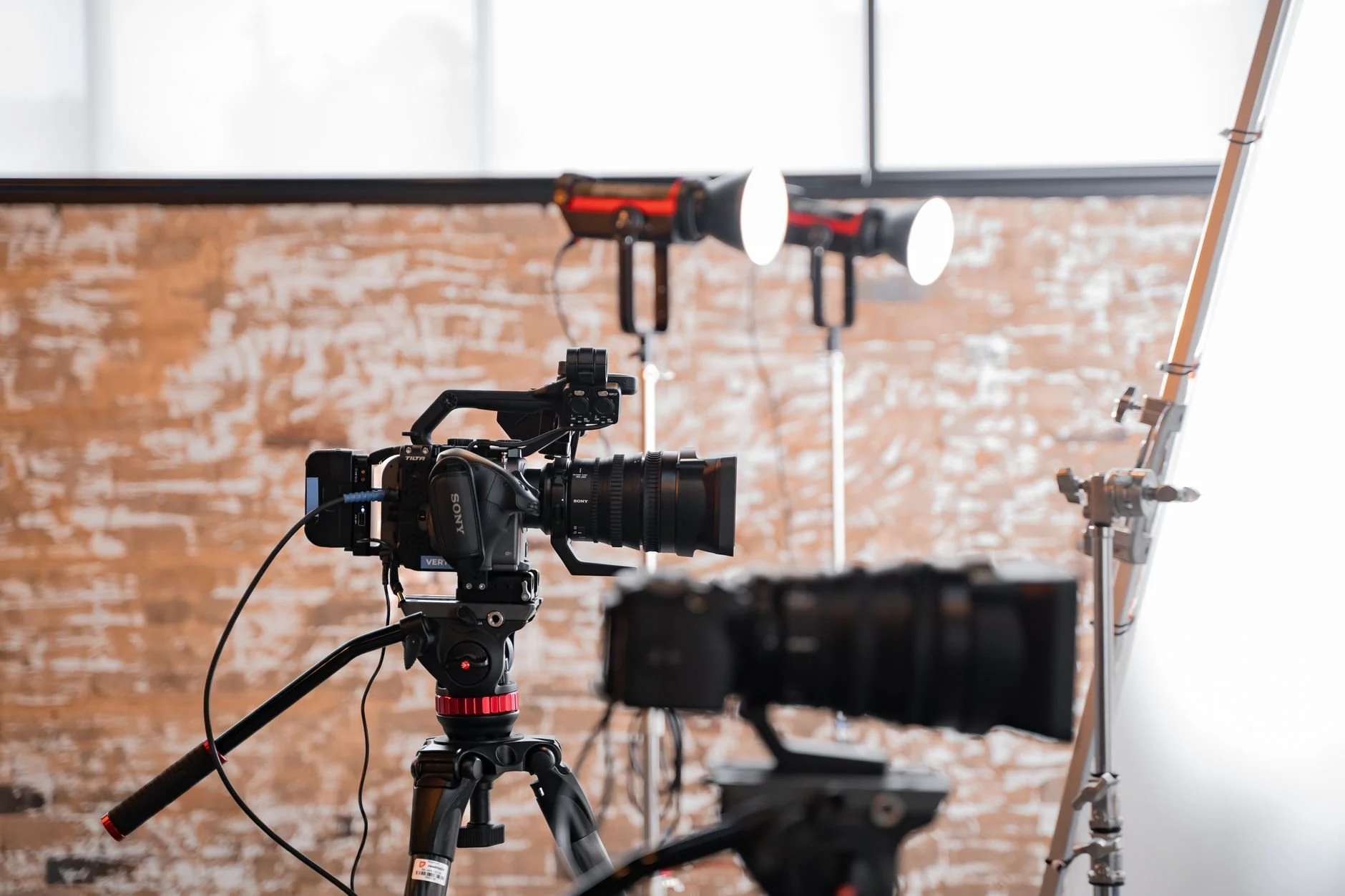
Most creators are stuck in a loop that quietly drains them. Film something, edit it, post it, watch the numbers, then wake up the next morning with nothing in the tank and the whole job starts over. That treadmill is the reason people burn out and quit before they ever build anything. The fix is not posting more often or filming more often. The fix is filming less often and posting more from each session. One focused day a month can fill four weeks of content across every platform you run, if you set the day up correctly.
This sounds like a stretch until you do the math on a single shoot day. Say you film for five hours. You are not making one video. You are making a bank. Twelve to twenty short clips, three or four longer pieces, a handful of talking-head answers to common questions, and a pile of B-roll you can slap under captions later. That is not a day of content. That is a month of content sitting on a memory card, waiting to be cut and scheduled. The people who never run dry are not more creative than you. They batch.
See how one shoot day turns into a full month of posts
The reason most creators never get here is that they treat every post as a separate event. New idea, new shoot, new edit, new upload, repeat. That model has a hard ceiling because your energy runs out before your ideas do. Batch filming breaks the ceiling because it splits the work into two clean jobs that never have to happen on the same day. One day you create. Every other day you cut and distribute. Those are different muscles, and forcing them into the same afternoon is why the treadmill feels so heavy.
Why One Filming Day Beats Twenty Small Ones
Context switching is the silent tax on creators. Every time you sit down to film a single video, you pay a setup cost. You find the light, fix the framing, get your energy up, remember what you wanted to say, fight the awkward first take. Do that twenty times a month and you have paid that setup cost twenty times. Do it once a month and you pay it once. The savings are not small. Creators who batch report cutting their total filming hours in half while doubling what they actually publish.
There is also a quality jump that nobody warns you about. By your fourth or fifth piece in a single session you are warm. You stop thinking about the camera. Your delivery loosens up, your hooks get sharper, and you start riffing ideas you never would have planned. The best clip of the month often comes from the back half of the shoot day, the part you would never reach if you only filmed one thing at a time. Momentum is a real asset, and a batch day is the only way to bank it.
The third win is calendar control. When a month of content already exists, a bad week stops being a crisis. You get sick, you travel, a client project eats your schedule, and none of it touches your posting. The content is already shot, already cut, already queued. Consistency stops depending on your mood or your free time, which is exactly what every algorithm rewards.
Planning the Shoot So You Walk In Loaded
A batch day fails when you show up without a plan and burn the first two hours deciding what to say. Spend thirty minutes the night before writing a simple shot list. Group your ideas by setup so you are not changing your shirt, your background, or your lighting fifteen times. Film everything that uses one look, then move to the next. This single habit can shave hours off the day.
Aim for a mix, not a monolith. Plan a few longer pieces that go deep on one topic, because those become your YouTube videos and your Reddit posts. Plan a stack of short, punchy answers to the questions your audience actually asks, because those become your TikToks and Reels. Plan a few pure hooks with no payoff in the first three seconds, because those test well and you can attach different bodies to them later. You are not filming content. You are filming raw material that gets shaped afterward.
Keep your phone or camera rolling between planned shots too. The throwaway lines, the side comments, the moment you explain something off the cuff to fix a take, those often outperform the scripted version. Capture loose, cut tight. The whole point of a batch day is to leave with far more than you think you need, so the editing phase has options instead of obligations.
Turning One Shoot Into Dozens of Posts
Here is where the month-from-a-day math becomes real. One ten-minute talking-head video is not one post. It is the long-form upload for YouTube, three or four vertical clips for TikTok and Reels, a square cut for Facebook, a Rumble upload, and a written breakdown for Reddit pulled straight from your own talking points. One filming setup, seven or more placements, and you have not filmed anything twice.
Now repeat that across every piece you shot. Twelve short clips, four long pieces, a dozen extra answers, plus B-roll. Run each one through the same multiplication and a five-hour day produces well over a hundred individual posts. That is not a content shortage. That is a content backlog, the good kind, the kind that means you could stop filming for two months and still post daily.
The trap most people fall into is doing this multiplication by hand. Cutting one video into seven formats and manually uploading each to a different platform turns your time savings into a new full-time job. The filming got efficient and the distribution got brutal. That is the exact gap that kills the batch strategy for people who try it solo.

Where the Distribution Actually Happens
This is the part of the workflow Multipost Digital is built to erase. You hand off one piece of content and it goes out across 7+ platforms, TikTok, YouTube, Instagram Reels, Facebook, Rumble, and Reddit, without your team ever touching the upload screens. The clip is reformatted for each platform, captioned, and pushed live where it belongs. You did the filming. You did the thinking. The mechanical part, the part that eats hours and produces nothing creative, gets handled. That is what makes one shoot day actually translate into a month of presence instead of a month of you sitting at a laptop reuploading files.
Hand off the posting and keep the creating
The Posting Cadence That Makes a Month Last
A backlog only works if you spend it slowly. Resist the urge to dump everything in the first week. Set a daily cadence and let your batch feed it. One or two posts a day across your platforms stretches a single shoot day comfortably across thirty days, and steady daily output is what builds the kind of audience that actually compounds. The algorithm wants to see you show up every day, and a month of pre-made content lets you show up every day without filming a single new thing.
Stagger your formats too. A long piece on Monday, short clips spread through the week, a Reddit post when you have a written angle, a Facebook video when the cut fits that crowd. Each platform gets fed on its own rhythm from the same source material. Your audience on TikTok never sees the same week as your audience on YouTube, and you are everywhere at once while only having worked one day for it.
The creators who look like machines, who seem to post constantly across every app, are almost never filming constantly. They filmed once, cut deep, and let a system handle the spread. That is the entire trick, and it is available to anyone willing to trade twenty scattered shoot days for one focused one and then get the distribution off their own plate.
