
Pinterest Sends More Traffic Per Post Than Instagram and Most Creators Don't Even Have an Account

Here is something that should make a lot of creators uncomfortable. A single Pinterest pin can drive more outbound clicks to a website than a Reel that hit 200,000 views on Instagram. Not because Pinterest is some hidden goldmine that nobody knows about. Plenty of people know. It is because the way most creators think about social media has been hammered into one shape, and that shape is short-form video on three or four platforms. Pinterest gets ignored, written off as a place for wedding boards and recipe inspiration, and the traffic it would have sent to you goes to someone else who bothered to show up.
That is the real story. It is not that Pinterest is secretly amazing. It is that the math on Pinterest is different from the math on every other platform, and that difference is exactly why it should be in your distribution stack. See how Multipost Digital posts your content across 7+ platforms including Pinterest so you stop leaving traffic on the table.
Most creators have been trained to chase view counts. View counts feel like the scoreboard. The problem is that view counts on Instagram, TikTok, and YouTube Shorts almost never translate into clicks. The platforms do not want them to. They want viewers to stay inside the feed. Pinterest is the rare social platform where the entire user experience is built around clicking out to another website. That is the whole reason the platform exists. People go there to find things they want to do, buy, build, cook, or read about, and then they leave.
Why Pinterest Behaves Nothing Like a Feed
Instagram, TikTok, and Facebook are feed platforms. Their job is to keep the user scrolling. Every link out is a leak in that experience, so the algorithms suppress posts that try to pull people away. You can post a beautiful Reel with a perfect call to action and watch the view count climb while your website analytics show nothing.
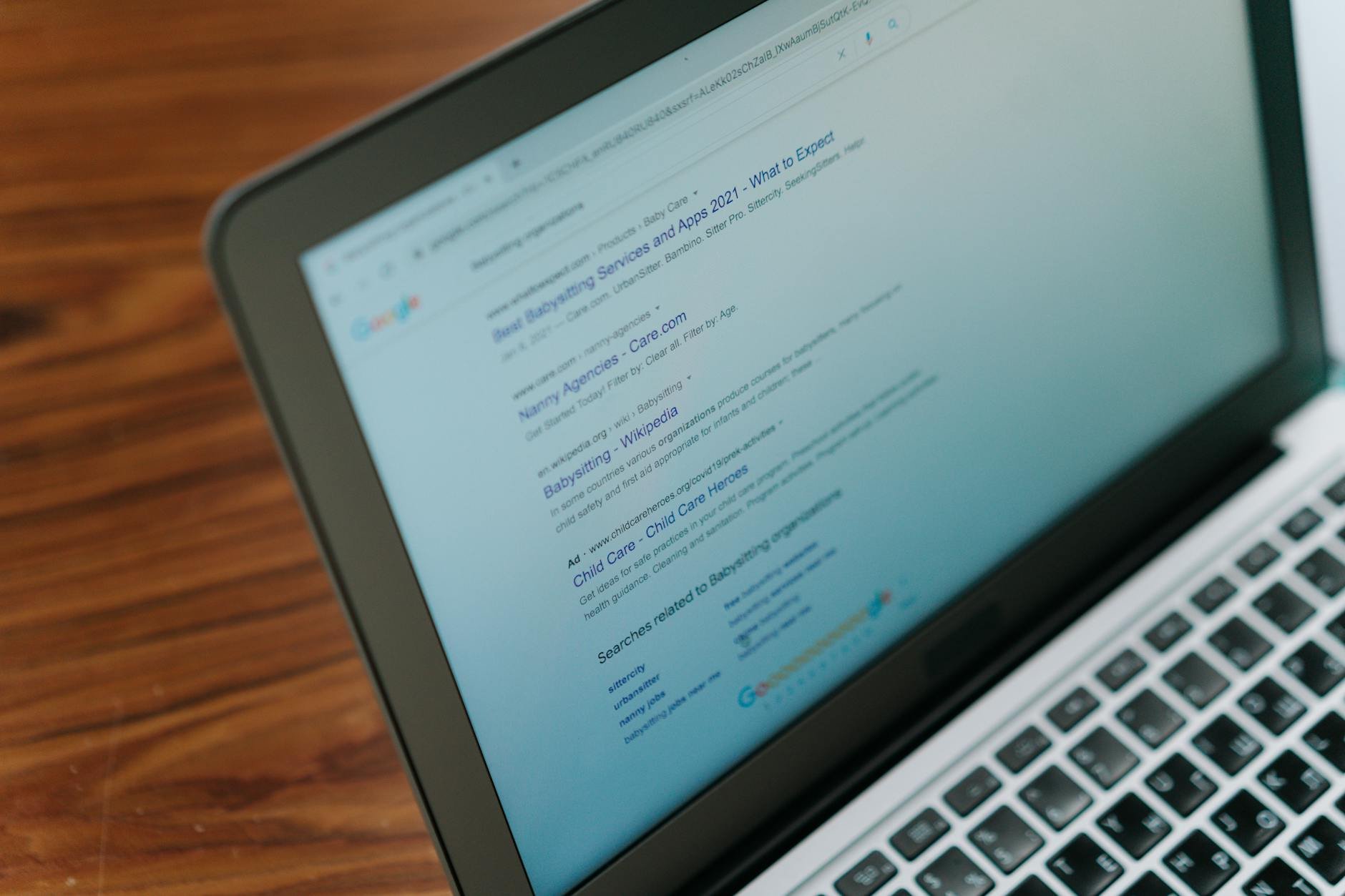
Pinterest is a search platform. People type in queries the same way they would on Google. They find a pin, they click the pin, and the pin sends them to the original source. The platform rewards this behavior because it is the behavior. There is no penalty for sending traffic away. There is a reward.
That single structural difference changes everything about what a "good" post looks like. On Instagram, a good post stops the scroll. On Pinterest, a good post answers a search query and earns a click. Most creators have never been told this, so they post Pinterest content the same way they post Reels and wonder why nothing happens.
The Long Tail Is the Real Lever
There is a second reason Pinterest punches above its weight, and it has to do with the lifespan of a post. A Reel has a half-life measured in hours. A TikTok has a half-life measured in days. A pin has a half-life measured in months. Some pins continue sending traffic three years after they were posted because they keep showing up in search results for the queries they were optimized for.
That is a fundamentally different return on a single piece of content. If you spend twenty minutes designing a pin and it sends you traffic for two years, the math on that twenty minutes is wildly better than the math on a Reel that disappeared after Thursday. You are not chasing the spike. You are building a library that compounds.
This is the part most creators miss when they say "I tried Pinterest and it didn't work." They tried it for two weeks. They posted ten pins. Nothing happened. They quit. But Pinterest does not behave like Instagram. The traffic does not arrive on day one. The traffic arrives on day ninety, and then again on day one hundred and twenty, and again on day three hundred. If you are not posting consistently and giving the platform time to figure out what your content is about, you are quitting before the compounding starts.
What Actually Works on Pinterest in 2026
The platform has changed a lot. Idea Pins came and went. Video pins are now first-class citizens. Search keywords matter more than they did three years ago. Vertical 2:3 ratio is still the format. None of this is complicated, but it does require a few specific habits.
First, the pin title and description need to read like search results. Not like Instagram captions. Pinterest wants to know what the pin is about so it can show it to the right person. Vague captions kill reach. Specific, searchable phrasing wins.
Second, you need to actually pin to the source you want traffic to. The most common mistake is pinning to a profile page or to a generic homepage. The pin should link to the exact piece of content the user is going to want when they click. If they are looking for a recipe, send them to the recipe. Not the homepage of your food blog.
Third, you need volume. Pinterest is not a one-pin-per-day platform. The top performers post five to fifteen pins a day. Most of those pins are not new content. They are different visuals pointing to the same underlying source. That is not spam. That is how the platform was designed to work. Different people respond to different visuals for the same idea.
If any of this sounds like a part-time job, that is because for most creators trying to do it manually, it is. Which is exactly why the people who win on Pinterest are usually the ones who automated the distribution and freed themselves up to focus on creating the source content.

Where Pinterest Fits in the Multi-Platform Stack
The mistake is treating Pinterest as a replacement for Instagram. It is not. It is a complement. Instagram is where you build the perceived brand. Pinterest is where you build the search traffic. YouTube is where you build the searchable video library. TikTok is where you get found by people who would never have heard of you otherwise. Each platform has a job. Pinterest's job is to send qualified buyers and readers to your website on a delay, forever.
When you stack Pinterest on top of the platforms you are already on, you are not adding a new content burden. You are unlocking a new traffic source that runs on content you have already made. A blog post can become a pin. A product page can become a pin. A YouTube thumbnail can become a pin. The asset already exists. The only question is whether you are taking the extra step to put it on the platform where the audience is searching for it.
Who This Is For, Plainly
If you sell anything, Pinterest probably belongs in your stack. Physical products, digital products, services, courses, ebooks, anything with a landing page. Pinterest sends the kind of traffic that converts because the user was actively searching for a solution when they found you.
If you publish content, Pinterest probably belongs in your stack. Blog posts, recipes, tutorials, guides, anything that lives on a website. Pinterest is one of the largest referral sources to long-form content on the open web, period.
If you are a pure entertainment creator with no website and nothing to send people to, Pinterest is less obvious. Even there, it can work for building brand awareness in adjacent search categories. But the highest leverage is for anyone with a destination off-platform.

The Honest Reason Most Creators Skip It
Pinterest does not feel exciting. There are no viral spikes. There is no clout. There is no comments section full of strangers calling you a genius. It is a quiet platform that quietly works in the background. For creators who are addicted to the dopamine of a viral hit, that is boring.
But boring is what most operators need. The creators who built real businesses on social did not get there because of one viral moment. They got there because they had multiple traffic sources running at the same time, each doing its own job, and one of those sources kept sending qualified buyers to their checkout page month after month after month. That is the role Pinterest plays. It does not feel like a win every day. It just keeps paying.
If you are sitting on a content library that lives on one or two platforms and you have not pushed any of it to Pinterest, you are leaving traffic on the table that someone else is happy to collect. The asset is already paid for. The only thing missing is the second distribution channel.
