
The B Roll From Your Last Shoot Is Earning Nothing On A Hard Drive
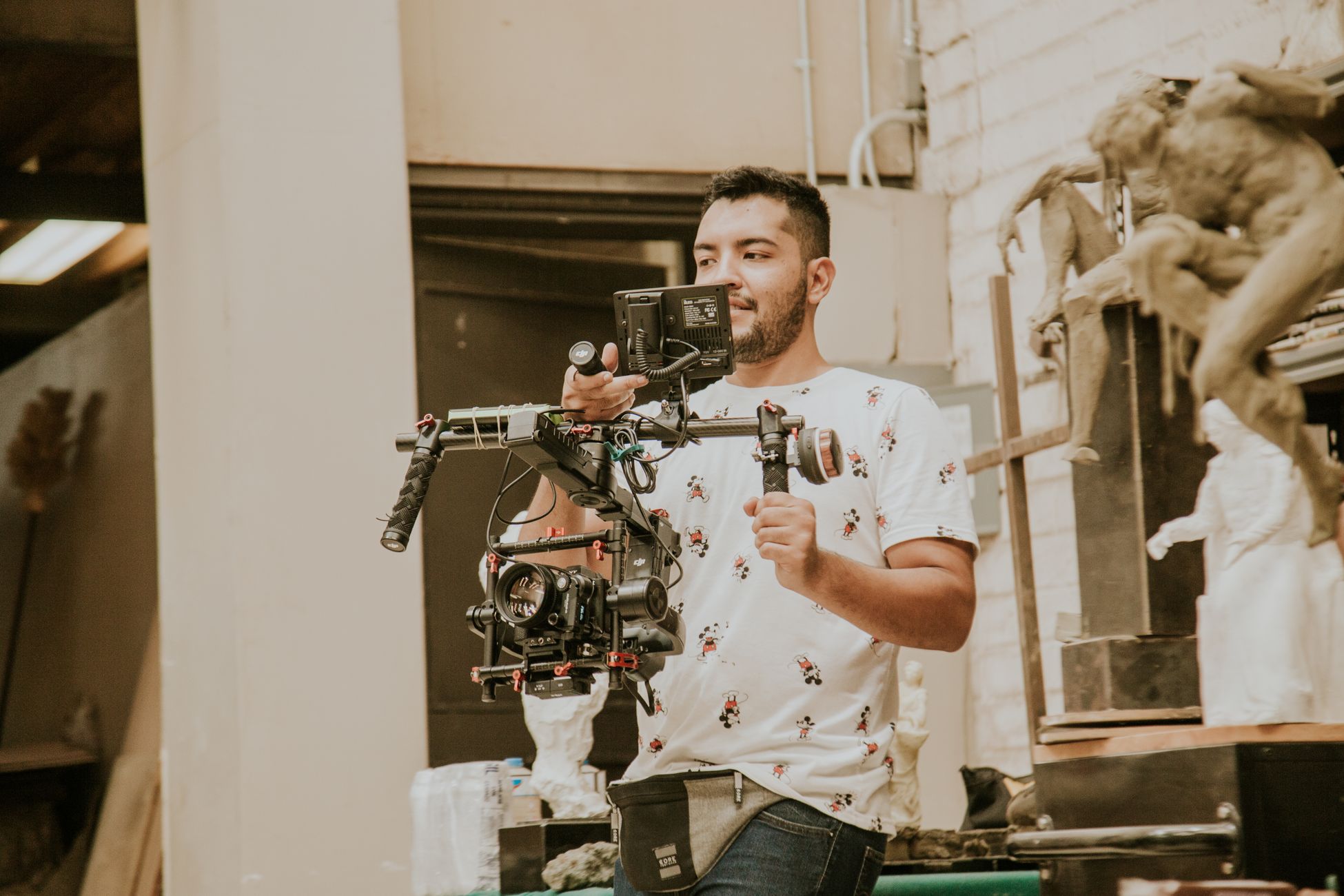
You booked a videographer. You spent a day filming. They delivered a ninety second brand video and an invoice, and that video went on your homepage and to your Instagram, where it did fine.
Somewhere on a drive, or in a shared folder you have not opened since, are four hours of footage that did not make the cut.
That is not scrap. That is the raw material for six months of content, already shot, already lit, already paid for. Most businesses treat it like packaging and throw it out, then complain three weeks later that they have nothing to post.
You Paid For Hours And Kept Ninety Seconds
Run the math on the shoot. Whatever the invoice was, divide it by the ninety seconds you actually use. It is an absurd cost per second of deployed content.
Now divide the same invoice by four hours of usable footage. Suddenly it is one of the cheapest content investments you have ever made, and nothing about the shoot changed. Only what you did afterward.
The delivered edit was scoped to a brand video because that is what you asked for. The videographer was not thinking about your posting calendar. They shot far more than they needed, as every competent shooter does, and then handed you the one thing on the contract.
The rest is sitting there. Ask for it if you do not have it. Most will send the raw files, and going forward you should put it in the agreement before the shoot rather than after.

What Is Actually In Those Four Hours
Every shoot produces the same categories of unused material, and every category is a content type.
There is process footage. Somebody doing the work with the camera close in. That is the most watchable content your business can post and it never makes brand videos because it is not glamorous enough.
There are the takes where somebody said something well but flubbed the ending. Unusable in a polished edit, completely usable as a short where the first eight seconds are all that matters.
There are the between-takes moments. People laughing, adjusting, talking normally. That is the stuff that reads as real, and real outperforms polished on every short-form platform.
There are wide shots and detail shots of your space, your equipment, your products, all of which work as backgrounds for text posts and voiceovers for the next year.
And there is usually an interview or a talking segment that got cut down to two lines in the final video. The full version of that is a long-form piece on its own.
That is not four hours of leftovers. It is a library.
Shoot Days Should Be Scoped For Distribution
Once you understand what happens to the footage, you plan the day differently.
Instead of booking a shoot to produce one video, you book a shoot to produce a quarter of content. Same day, same crew, same cost. You just tell the videographer what you actually need, which is not one polished ninety second piece but forty usable clips.
That means shooting more setups and fewer perfect takes. It means capturing your people talking rather than only capturing the product. It means getting vertical framing as well as horizontal, so the same footage works on TikTok and Instagram Reels without an ugly crop, and on YouTube and Facebook without pillarboxing.
Ask for the vertical. It costs nothing on the day and it is the difference between footage you can use everywhere and footage you can use in one aspect ratio.
The Polished Video Is Not The Best Performer Anyway
Here is the uncomfortable part for anyone who just paid for a production. The ninety second brand video with the music bed and the color grade is usually not your best performing content.
Short-form platforms are hostile to things that look like advertisements. The audience has been trained to scroll past anything with that particular cinematic sheen, because it signals a pitch. The rough clip of a person explaining something, shot on the same day with the same camera, will typically outperform it substantially.
That is not an argument against hiring a videographer. It is an argument for using everything they shot rather than only the piece that looks most like a commercial.
Your homepage needs the polished version. Your feeds need the other four hours.
What To Put In The Next Contract
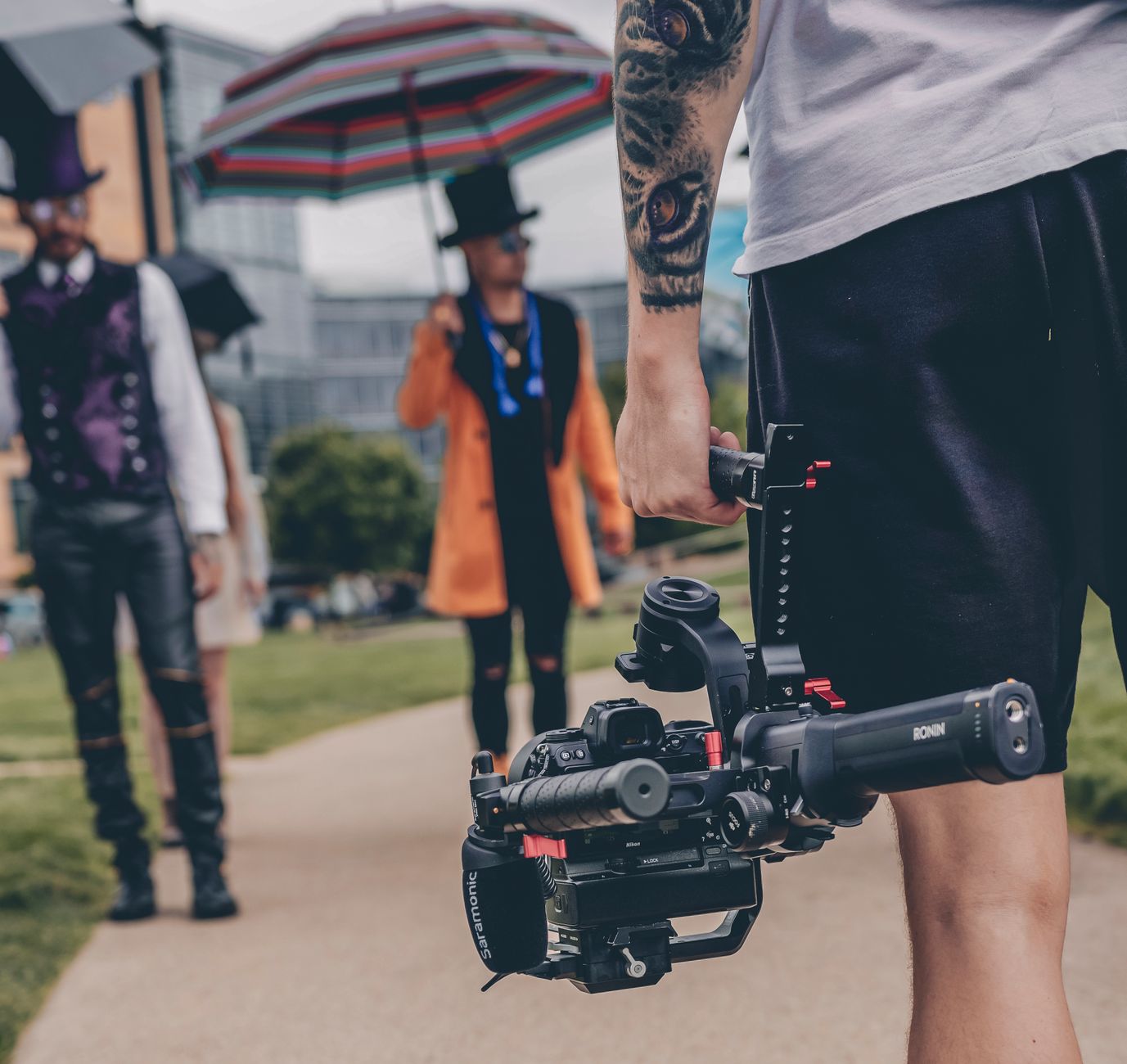
Three lines in the agreement change the entire economics of a shoot day, and videographers will agree to all of them without raising the price much.
You get the raw footage delivered, not just the final edit. Some shooters resist this out of habit or pride in the finished product. Ask anyway, and make it a condition before you book.
You get vertical coverage alongside horizontal on every setup where it is possible. This is a framing decision on the day, not extra work.
You get a set number of short-form cuts as a deliverable, not just the hero video. Even ten is transformative compared to one.
None of that is unreasonable and none of it is expensive relative to the day rate you are already paying. It is the difference between buying a video and buying a quarter of content.
The Drive Is Where Content Goes To Die
Every business has this drive. Old shoot footage, event photos, testimonial recordings, product shots, a folder from an agency you stopped working with. Thousands of dollars of production sitting in cold storage.
Nobody opens it because opening it is the start of a project, not the end of one. Finding the good clips means scrubbing through hours. Then cutting them. Then exporting for four aspect ratios. Then writing captions. Then uploading to seven platforms.
That is the whole reason it stays on the drive. Not because anybody thinks it is worthless, but because the path from footage to published content across every platform is long enough that it never becomes this week's priority.
Businesses that look prolific are not shooting constantly. Many of them shoot two or three times a year and have solved the part after the shoot.
One Shoot, Seven Platforms, Six Months
The workflow that gets value out of a shoot day looks like this. Film with distribution in mind, get all the raw footage, and then have a process that turns it into a steady stream of published posts without you managing it.
Long-form and process pieces to YouTube and Rumble, where they get found through search for years. Short clips to TikTok, Instagram Reels, YouTube Shorts, and Facebook, spaced out over months rather than dumped in a week. Written pieces built from the interview segments to Reddit, where the people who read carefully turn into customers.
One day of filming, spread across 7 or more platforms, running for two quarters. That is a completely different return than a homepage video and one Instagram post.
Multipost Digital handles that side. You shoot. The footage becomes content across every platform your buyers use, without your team scrubbing timelines or managing seven upload flows.

Go Open The Folder
Whatever you shot last, the raw files still exist somewhere. That is money already spent and value never collected.
The next shoot should be planned around what happens after it, not around one deliverable. And the last shoot should be mined before you book another one.
You already paid for the hours. Stop using ninety seconds of them.
