
You're Not Shadow Banned, You're Just Posting on One Platform
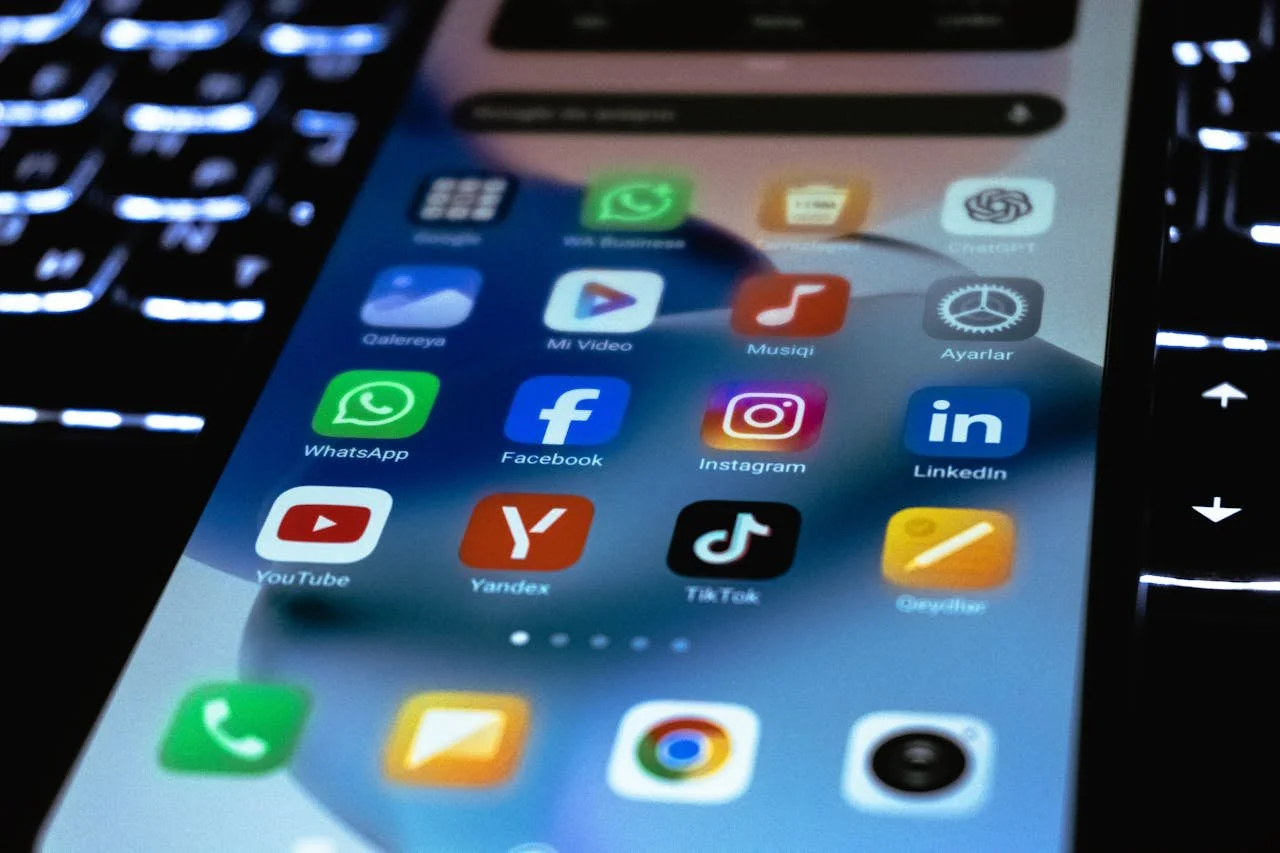
Let's get something straight. If your content feels like it's disappearing into a black hole, if your views have flatlined, if engagement has dropped off a cliff and you're convinced the algorithm has personally decided to bury you, there's a good chance the real problem is simpler than you think. You're not shadow banned. You're not being silenced. You're just pouring everything into one platform and hoping it works out. It won't. Not consistently, and not at scale. If you're ready to stop gambling on a single algorithm and start building real reach, check out how Multipost Digital works here.
The shadow ban theory is appealing because it gives you something to blame. It turns your growth problem into someone else's fault. And look, shadow bans do exist in some form on some platforms. But the vast majority of creators, brands, and business owners who feel invisible aren't being suppressed. They've just built their entire presence on one patch of digital land and are shocked when the weather changes.
This blog is about changing that mindset and giving you a practical path forward.
The One-Platform Trap Is More Common Than You Think
Walk into any conversation with a small business owner or independent creator who's frustrated with their reach, and nine times out of ten they're describing a single-platform problem. They're on Instagram but not TikTok. They're on YouTube but not Rumble. They're posting on Facebook but ignoring Reddit. They've picked their lane and they've committed to it so hard that they've forgotten there are other roads.
Here's what that actually means in practice. When Instagram tweaks its algorithm, your reach tanks. When TikTok changes how it distributes content, your views disappear overnight. When Facebook decides to throttle organic reach for business pages again, and it will, your entire audience strategy collapses. You've essentially handed over the keys to your growth to a single company, a single product team, a single set of engineers who have no idea you exist and no incentive to keep your content alive.
This isn't a pessimistic take. It's just math. The more platforms you're on, the less any single algorithm change can hurt you. The more places your content lives, the more chances it has to find the right person at the right time.
What Actually Happens When You Post Everywhere
Let's talk about what multi-platform posting actually does for your growth, because it's not just about hedging your bets. It's about compounding your results.
When you post a video on TikTok, Instagram Reels, YouTube Shorts, Facebook, and Rumble at the same time, you're not just reaching five different audiences. You're creating five different opportunities for that content to be discovered, shared, saved, and turned into a new follower or customer. Each platform has its own recommendation engine. Each platform surfaces content to people who have never heard of you. Every platform is essentially a search engine in its own right, and your content can show up in those search results for months or even years after you post it.
Reddit is a perfect example. A well-placed post in the right subreddit can send a flood of traffic to your website, your YouTube channel, or your product page. Not because you went viral, but because someone searched for something relevant, found your post, and decided to dig deeper. That kind of organic discovery is impossible if you're not there in the first place.
The same logic applies to Facebook, which still has over three billion monthly active users and an enormous segment of buyers in the 35 to 60 demographic who aren't spending their time on TikTok. It applies to Rumble, which has a loyal audience actively looking for content from creators who aren't dependent on Big Tech platforms. It applies to YouTube, which is the second largest search engine in the world and where content has a longer shelf life than almost anywhere else online.
Posting everywhere is not about spreading yourself thin. It's about letting the same piece of content do more work for you.
You Don't Need to Create More Content, You Need to Distribute Better
Here's where a lot of creators get tripped up. They hear "post on seven platforms" and immediately picture having to film seven different videos, write seven different captions, and manage seven different comment sections every single day. That sounds exhausting. It is exhausting, if you're doing it wrong.
The smarter approach is content repurposing. You create one strong piece of content, a video, a short clip, a written post, a graphic, and you distribute it across multiple platforms in the format that works best for each. Your long YouTube video becomes a YouTube Short. That YouTube Short also lives on TikTok, Instagram Reels, and Facebook. The script from that video becomes a Reddit post or a Facebook caption. Your best-performing TikTok gets cross-posted to Rumble to reach a completely different audience.
This is not about copy-pasting the same thing everywhere and hoping no one notices. It's about understanding that different audiences consume content differently, and your job is to meet them where they are in the format they prefer.
When you get this right, a single content creation session can produce a week's worth of posts across multiple platforms. Your content mileage goes way up, your production time stays the same or even shrinks, and your reach multiplies.

The Consistency Problem Nobody Talks About
Even creators who understand the value of multi-platform posting tend to fall off after a few weeks. Life gets busy. The business needs attention. You miss a few days, then a week, then it's been a month and your accounts look abandoned.
Consistency is the single most underrated factor in social media growth. Algorithms favor accounts that post regularly. Audiences return to creators who show up reliably. The platforms themselves reward consistent posters with better distribution over time. But maintaining that consistency across seven or more platforms while also running your business or your creative work is genuinely hard to do alone.
This is exactly why working with a team that specializes in cross-platform content distribution is such a practical solution for a lot of brands and creators. It removes the bottleneck of having to personally manage every post, every caption, every platform, and every schedule. If you want to see how a done-for-you posting system across 7+ platforms actually works, learn more here.
Your Competition Is Already Doing This
Whether you're a solo creator building a personal brand or a business trying to generate leads and sales through social media, you're competing for attention. And the brands and creators who are winning right now are not winning because they found a secret algorithm hack or paid for fake engagement. They're winning because they show up consistently, in more places, with content that's optimized for each platform.
While you're posting once a week on Instagram and wondering why growth has stalled, someone in your niche is posting daily across six platforms. Their content is getting found on TikTok by people who would never search for it on YouTube. It's getting shared on Reddit by people who don't even use Instagram. It's sitting on Rumble collecting views from an audience that's completely separate from everything else they're doing.
That compounding effect builds real audiences, real trust, and real revenue over time. And it starts with the simple decision to stop concentrating everything in one place.
Start Small, But Start Now
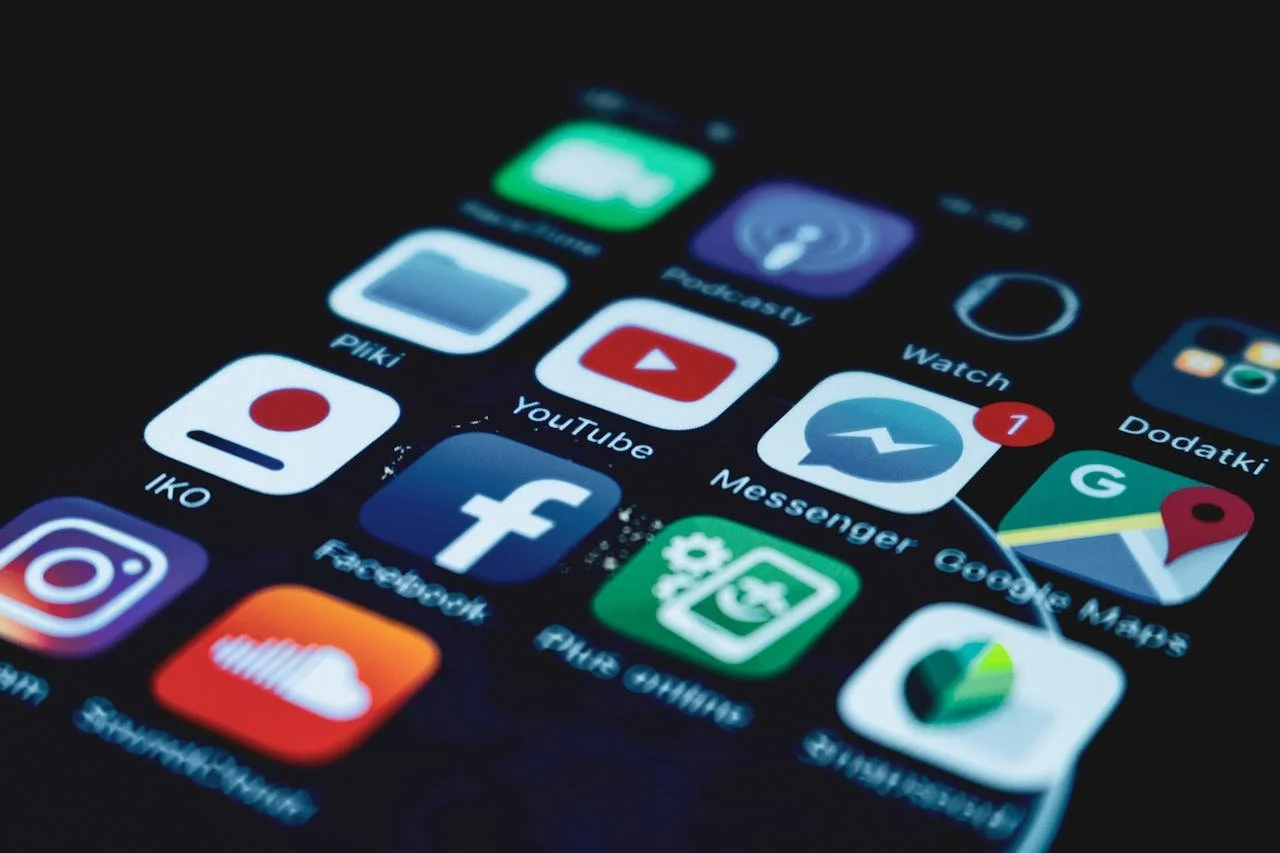
You don't have to overhaul everything overnight. If you're currently only active on one platform, the goal isn't to immediately master seven at once. Start by identifying the two or three platforms where your target audience is most likely to be and commit to repurposing your existing content there. Then expand from there as you build the system.
The important thing is to start treating your content like an asset, something that deserves to be seen by as many relevant people as possible, not just the followers you've already accumulated on a single app. Your content should be working harder than it is. Your reach should be wider than it is. And your dependence on any single platform should be a lot smaller than it is.
If you're tired of putting in the work and feeling like no one sees it, the answer isn't to crack some algorithm code or post at a slightly different time on a Tuesday. The answer is to get your content in front of more people, on more platforms, more consistently.
Stop waiting for one algorithm to save you. Build something that doesn't depend on it.
